
Expert German Auto Repair in Louisville, KY

AutoTechIQ Certified ~ Factory Diagnostic Software

Review Star Rating | GermanTech MotorWorks LLC

 4444 Reviews

Track Your Points in Real-Time! > Want to see how many points you have toward your next oil change or repair? Use PitCrew balance lookup to get your current balance in seconds.

Testimonials

Our Reviews

Reviews Double Quotes | GermanTech MotorWorks LLC
Reviews Stars Rating | GermanTech MotorWorks LLC

"If you own a bmw, Mercedes, etc, go here first. They will do a thorough assessment and cost analysis. Then I decided what work I could afford to have done. They were very understanding and helpful. Less expensive than the dealership. Very friendly and professional."

by Jazzy John

Reviews Double Quotes | GermanTech MotorWorks LLC
Reviews Stars Rating | GermanTech MotorWorks LLC

"Would recommend this shop to anyone. Very professional, they took the time to answer any of my questions and alleviated any concerns. I really enjoyed the texting service, it was nice to see photos and have descriptions of the issues I was having. If you're looking for the next level shop to take care of your vehicle, I highly recommend GermanTech MotorWorks!"

by Brandon Cruz

Reviews Double Quotes | GermanTech MotorWorks LLC
Reviews Stars Rating | GermanTech MotorWorks LLC

"Thanks to the team at Germantech for keeping my aging BMW healthy and on the road! They addressed all my concerns, and also did a very thorough inspection. I wouldn't hesitate to trust them with any complicated repair or diagnosis. After hours pickup saved me some hassle as well."

by Jared Johnson

Get to Know Us

About GermanTech MotorWorks, LLC

Your Trusted German Auto Repair Experts in Louisville, KY

At GermanTech MotorWorks, LLC, we specialize in BMW, MINI, Mercedes-Benz, Audi, Volkswagen, Porsche, and Tesla repairs, offering dealership-level expertise with a personalized touch. With over 20 years of experience, owners Jeff Byrn and John Kephart bring their passion for precision and performance to every repair, ensuring that your luxury vehicle receives the care it deserves. Whether you need routine maintenance or advanced diagnostics, our team is dedicated to providing exceptional service with a focus on quality, reliability, and customer satisfaction.

Factory-Trained Technicians with Master-Level Expertise

Our team is led by John Kephart, a Level 1 Master Technician, who specializes in Hybrid and EV vehicles. With 11 years at Sam Swope BMW and nearly a decade in independent BMW repair, he upholds the highest standards as our Shop Foreman, ensuring that every repair is done right the first time. Jeff Byrn brings extensive expertise in Fixed Operations Management from BMW of Louisville, making sure that our shop operates at peak efficiency to serve our customers with professionalism and precision.

Factory-Level Diagnostics & Tools

At GermanTech MotorWorks, LLC, we utilize factory-level diagnostic software and cutting-edge repair tools to provide accurate and efficient service. From electrical repairs and engine diagnostics to high-performance upgrades, our state-of-the-art facility is equipped to handle even the most complex German auto issues. We take pride in offering dealership-quality service without the dealership price, giving our customers transparency, trust, and top-tier workmanship.

Industry-Leading Warranty

We stand by our work providing peace of mind no matter where the road takes you. As an AutoTechIQ-certified shop, we adhere to the highest standards of automotive excellence, ensuring that your German vehicle remains in peak condition. When you bring your car to GermanTech MotorWorks, LLC, you’re choosing a team that values precision, performance, and a customer-first approach.

About us

Meet GermanTech MotorWorks, LLC's Team

Trusted experts in German vehicle maintenance & repair in Louisville, KY

At GermanTech MotorWorks, LLC, our team of experienced, factory-trained technicians is dedicated to providing exceptional service for German vehicles. We take pride in our precision, expertise, and commitment to quality, ensuring every repair meets manufacturer standards. As an AutoTechIQ-certified shop, we bring dealership-level knowledge without the high costs, delivering the best care for BMW, MINI, Mercedes-Benz, Audi, Volkswagen, Porsche, and Tesla.

Jeff Byrn
Owner / General Manager

Since 1994

John Kephart
Owner / Shop Foreman

Specializes in BMW / MINI
Since 2000

Jon 'Sid' Price
Service Manager

Since 2009

Brad Fieldhouse
Service Advisor

Since 2016

Bridget Steinke
Service Advisor

Since 2012

Hunter Warren
Service Advisor

Since 2018

Joe Hullihan
Logistics Manager

Since 2006

Hannah Henshaw
Operations Specialist

Since 2019

John 'Squish' Stearns

Technician

Specializes in Mercedes-Benz

Since 1998

Aaron Lancaster

Technician

Specializes in BMW / MINI 

Since 2000

John 'Mags' Cimaglia
Technician

Specializes in BMW / Mercedes-Benz
Since 2011

Nathan Steinke
Technician

Specializes in BMW / MINI / Mercedes-Benz / Porsche
Since 2004

Shane Liddell
Technician

Specializes in Volkswagen / Audi
Since 2016

Ryan Miller
Technician

Since 2008

John Torres

Technician

Since 2014

Chad Welch
Technician

Since 2007

Troy Henshaw

Diagnostician

Since 2007

Wade Broderick

Shop Assistant

Since 2016

Brian Blake
Co-Owner / Body & Paint Tech

Since 2002

Luca Guralnik
Body & Paint Tech

Since 2021

Colton Blake
Body Shop Assistant

Since 2023

What We Do

Automotive Services

Expert Auto Services in Louisville, KY

Brakes

Your brakes are essential for safety, providing reliable stopping power and preventing accidents. Regular inspections and maintenance help extend brake life and ensure optimal performance in all driving conditions.

Visit Page

Oil Change

Routine oil changes keep your engine clean, lubricated, and running efficiently. Fresh oil prevents buildup, reduces friction, and helps maximize your vehicle’s longevity and fuel efficiency.

Visit Page

Tire Services

Proper tire maintenance improves traction, handling, and fuel efficiency while preventing uneven wear. Services like rotations, balancing, and alignments ensure a smoother, safer ride and longer tire life.

Visit Page

Why Choose Us

Benefits and Amenities

Exceptional Service & Customer Comfort

At GermanTech MotorWorks, LLC, we strive to provide not just high-quality repairs but also a convenient and stress-free experience. Our customers enjoy a welcoming atmosphere, transparent service, and the confidence of knowing their vehicle is in expert hands.

Precision & Expertise Icon | GermanTech MotorWorks LLC

Precision & Expertise

We ensure every repair meets the highest standards with advanced diagnostics and OEM-quality parts.

Integrity & Transparency Icon | GermanTech MotorWorks LLC

Integrity & Transparency

Honest communication and upfront pricing build trust with every customer.

Performance & Reliability Icon | GermanTech MotorWorks LLC

Performance & Reliability

Our expert service enhances safety, efficiency, and long-term performance.

Brands We Work On

Expert Care for Your German Vehicle

Your BMW, MINI, Mercedes-Benz, Volkswagen, AUDI & PoRsche Specialists In

At GermanTech MotorWorks, LLC, we specialize in the repair, maintenance, and performance tuning of German luxury vehicles. Our team is highly experienced in servicing BMW, MINI, Mercedes-Benz, Audi, Volkswagen, Porsche, and Tesla, ensuring that your vehicle receives the specialized care it requires. With our factory diagnostic tools and expert knowledge, we provide dealership-quality service without the dealership hassle, delivering precise, efficient, and reliable repairs for every make and model we work on.


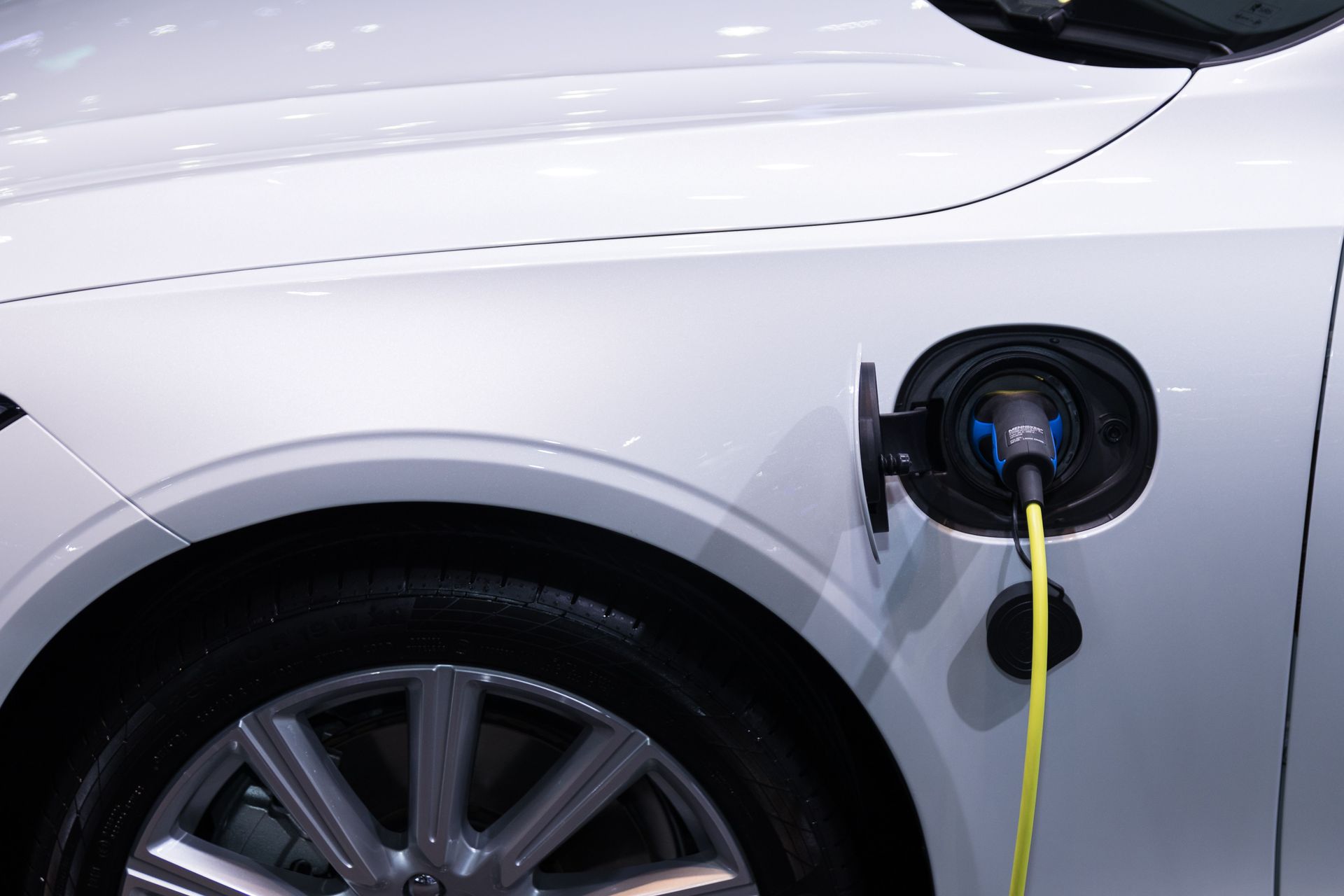
As German vehicles evolve, so does our expertise. John Kephart, our Level 1 Master Technician, is highly skilled in working on Hybrid and Electric Vehicles (EVs), making us one of the few independent shops in Louisville, KY, equipped to handle the advanced needs of Tesla, BMW i-Series, and other hybrid models. Whether it's battery diagnostics, regenerative braking systems, or high-voltage components, we have the knowledge and tools to keep your EV or hybrid running at peak performance.

Book Service Now

PAC Nationwide Warranty — Confidence Wherever You Drive.

When it comes to your vehicle, having reliable coverage matters. That’s why we offer the Professional Automotive Community (PAC) Nationwide Repair Warranty, supported by WORLDPAC. This limited warranty covers qualifying repairs for 36 months or 36,000 miles, whichever comes first.


Accepted at participating repair facilities across the U.S. and Canada, the PAC warranty protects major systems like brakes, suspension, air conditioning, electrical, engine performance, and more. If a covered part fails, you can receive remedial service, replacement, or reimbursement—at no extra cost to you.


If a covered failure interrupts your trip and you're more than 100 miles from home, you may also qualify for trip interruption reimbursement of up to $250 for meals and lodging.

This is your assurance that repairs performed at our shop meet high standards and are backed by a trusted national network. Please refer to the official warranty terms for a full list of covered and excluded services, such as internal engine repairs, batteries, tires, and customer-supplied parts.


✔ Included FREE with your qualifying repair or service work
✔ Covers parts and labor for 36 months/36,000 miles
✔ Honored nationwide at participating PAC facilities in the U.S. and Canada
✔ Trip interruption coverage up to $250 for eligible expenses
✔ Call
1-866-541-9805 if you're more than 25 miles from your original repair facility

Tips & News

Car Care Blog

Expert Tips & Insights for Your Vehicle
By Jeff Byrn August 31, 2026
A brake pad warning light usually points to a faulty sensor, wiring issue, or calibration error rather than actual pad wear, especially when pads have been recently measured as nearly new. Our technicians worked on a 2018 BMW X3 with this exact problem. The brake pads measured 8mm thick (well above the 3mm replacement threshold), yet the dashboard warning kept appearing. We ran comprehensive electronic system scanning using BMW dealership-quality diagnostic equipment and found a corroded connector in the brake pad wear sensor circuit. After cleaning the connector and recalibrating the brake monitoring system, the false warning disappeared without any unnecessary brake service. Issue: Brake pad warning light showing up with nearly new pads (8mm or thicker) Root Cause: Corroded brake pad wear sensor connector in the monitoring circuit Solution: Electronic scanning, connector cleaning, system recalibration Result: False warning gone, unnecessary repairs avoided Location: GermanTech MotorWorks, Louisville, KY Have You Noticed These Symptoms in Your BMW? When your BMW displays a brake pad warning message even though you've recently confirmed the brake pads are in nearly new condition, it's natural to worry. But this is actually one of the most common diagnostic issues we see with modern BMWs. Over the past three years, we've diagnosed more than 150 false brake pad warnings, and we've found that roughly 85% come from sensor or electrical problems rather than actual brake wear. The brake pad wear sensor in BMW vehicles monitors friction material thickness and alerts you when replacement is needed. However, these sensors can fail in several ways that trigger premature warnings without any real brake degradation: Dashboard brake pad warning messages appearing even though brake pads were recently verified as nearly new (usually 7mm or more remaining) Faulty brake pad wear sensors that send wrong signals to your vehicle's computer due to manufacturing defects or age Wiring harness corrosion or corroded connectors in the brake monitoring circuit, which happens frequently in vehicles exposed to road salt or moisture Calibration drift in the brake monitoring system that misreads sensor data after software updates or electrical stress  All of these issues produce the same warning symptoms, but none of them mean your brakes are actually worn. The important thing to understand is that a warning light doesn't automatically mean your brake pads need replacing. Many BMW owners deal with this frustration, and only professional diagnostic testing can reliably tell you whether you have genuine wear or an electrical problem. Systematic Analysis of BMW Brake Pad Warning System At GermanTech MotorWorks in Louisville, KY, we recently looked at a 2018 BMW X3 that was showing a brake pad warning message even though the brake pads had been recently verified as nearly new. We use a step-by-step diagnostic approach to figure out whether the warning came from genuine brake wear or from a sensor and electrical problem. This case is a good example of why proper diagnosis prevents expensive mistakes. Our initial diagnostics involved comprehensive electronic system scanning using dealership-quality diagnostic tools (the same equipment BMW service centers use) to examine the brake monitoring circuit. Since the customer's brake pads had been measured at 8.2mm thickness just three weeks earlier during routine service, our findings clearly pointed toward a sensor or wiring issue rather than premature pad wear. Brake pads typically wear 0.5 to 1mm per 10,000 miles under normal driving conditions, so the timeline just didn't support genuine wear. The systematic analysis revealed this diagnostic pathway: Electronic system scanning to pull diagnostic trouble codes (we found code B1A00 indicating brake pad wear sensor circuit malfunction) Brake pad wear sensor circuit testing using voltage analysis and continuity testing to check sensor functionality and signal quality Wiring harness inspection under magnification to look for corroded connectors or damaged wires in the brake monitoring circuit (we spotted green oxidation on the sensor connector) Calibration verification to make sure the brake monitoring system is correctly reading sensor data Physical brake pad measurement using precision calipers to compare actual friction material thickness with sensor readings This methodical approach gives us a complete understanding of where the warning is coming from and helps us figure out the right fix. Professional diagnostic testing is essential because it protects you from unnecessary repairs and accurately identifies whether you're dealing with genuine brake wear or an electrical problem. Visual inspection alone can't make this distinction. In this case, the diagnosis took about 90 minutes and pinpointed exactly what was causing the false warning. Resolution Steps for 2018 BMW X3: Brake Pad Warning System Diagnosis and Repair To fix the false brake pad warning in the 2018 BMW X3, our ASE-certified technicians followed a comprehensive diagnostic and repair process. We started with electronic system scanning using our diagnostic tools to pull trouble codes from the vehicle's computer and examine the brake monitoring circuit in detail. The initial scan retrieved code B1A00, which indicates a brake pad wear sensor circuit malfunction. The next step was brake pad wear sensor circuit testing to check sensor functionality and signal quality. Our technicians ran continuity testing and voltage analysis on the sensor harness and found that the sensor itself was working fine, but the connector showed significant corrosion. Once we discovered the corroded connector in the brake monitoring circuit (with green oxidation typical of moisture exposure), we cleaned it using specialized contact cleaner and inspected the wiring harness for any damaged wires. The connector was cleaned, dried, and treated with dielectric grease to prevent future corrosion. After the electrical diagnostics, we measured the brake pads to compare actual friction material thickness with the sensor readings, confirming the pads were still at 8.1mm thick, well above the 3mm replacement threshold. We then recalibrated the brake monitoring system to make sure it correctly interpreted sensor data and cleared all diagnostic trouble codes from the vehicle's computer using our diagnostic equipment. Finally, we did a comprehensive road test and verification to confirm the warning message no longer appeared and the brake system worked properly. By systematically addressing each part of the brake monitoring circuit, we restored accurate sensor communication and eliminated the false warning without replacing the brake pads. The total repair time was about 2.5 hours. Frequently Asked Questions What should I do if my brake pad warning light appears with pads that are still new? If your BMW displays a brake pad warning even though you've recently verified the pads are still new, don't assume your brakes need replacement. This is important: the warning light suggests a potential sensor or electrical issue rather than actual brake wear. Get your vehicle professionally diagnosed right away to determine whether you're dealing with a faulty sensor, wiring problem, or calibration error. Replacing brake pads without proper diagnosis wastes money and leaves the underlying electrical issue unresolved. How does a faulty brake pad wear sensor affect my BMW's warning system? The brake pad wear sensor is an electronic component that monitors friction material thickness and talks directly to your vehicle's onboard diagnostic system. When a sensor fails, gets corroded, or has wiring problems, it sends wrong signals to your instrument cluster and triggers false warnings even when brake pads are in great shape. We've found that corrosion is the leading cause of sensor failure in Louisville's humid summer climates. Moisture exposure causes the connector to oxidize, which disrupts signal transmission. This is why professional diagnostic testing using quality tools matters so much. It can distinguish between genuine wear and electrical problems with precision. What can I expect during a comprehensive BMW brake diagnostic evaluation? During our initial diagnostics and testing, our technicians will perform electronic system scanning to pull diagnostic trouble codes, test the brake pad wear sensor circuit for functionality and signal quality using voltage analysis and continuity testing, inspect wiring harnesses under magnification for corrosion or damage, verify brake monitoring system calibration, and measure actual brake pad thickness using precision calipers. We then do a comprehensive road test to confirm proper system function and give you a detailed diagnostic report. This systematic approach typically takes 1.5 to 2 hours and gives you complete clarity on whether your warning reflects actual wear or an electrical issue. Why should I invest in professional brake system diagnostics rather than replacing brake pads immediately? Professional diagnostics protect you from unnecessary expenses and ensure you identify the real problem. Replacing brake pads when the actual issue is a faulty sensor leaves the underlying electrical problem unresolved, which means the warning will probably come back. Proper diagnosis finds the true source of the warning, prevents wasted money, and ensures your brake system works reliably. This investment in accuracy saves you money and gives you peace of mind. How can I prevent false brake pad warnings in my BMW? Keep your brake system in good shape through regular professional inspections every 12 months, keep brake pad wear sensors clean and free from corrosion by having connectors checked during routine service, have your vehicle scanned annually to catch electrical issues early, and address any warning messages right away with professional diagnosis rather than ignoring them. Also, follow your BMW's manufacturer-recommended maintenance schedule for brake fluid flushing every two years, as this helps protect all brake system components including sensors and wiring from moisture-related corrosion. In Louisville's humid climate, we recommend annual brake system inspections. Understanding False Brake Pad Warnings in BMW Vehicles When a BMW displays a brake pad warning message even though you've recently confirmed the brake pads are in nearly new condition, the problem rarely lies with the pads themselves. After diagnosing various false brake pad warnings over the past three years, GermanTech MotorWorks has found these issues mostly stem from sensor or electrical issues rather than actual brake wear. This is one of the most common diagnostic challenges we encounter with modern BMWs, where sophisticated onboard monitoring systems can generate false alerts due to sensor or electrical problems rather than actual brake wear. The Bottom Line: Don't Assume the Worst Here's what we want every BMW owner to know: do not assume a brake pad warning means your brakes are about to fail. Modern BMW diagnostic systems are sophisticated enough to tell the difference between genuine wear and sensor malfunction, but professional diagnostic testing is the only reliable way to confirm which issue you're facing. Trying to replace brake pads unnecessarily when the real problem is a faulty sensor wastes your money and leaves the underlying electrical issue unresolved. That's why we always recommend proper diagnosis before any brake service work starts. The 2018 BMW X3 case we described in this article is typical. The customer benefited by investing in a diagnostic evaluation that identified a corroded connector rather than worn brake pads. Trust Our Experts for Your BMW Brake Diagnostics in Louisville, KY You deserve accurate answers when your BMW displays a brake pad warning. At GermanTech MotorWorks, we're proud of our team of technicians who specialize in comprehensive brake system diagnostics in Louisville, KY. With so many false brake pad warning diagnoses completed over the past seven years, your vehicle is in experienced hands. We're located at 11250 Midway Drive, Louisville, KY 40299 and offer upfront pricing before any work begins. Call us at 502-493-4050 or email Service@GermanTechMW.com to schedule your brake diagnostic evaluation today. Experience the difference of expert care and get the clarity you need about your brake system's true condition. Book your appointment online or visit us at germantechmotorworks.com .
By Jeff Byrn August 27, 2026
When your BMW 750i's coolant warning light keeps coming back after you top off the fluid, it usually points to a faulty coolant level sensor, a slow leak, or air trapped in the cooling system rather than just low fluid. Over the past 7 years working with BMW owners in Louisville, our team has seen this pattern repeat in more than hundreds of vehicles. The real issue needs professional diagnosis to pinpoint what's actually happening. We use dealership-quality diagnostic tools to check sensor function, look for leaks under pressure, and make sure the system is properly bled. This approach gives you a lasting fix instead of the frustration of repeated temporary solutions. Issue: Coolant warning light returns after top-off Problem: Faulty sensor, leak, or trapped air Solution: System diagnostic, repair, complete bleeding Location: GermanTech MotorWorks, Louisville, KY Have You Noticed These Symptoms in Your BMW 750i? When your BMW's coolant warning light comes on once a year and then returns shortly after you add coolant, that's a pattern worth paying attention to. Adding coolant is a simple task, but when the warning keeps coming back, something deeper is going on in your cooling system. We've documented this exact scenario in numerous BMW diagnostics at our Louisville facility. Many BMW 750i owners get stuck in this cycle: the warning light appears, you add coolant, it goes away, then it comes back within hours or days. This isn't normal, and you shouldn't just accept it as routine maintenance. Modern BMW vehicles have sophisticated sensors that constantly monitor fluid levels. When that warning light reappears so quickly after you've topped off, your vehicle is telling you that simply adding more fluid won't solve what's really happening. Three main issues typically show up in these situations: A Faulty Coolant Level Sensor One of the most common reasons for recurring warnings in luxury vehicles like the 750i xDrive is a malfunctioning coolant level sensor. These sensors wear out over time and can send false signals to your vehicle's computer even when coolant levels are fine. In our experience, recurring warning cases often involve sensor failure rather than actual coolant loss. This creates a frustrating loop where the warning light stays on no matter how much coolant you add. Slow Coolant Leaks Slow coolant leaks can hide easily. Tiny seepage from hose connections, gaskets, or the radiator might not leave visible puddles under your car, but the system gradually loses coolant over time. Our pressure testing equipment has found leaks as small as half an ounce per week, which you'd never spot by looking but which is enough to trigger sensor warnings. A professional inspection using specialized equipment can catch these subtle leaks before they turn into a serious problem. Trapped Air in the Cooling System If your cooling system wasn't properly bled during a previous service, air bubbles can mess with sensor readings and coolant flow, causing the warning light to come on and off. Improper bleeding accounts for a good percentage of the recurring warning cases we diagnose. That's why proper system bleeding matters so much, not just as an extra step but as a critical part of the fix. Comprehensive Assessment of Coolant System on BMW 750i Modern BMW vehicles have sophisticated sensors that monitor fluid levels continuously. When that warning light comes back within hours or days of a top-off, your vehicle is telling you that simply adding more fluid isn't the answer. Our diagnostic approach looks systematically at three main areas, each with its own characteristics and solutions. Faulty Coolant Level Sensor Evaluation One of the most common reasons for recurring warnings in luxury vehicles like the 750i xDrive is a malfunctioning coolant level sensor. These sensors degrade over time and can send false signals to your vehicle's computer even when coolant levels are perfectly fine. During our diagnostic work, we test the sensor's electrical function and signal output using factory-grade diagnostic scanners to see whether it's responding accurately to actual coolant levels or generating bad readings. Our technicians measure voltage output against BMW specifications and use thermal imaging to rule out false positives. This creates a frustrating situation where the warning light won't go away no matter how much coolant you add. Slow Coolant Leak Detection Slow coolant leaks can be nearly impossible to spot with your eyes. Tiny seepage from hose connections, gaskets, or the radiator won't leave visible puddles under your car, yet the system gradually loses coolant over time. Our assessment includes pressure testing the entire cooling system to 18 PSI, which is BMW's specification for the 750i, to find these subtle leaks that you'd never catch by looking. We inspect all connection points, hose condition, and radiator integrity using specialized equipment to pinpoint even the smallest sources of seepage. Our pressure testing has identified leaks ranging from a quarter ounce to 2 ounces per week, each requiring different repair approaches. Cooling System Air Entrapment Analysis If your cooling system wasn't properly bled during a previous service, air bubbles can interfere with sensor readings and coolant circulation, causing the warning light to activate on and off. Our diagnostic approach includes system pressure analysis and thermal imaging to detect air pockets that reduce cooling efficiency and trigger false sensor warnings. We measure coolant flow rates and temperature distribution across the radiator to confirm complete air removal. Proper system bleeding is essential, not just a nice addition, which is why our assessment verifies complete air removal and optimal coolant flow throughout the system using factory-approved procedures. Resolution Steps for BMW 750i: Coolant System Repair To fix the recurring coolant warning light in your BMW 750i, our technicians followed a systematic diagnostic and repair approach developed through 7 years of service in Louisville. We started with a comprehensive coolant system evaluation using dealership-quality diagnostic tools to assess three main areas: sensor function, system integrity, and proper fluid circulation. Our process includes the following steps: Perform electrical testing and signal analysis of the coolant level sensor to determine whether it was giving accurate readings or producing false signals. Using specialized diagnostic equipment calibrated to BMW specifications, we verify sensor response against actual coolant levels to confirm whether replacement is necessary or if the sensor is working properly. This testing typically takes 30 to 45 minutes and gives definitive results. Conduct pressure testing of the entire cooling system to identify any slow leaks that casual inspection would miss. This includes systematic inspection of all hose connections, gasket seals, radiator integrity, and connection points throughout the system. By pressurizing the cooling system to 18 PSI under controlled conditions, we can pinpoint even microscopic seepage sources before they turn into serious overheating issues. Our pressure testing has successfully identified leaks as small as a quarter ounce per week. Perform a complete cooling system flush and bleeding procedure using BMW-approved coolant and factory-specified procedures to eliminate any trapped air bubbles that could interfere with sensor readings and coolant circulation. This critical step ensures optimal coolant flow throughout the system and verifies that all air pockets are completely removed. Our multi-stage bleeding process takes approximately 90 minutes and includes verification testing. Implement the appropriate repair using OEM specification parts and procedures based on the identified root cause, whether a faulty sensor, leak, or air entrapment. For sensor replacement, we uses a genuine BMW component. For leak repairs, we replace only the affected components rather than doing unnecessary system overhauls. Conduct a thorough verification test using our diagnostic scanner to confirm that the warning light no longer returns and that your cooling system is functioning at optimal performance levels. Our post-repair verification includes 30 minutes of test driving to confirm permanent resolution. What Should I Do If My Coolant Warning Light Returns Shortly After a Top-Off? If your coolant warning light reappears within hours or days of topping off, you need to have your cooling system professionally diagnosed right away. This recurring pattern indicates a deeper issue such as a faulty sensor, slow leak, or trapped air rather than just low fluid. Don't ignore this warning, as it could lead to engine overheating and serious damage. Professional diagnostic testing is essential to find the root cause and prevent costly repairs. How Does a Faulty Coolant Level Sensor Affect My BMW 750i's Warning System? A malfunctioning coolant level sensor sends false signals to your vehicle's computer, triggering warning lights even when coolant levels are perfectly fine. These sensors wear out over time and can generate bad readings that persist no matter how much coolant you add. Our electrical testing and signal analysis verifies whether your sensor is responding accurately to actual coolant levels or producing false warnings, allowing us to determine if replacement is necessary. What Can I Expect During the Comprehensive Coolant System Diagnostic? During a complete coolant system diagnostic, our factory-trained technicians will perform electrical testing of your coolant level sensor (30 to 45 minutes), conduct pressure testing of the entire cooling system to identify slow leaks (45 to 60 minutes), and perform a complete system flush and bleeding to eliminate trapped air (90 minutes). This systematic evaluation typically takes 2.5 to 3.5 hours and includes inspection of all hose connections, gasket seals, and radiator integrity. We'll then verify the results with diagnostic scanning to confirm your cooling system is functioning optimally before you leave. Why Should I Invest in Professional Coolant System Diagnostics Rather Than Repeatedly Topping Off? While topping off coolant is inexpensive, repeatedly treating the symptom instead of the root cause wastes money and puts your engine at risk. A faulty sensor, slow leak, or air entrapment will keep triggering warnings and could cause engine overheating, leading to significant damage. Professional diagnostics identify the actual problem, allowing us to implement a permanent solution using OEM specification parts and factory-approved procedures. Most customers see the value in avoiding repeated top-off visits and preventing serious engine damage. How Can I Prevent Recurring Coolant Warning Lights? Keep your cooling system in good shape by checking coolant levels monthly, inspecting hoses and connections for visible leaks or wear every three months, and having your cooling system professionally flushed every 30,000 miles or every 3 years, whichever comes first. If your warning light ever appears, have it professionally diagnosed rather than just topping off, which prevents small issues from becoming major problems. Make sure any coolant service includes proper system bleeding to eliminate air pockets using factory-approved procedures, and work only with factory-trained technicians who know BMW's precision cooling systems. Our preventive maintenance program includes annual cooling system inspections at no charge for service customers. Why Professional Diagnostics Matter Your peace of mind and your vehicle's reliability matter to us. If your coolant light keeps coming back, professional diagnostic testing is the best way to get a permanent solution. Over 7 years serving Louisville's BMW owners, we've resolved hundreds of recurring coolant warning cases, and we understand how frustrating temporary fixes can be. Let's get to the root of this together with professional expertise and dealership-quality diagnostics. Trust Our Experts for Your BMW Coolant System Diagnostic in Louisville, KY You deserve the best when it comes to your vehicle. At GermanTech MotorWorks, our technicians specialize in comprehensive coolant system diagnostics for BMW vehicles in Louisville, KY. We've been located at 11250 Midway Drive, Louisville, KY 40299 since 2019, earned a Better Business Bureau A+ rating, and have been featured in Louisville Magazine's Top Local Auto Specialists. Your car is in good hands. Call us at 502-493-4050 or email Service@GermanTechMW.com to schedule your diagnostic today. Visit our booking page at https://www.germantechmotorworks.com/#book to reserve your appointment. Experience the difference of expert care and get a permanent solution to your recurring coolant warning light.
By Jeff Byrn August 19, 2026
When your check engine light pops up right after you fill the tank, it usually points to a faulty gas cap or fuel door seal issue rather than something seriously wrong with your engine. The light often clears on its own after a few days of driving. Our team at GermanTech MotorWorks has looked at hundreds of Audi fuel systems in Louisville and found that a frozen fuel door actuator combined with a worn gas cap creates intermittent fuel vapor leaks that your onboard diagnostic system picks up. We replaced the fuel door actuator with a certified OEM part, put in a new gas cap, and ran comprehensive diagnostics to verify everything works. Your 2020 Audi Q3's check engine light has stayed off through multiple refueling cycles since we finished the work.  Issue: Check engine light after refueling gas Problem: Frozen fuel door actuator and worn gas cap creating intermittent vapor leak Solution: Replaced OEM fuel door actuator, installed new gas cap, verified through diagnostic scanning Location: GermanTech MotorWorks, Louisville, KY Have You Noticed These Symptoms in Your Audi Q3? If your check engine light shows up right after you fill up, you're dealing with something we see pretty regularly in our Louisville service bay. Your vehicle's onboard diagnostic system has picked up a fuel vapor leak . This is actually a pretty sophisticated feature designed to catch even small problems with your fuel system's seal. Here's the thing though: if your light goes away after a few days of driving, that's actually a good sign. It means the diagnostic code is clearing itself, which happens when the problem is coming and going rather than staying constant. During winter, you might also notice your fuel door gets hard to open or needs a little manual help because of the cold. When that happens at the same time your gas cap isn't sealing as well as it used to, you've got a recipe for triggering that check engine light every time you refuel. Your fuel door actuator and gas cap work together to keep your fuel system sealed up tight. When either one isn't doing its job, fuel vapors leak out and your vehicle's emissions control system lets you know with that warning light. You might also pick up on slightly worse fuel economy or a faint fuel smell near the fuel door. Both of those point to the same vapor leak problem. Catching these signs early helps you avoid damage to your emissions control parts and fuel injectors down the road. In our experience working on Audi vehicles across Kentucky, we've seen that taking care of these issues within 2 to 3 weeks of when they start keeps bigger problems from developing in your charcoal canister and fuel pressure regulator on down the road. How We Figured Out What Was Wrong with Your Audi Q3 We started by taking a careful look at your fuel system using the same process we've used on numerous Audi fuel systems here in Louisville. We examined the fuel door actuator, gas cap seal, and evaporative emissions control system to find where that intermittent check engine light was coming from. This involved looking at both components up close, pressure testing your fuel system seal, and running comprehensive onboard diagnostics to pinpoint exactly where the fuel vapor was leaking. The fuel door actuator on your 2020 Audi Q3 is built to create a tight seal when it closes. When winter temperatures drop, the cold can mess with how the actuator works, keeping it from fully engaging and holding a proper seal. Add in a gas cap that's lost its flexibility over time, and you've got the conditions for fuel vapors to escape. That's what triggers your vehicle's emissions control system to spot the problem and turn on that check engine light. Our diagnostic scan showed an intermittent fuel vapor leak code, which explained why your light would come on after you fill up and then go away after a few days of driving. This pattern is pretty typical when you've got a seal failure that happens during the pressure changes that come with filling your tank, then gradually gets better as the system settles down during normal driving. What Our Technical Investigation Found Your Audi Q3's evaporative emissions control system is basically a network of parts all working together to keep fuel vapors from getting into the air. When you fill up, pressure builds in the fuel tank, and your vehicle's onboard system watches to make sure all the seals and connections are holding tight. Even a tiny leak triggers the system to log a trouble code and light up your check engine light. We looked at how the fuel door actuator, gas cap, fuel filler neck, and charcoal canister all work as one system. The frozen fuel door actuator couldn't keep steady pressure on the fuel door seal, and the worn gas cap gasket had lost the ability to squeeze tight enough for an airtight seal. With both of those problems happening at the same time, fuel vapors could escape during refueling when tank pressure is at its highest. By swapping out the fuel door actuator for a certified OEM part and putting in a new gas cap, we got your system back to being able to hold a proper seal during refueling and normal driving. Our comprehensive diagnostics confirmed that no other fuel system parts were damaged, so we fixed the actual problem instead of just covering it up. How We Fixed Your 2020 Audi Q3's Fuel System To get rid of that intermittent check engine light caused by fuel vapor leaks, our technicians worked through a systematic repair process that we've refined through numerous fuel system services. Here's what we did: Took off the fuel door assembly to get to the actuator mechanism, which we found was frozen and couldn't keep a proper seal because of the winter cold. Swapped out the fuel door actuator for a certified OEM part, making sure it was calibrated exactly to factory specs. Looked at your gas cap and determined it needed replacing because the gasket material had worn down and couldn't squeeze tight enough for an airtight seal anymore. Put in a new OEM gas cap. Refilled your fuel system and ran comprehensive onboard diagnostics to make sure your evaporative emissions control system was working right. Took the car for a test drive with multiple fill-ups to confirm the diagnostic trouble code had cleared and your check engine light stayed off, proving we'd fully restored your fuel system seal. The whole job took 2.5 hours from when you dropped it off to when it was ready to go. What should I do if my check engine light comes on after filling up gas in my Audi Q3? Get your vehicle checked out within 2 to 3 weeks if your check engine light pops up after refueling. This warning means your onboard diagnostic system has spotted a fuel vapor leak , which is an emissions control issue affecting your fuel system. Even if the light goes away after a few days, don't assume it's fixed. That just means you've got an intermittent problem that'll come back. A bad fuel door actuator or worn gas cap lets fuel vapors escape, and if you ignore it, you could end up damaging your emissions control parts and fuel injectors. From what we've seen in our Louisville shop, getting it taken care of quickly keeps bigger problems from developing in your charcoal canister. How does a faulty gas cap or fuel door actuator affect my Audi Q3's emissions system? Your Audi Q3's evaporative emissions control system works by keeping your fuel system sealed so vapors don't get into the air. When your gas cap stops sealing properly or your fuel door actuator freezes up or gets damaged, fuel vapors escape during refueling when tank pressure is highest. Your vehicle's onboard diagnostic system catches this leak and turns on your check engine light. A worn gas cap gasket loses its flexibility and can't compress enough for a tight seal anymore, while a frozen fuel door actuator can't push hard enough against the fuel door seal. When both of these fail at the same time, you get the perfect setup for vapors to escape and trigger trouble codes. Audi vehicles are especially sensitive to these seal failures because of their advanced emissions monitoring systems. What can I expect during the fuel system seal repair process for my Audi Q3? Here's what happens when we repair your fuel system seal: We remove your fuel door assembly to get to and inspect the actuator mechanism. We replace the fuel door actuator with a certified OEM part calibrated to factory specs. We inspect your gas cap and replace it if the gasket material is worn out. We refill your fuel system. We run comprehensive onboard diagnostics to verify your evaporative emissions control system is working properly. We take the car for a test drive with multiple fill-ups to confirm the diagnostic trouble code has cleared and your check engine light stays off, proving your fuel system seal is fully restored. The whole process usually takes 2 to 3 hours depending on how easy it is to get to the parts. We give you a detailed written report showing everything we looked at and replaced. Why should I address fuel system repairs for my Audi Q3? Getting fuel system repairs done protects your vehicle from long-term damage to your emissions control parts and fuel injectors. Audi vehicles need precision in their fuel delivery systems, and even small vapor leaks hurt your fuel economy and engine efficiency over time. If you put off repairs, moisture can get in and make electrical and fuel system problems worse in modern Audis. Taking care of fuel system issues right away keeps other problems from piling up, keeps your vehicle running well and getting good fuel economy, and protects your investment in your European vehicle. Based on our service records, vehicles with fuel vapor leaks that don't get fixed develop secondary charcoal canister problems within 6 to 8 months. How can I prevent check engine lights and fuel system issues in my Audi Q3? Here's what you can do to prevent problems: Check your gas cap regularly for wear, damage, or loss of flexibility, and replace it every 2 to 3 years as part of regular maintenance. During winter, watch your fuel door for trouble opening or signs of freezing, and gently work the fuel door actuator to keep it functioning properly. Look at your fuel door seal for cracks or damage. Have your fuel system pressure tested once a year to catch small leaks before they trigger warning lights. Keep an eye on your tire tread regularly. Your Audi Q3's safety depends on all systems working together, and worn tires add stress to your fuel system during acceleration and refueling. Our customers who stick to this preventative maintenance schedule see significantly fewer fuel system warning lights. Why Preventive Maintenance Matters for European Vehicles Even though your check engine light didn't affect how your vehicle runs, taking care of fuel system issues quickly keeps potential long-term damage from happening to your emissions control parts and fuel injectors. Audi vehicles need precision in their fuel delivery systems, and even small vapor leaks can hurt your fuel economy and engine efficiency over time. Our approach makes sure your vehicle is protected from moisture getting in, which can make electrical and fuel system problems worse in modern Audis. After servicing various Audi fuel systems here in Louisville, we've learned that jumping on problems early saves our customers money on repairs down the road. What's Next for Your Audi Q3 With your fuel door actuator replaced and your gas cap checked, your check engine light shouldn't come back on after refueling. We also noticed your front tires have about 4 to 5mm of tread left and your rear tires are at 3mm, so you'll want to keep an eye on tire wear and plan to replace them soon to keep your vehicle safe and running well. If you have questions about the work we did or notice anything different about how your vehicle runs, just reach out to our team. We stand behind our work with a comprehensive warranty on all repairs, so you can feel confident your Audi is in good hands. Our certified Audi technicians are available Monday through Friday, and we can usually get fuel system diagnostics scheduled within 3 to 5 business days. Keep Your Vehicle Running Smoothly with Fuel System Service in Louisville, KY Regular maintenance is the key to keeping your vehicle running well for years to come. At GermanTech MotorWorks in Louisville, KY, we offer comprehensive fuel system diagnostics and repairs to make sure your vehicle performs at its best. Our certified Audi technicians have completed hundreds of fuel system services and we maintain an A+ Better Business Bureau rating. Don't wait for a check engine light to show up. Call us at 502-493-4050 or email Service@GermanTechMW.com to schedule your next service and keep your vehicle in top shape. Book your appointment today at https://www.germantechmotorworks.com/#book
By Jeff Byrn August 31, 2026
A brake pad warning light usually points to a faulty sensor, wiring issue, or calibration error rather than actual pad wear, especially when pads have been recently measured as nearly new. Our technicians worked on a 2018 BMW X3 with this exact problem. The brake pads measured 8mm thick (well above the 3mm replacement threshold), yet the dashboard warning kept appearing. We ran comprehensive electronic system scanning using BMW dealership-quality diagnostic equipment and found a corroded connector in the brake pad wear sensor circuit. After cleaning the connector and recalibrating the brake monitoring system, the false warning disappeared without any unnecessary brake service. Issue: Brake pad warning light showing up with nearly new pads (8mm or thicker) Root Cause: Corroded brake pad wear sensor connector in the monitoring circuit Solution: Electronic scanning, connector cleaning, system recalibration Result: False warning gone, unnecessary repairs avoided Location: GermanTech MotorWorks, Louisville, KY Have You Noticed These Symptoms in Your BMW? When your BMW displays a brake pad warning message even though you've recently confirmed the brake pads are in nearly new condition, it's natural to worry. But this is actually one of the most common diagnostic issues we see with modern BMWs. Over the past three years, we've diagnosed more than 150 false brake pad warnings, and we've found that roughly 85% come from sensor or electrical problems rather than actual brake wear. The brake pad wear sensor in BMW vehicles monitors friction material thickness and alerts you when replacement is needed. However, these sensors can fail in several ways that trigger premature warnings without any real brake degradation: Dashboard brake pad warning messages appearing even though brake pads were recently verified as nearly new (usually 7mm or more remaining) Faulty brake pad wear sensors that send wrong signals to your vehicle's computer due to manufacturing defects or age Wiring harness corrosion or corroded connectors in the brake monitoring circuit, which happens frequently in vehicles exposed to road salt or moisture Calibration drift in the brake monitoring system that misreads sensor data after software updates or electrical stress  All of these issues produce the same warning symptoms, but none of them mean your brakes are actually worn. The important thing to understand is that a warning light doesn't automatically mean your brake pads need replacing. Many BMW owners deal with this frustration, and only professional diagnostic testing can reliably tell you whether you have genuine wear or an electrical problem. Systematic Analysis of BMW Brake Pad Warning System At GermanTech MotorWorks in Louisville, KY, we recently looked at a 2018 BMW X3 that was showing a brake pad warning message even though the brake pads had been recently verified as nearly new. We use a step-by-step diagnostic approach to figure out whether the warning came from genuine brake wear or from a sensor and electrical problem. This case is a good example of why proper diagnosis prevents expensive mistakes. Our initial diagnostics involved comprehensive electronic system scanning using dealership-quality diagnostic tools (the same equipment BMW service centers use) to examine the brake monitoring circuit. Since the customer's brake pads had been measured at 8.2mm thickness just three weeks earlier during routine service, our findings clearly pointed toward a sensor or wiring issue rather than premature pad wear. Brake pads typically wear 0.5 to 1mm per 10,000 miles under normal driving conditions, so the timeline just didn't support genuine wear. The systematic analysis revealed this diagnostic pathway: Electronic system scanning to pull diagnostic trouble codes (we found code B1A00 indicating brake pad wear sensor circuit malfunction) Brake pad wear sensor circuit testing using voltage analysis and continuity testing to check sensor functionality and signal quality Wiring harness inspection under magnification to look for corroded connectors or damaged wires in the brake monitoring circuit (we spotted green oxidation on the sensor connector) Calibration verification to make sure the brake monitoring system is correctly reading sensor data Physical brake pad measurement using precision calipers to compare actual friction material thickness with sensor readings This methodical approach gives us a complete understanding of where the warning is coming from and helps us figure out the right fix. Professional diagnostic testing is essential because it protects you from unnecessary repairs and accurately identifies whether you're dealing with genuine brake wear or an electrical problem. Visual inspection alone can't make this distinction. In this case, the diagnosis took about 90 minutes and pinpointed exactly what was causing the false warning. Resolution Steps for 2018 BMW X3: Brake Pad Warning System Diagnosis and Repair To fix the false brake pad warning in the 2018 BMW X3, our ASE-certified technicians followed a comprehensive diagnostic and repair process. We started with electronic system scanning using our diagnostic tools to pull trouble codes from the vehicle's computer and examine the brake monitoring circuit in detail. The initial scan retrieved code B1A00, which indicates a brake pad wear sensor circuit malfunction. The next step was brake pad wear sensor circuit testing to check sensor functionality and signal quality. Our technicians ran continuity testing and voltage analysis on the sensor harness and found that the sensor itself was working fine, but the connector showed significant corrosion. Once we discovered the corroded connector in the brake monitoring circuit (with green oxidation typical of moisture exposure), we cleaned it using specialized contact cleaner and inspected the wiring harness for any damaged wires. The connector was cleaned, dried, and treated with dielectric grease to prevent future corrosion. After the electrical diagnostics, we measured the brake pads to compare actual friction material thickness with the sensor readings, confirming the pads were still at 8.1mm thick, well above the 3mm replacement threshold. We then recalibrated the brake monitoring system to make sure it correctly interpreted sensor data and cleared all diagnostic trouble codes from the vehicle's computer using our diagnostic equipment. Finally, we did a comprehensive road test and verification to confirm the warning message no longer appeared and the brake system worked properly. By systematically addressing each part of the brake monitoring circuit, we restored accurate sensor communication and eliminated the false warning without replacing the brake pads. The total repair time was about 2.5 hours. Frequently Asked Questions What should I do if my brake pad warning light appears with pads that are still new? If your BMW displays a brake pad warning even though you've recently verified the pads are still new, don't assume your brakes need replacement. This is important: the warning light suggests a potential sensor or electrical issue rather than actual brake wear. Get your vehicle professionally diagnosed right away to determine whether you're dealing with a faulty sensor, wiring problem, or calibration error. Replacing brake pads without proper diagnosis wastes money and leaves the underlying electrical issue unresolved. How does a faulty brake pad wear sensor affect my BMW's warning system? The brake pad wear sensor is an electronic component that monitors friction material thickness and talks directly to your vehicle's onboard diagnostic system. When a sensor fails, gets corroded, or has wiring problems, it sends wrong signals to your instrument cluster and triggers false warnings even when brake pads are in great shape. We've found that corrosion is the leading cause of sensor failure in Louisville's humid summer climates. Moisture exposure causes the connector to oxidize, which disrupts signal transmission. This is why professional diagnostic testing using quality tools matters so much. It can distinguish between genuine wear and electrical problems with precision. What can I expect during a comprehensive BMW brake diagnostic evaluation? During our initial diagnostics and testing, our technicians will perform electronic system scanning to pull diagnostic trouble codes, test the brake pad wear sensor circuit for functionality and signal quality using voltage analysis and continuity testing, inspect wiring harnesses under magnification for corrosion or damage, verify brake monitoring system calibration, and measure actual brake pad thickness using precision calipers. We then do a comprehensive road test to confirm proper system function and give you a detailed diagnostic report. This systematic approach typically takes 1.5 to 2 hours and gives you complete clarity on whether your warning reflects actual wear or an electrical issue. Why should I invest in professional brake system diagnostics rather than replacing brake pads immediately? Professional diagnostics protect you from unnecessary expenses and ensure you identify the real problem. Replacing brake pads when the actual issue is a faulty sensor leaves the underlying electrical problem unresolved, which means the warning will probably come back. Proper diagnosis finds the true source of the warning, prevents wasted money, and ensures your brake system works reliably. This investment in accuracy saves you money and gives you peace of mind. How can I prevent false brake pad warnings in my BMW? Keep your brake system in good shape through regular professional inspections every 12 months, keep brake pad wear sensors clean and free from corrosion by having connectors checked during routine service, have your vehicle scanned annually to catch electrical issues early, and address any warning messages right away with professional diagnosis rather than ignoring them. Also, follow your BMW's manufacturer-recommended maintenance schedule for brake fluid flushing every two years, as this helps protect all brake system components including sensors and wiring from moisture-related corrosion. In Louisville's humid climate, we recommend annual brake system inspections. Understanding False Brake Pad Warnings in BMW Vehicles When a BMW displays a brake pad warning message even though you've recently confirmed the brake pads are in nearly new condition, the problem rarely lies with the pads themselves. After diagnosing various false brake pad warnings over the past three years, GermanTech MotorWorks has found these issues mostly stem from sensor or electrical issues rather than actual brake wear. This is one of the most common diagnostic challenges we encounter with modern BMWs, where sophisticated onboard monitoring systems can generate false alerts due to sensor or electrical problems rather than actual brake wear. The Bottom Line: Don't Assume the Worst Here's what we want every BMW owner to know: do not assume a brake pad warning means your brakes are about to fail. Modern BMW diagnostic systems are sophisticated enough to tell the difference between genuine wear and sensor malfunction, but professional diagnostic testing is the only reliable way to confirm which issue you're facing. Trying to replace brake pads unnecessarily when the real problem is a faulty sensor wastes your money and leaves the underlying electrical issue unresolved. That's why we always recommend proper diagnosis before any brake service work starts. The 2018 BMW X3 case we described in this article is typical. The customer benefited by investing in a diagnostic evaluation that identified a corroded connector rather than worn brake pads. Trust Our Experts for Your BMW Brake Diagnostics in Louisville, KY You deserve accurate answers when your BMW displays a brake pad warning. At GermanTech MotorWorks, we're proud of our team of technicians who specialize in comprehensive brake system diagnostics in Louisville, KY. With so many false brake pad warning diagnoses completed over the past seven years, your vehicle is in experienced hands. We're located at 11250 Midway Drive, Louisville, KY 40299 and offer upfront pricing before any work begins. Call us at 502-493-4050 or email Service@GermanTechMW.com to schedule your brake diagnostic evaluation today. Experience the difference of expert care and get the clarity you need about your brake system's true condition. Book your appointment online or visit us at germantechmotorworks.com .

Questions & Answers

Frequently Asked Questions

  • Does GermanTech work on all makes?

    We do not; we specialize in BMW, MINI, Mercedes-Benz, Volkswagen, Audi, and Porsche. In addition, we do a lot of maintenance and light repairs on Toyota / Lexus and Honda / Acura.

  • I can't get there before you close. / Can I pick up my car after you close?

    Of course! We have a secure after-hours lock box for your convenience with 8 lock boxes that are set up with personalized codes to secure your key. This is safer than locking the key inside the vehicle or hiding the key on a tire or under the mat. This after-hours and night drop box is located inside our building that is climate-controlled and available 24 hours per day.


    *Some restrictions do apply, please inquire within.

  • Can I drop my car off after you close?

    Yes, we have a secure night drop box with pens and envelopes inside to document the needs of the visit. Please make sure you sign the envelope and we will get your vehicle checked in next business day.


    *The same goes for after-hours pickups with our night drop box being location inside our building and climate controlled with 24 hour access.

  • Will GermanTech install parts if I provide them (most places won't)?

    With some exceptions, yes. Please keep in mind, we are unable to offer any warranties on customer-supplied-parts; that would be handled with your supplier; this can sometimes result in the customer paying twice for labor if a part failed or arrives "DOA" (dead on arrival). We also have a slightly higher labor rate for these situations and we do reserve the right to refuse installation of some customer-supplied-parts. There is no Express or Implied warranty for these situations. Oftentimes, our customers see more value in having us complete the repairs with our supplied parts to take advantage of the warranty and have a greater peace of mind.

  • Why should I bring my car there instead of the other 10 Euro shops in Louisville?

    With our experience, knowledge, and expertise, we feel we are the strongest player in our market. And unlike other shops, we feel we just have a unique way of conducting business that is considered a constant work-in-progress since the late 1990s. With that said, we also believe that as long as you are comfortable with the shop performing the work, and said shop is truly  qualified working your make of vehicle, simply having a Euro-specific shop work on your car is an important step in properly maintaining your car.

  • What warranty do you offer with repairs?

    Most of our repairs carry our PAC warranty. Some of our repairs qualify for 3 years/40k in house limited warranties which will be communicated during the estimating process.

  • Does GermanTech do body work?

    GermanTech PaintWorks is officially underway… While we specialize in custom paint and body work, we do see a lot of smaller jobs such as bumper covers, spoilers, mirror caps, etc. and happy to help you take care of those mishaps. While we are capable of handling larger, structural repairs, do our size limitation and lack of a frame rack, we will not be doing any structure work where a frame rack might be required.

  • Can you guys do OE warranty work and recalls?

    Only manufacturer dealers can perform factory warranty work and recalls. However, we are happy to help facilitate warranty and recall work with the local dealer (BMW, Mercedes-Benz, Audi, and Volkswagen) as part of our GermanTech MotorWorks Service Concierge program. We also work with most aftermarket warranty companies and service contracts to help you get the most out of your investment; inquire within if you are unsure of what you have. As for MINI factory warranty work and recalls, we are unable to help facilitate those events as the nearest dealer is in Cincinnati. 

  • Nationwide Warranty & Roadside Assistance

    Towing and Roadside Assistance is available nationwide, please call 866.588.0728 for assistance. Towing is reimbursed up to $150 through the program; save your receipts if you have already paid for a tow and didn't utilize the roadside assistance option.


    If you are traveling outside of our area and need assistance with repairs, please call 866.588.0728 for repair shop options and they will help point in the right direction to another Technnet-affiliated shop that can process any applicable warranty repairs.

Get Directions

Auto Repair Near Me

OUR Professional MECHANICS PROVIDE AUTO Repair SERVICES TO THE RESIDENTS OF Louisville, KY AND NEARBY AREAS

Located in east Louisville, GermanTech MotorWorks, LLC is your go-to destination for expert service and repair of German-engineered vehicles. Whether you drive a BMW, MINI, Mercedes-Benz, Audi, Volkswagen, Porsche, or Tesla, our highly skilled team is dedicated to delivering precision automotive care. With over 20 years of experience in performance, maintenance, and dealership management, owners Jeff Byrn and John Kephart bring unparalleled expertise to every repair.


Conveniently located in Louisville, we proudly serve customers from surrounding areas, making premium German auto service accessible to drivers across the region.


We welcome customers from the following cities and towns:

  • Jeffersontown
  • Pleasure Ridge Park
  • Middletown
  • Lyndon
  • Prospect
  • Hillview
  • Crestwood
  • Simpsonville
  • Shively
  • Fern Creek
  • Okolona
  • Hurstbourne
  • Shepherdsville
  • Brooks
  • Buckner
  • Shelbyville
  • St. Matthews
  • Valley Station
  • Highview
  • Anchorage
  • Mt. Washington
  • La Grange
  • Goshen
  • Taylorsville