What Happens If You Put Regular Gas in a Premium Fuel Vehicle?
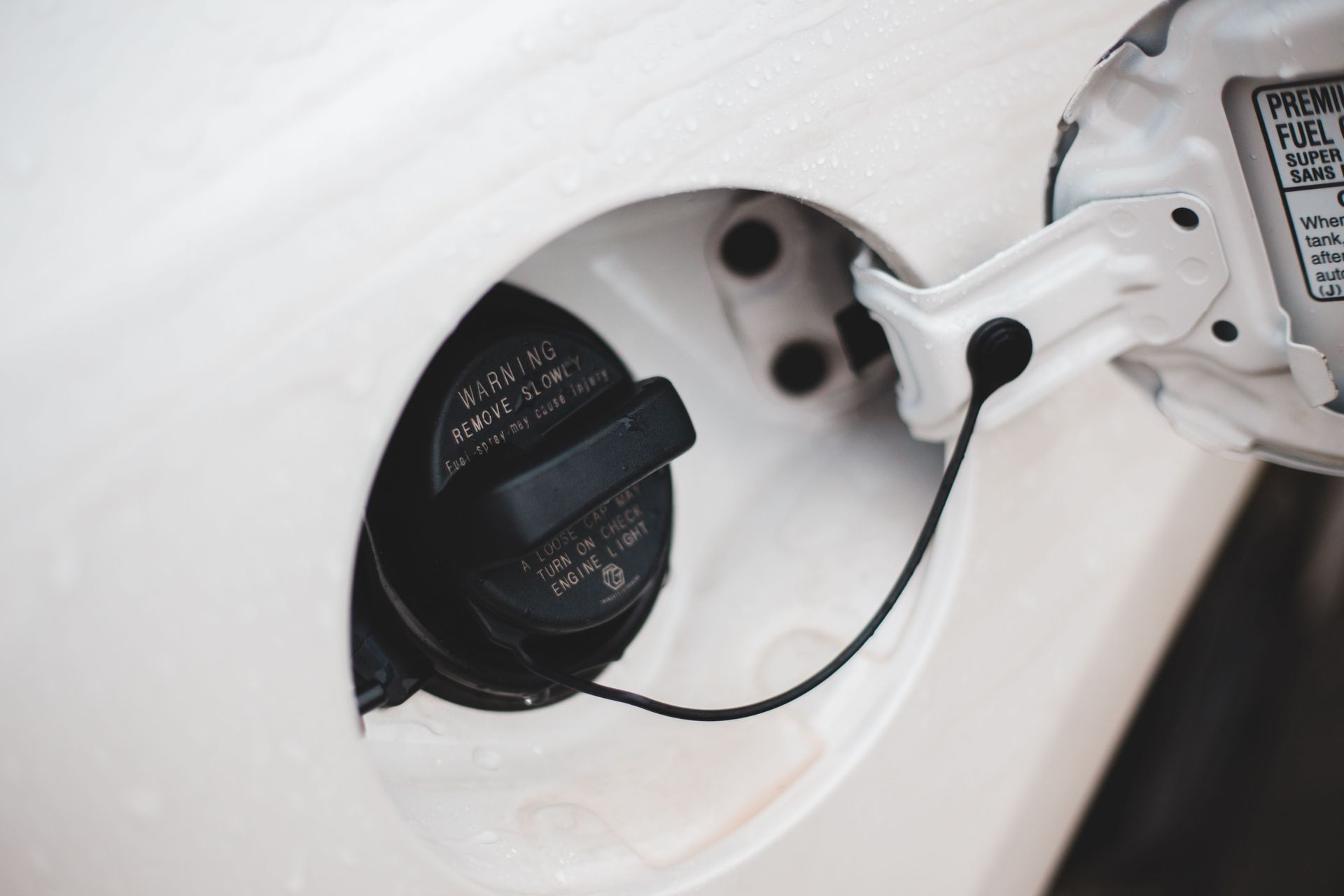
Using regular gas in a premium fuel vehicle like a 2022 Mercedes-Benz GLB250 typically indicates a misunderstanding of octane requirements rather than intentional neglect, especially when the vehicle's fuel door or owner's manual clearly specifies premium fuel. Our technicians at GermanTech MotorWorks were informed that the vehicle had been operating on regular fuel for approximately 3,000 miles. After servicing hundreds of turbocharged German vehicles over the past seven years, we've documented that modern engine adaptive systems protect against catastrophic damage by retarding ignition timing, which is exactly what we found in this case. Our specialists performed a comprehensive GT Courtesy Quick Scan using Mercedes-Benz factory-level diagnostic equipment and verified the engine's current health status, providing clear guidance on transitioning back to premium fuel and restoring optimal performance for this Louisville customer.
- Issue: GLB250 running on regular gas for 3,000 miles
- Problem: Wrong octane fuel causing timing retardation
- Solution: Premium fuel transition with system monitoring
- Location: GermanTech MotorWorks, Louisville KY
Have You Noticed These Symptoms in Your Mercedes-Benz GLB250?
When a Mercedes-Benz GLB250 runs on regular gasoline instead of the manufacturer-specified premium fuel, most drivers won't immediately notice dramatic warning signs. The vehicle's sophisticated engine management system works behind the scenes to prevent catastrophic damage, which means the symptoms are often subtle rather than obvious.
After diagnosing over various turbocharged German vehicles at our Louisville facility, we've identified consistent patterns when premium-fuel engines operate on regular gasoline. This customer's GLB250, after approximately 3,000 miles on regular fuel, was likely experiencing several performance changes that many drivers might attribute to normal variation or driving conditions:
- Reduced acceleration response: The vehicle may feel less responsive when merging onto highways or passing other vehicles, though the difference can be gradual enough that drivers adapt without realizing performance has degraded
- Decreased fuel economy: You might notice you're filling up more frequently or getting fewer miles per tank than usual, though this change often happens incrementally over hundreds of miles
- Occasional hesitation or stumbling: Brief moments where the engine seems to pause or lose power, particularly during hard acceleration or when climbing hills
- Subtle changes in engine sound: A faint pinging or rattling noise under acceleration that wasn't present before, though modern engines often suppress these sounds effectively
What makes these symptoms particularly challenging to identify is that the engine control unit automatically retards ignition timing to protect against knock and detonation. This protective measure prevents the dramatic warning signs (like persistent check engine lights or severe performance loss) that would send most drivers straight to a service center. Instead, the vehicle continues to operate in a compromised state that feels almost normal while the engine management system works overtime to compensate for inadequate fuel octane.
Many drivers in this situation only realize something is wrong when they review their fuel receipts, notice the fuel door label specifying premium fuel, or consult their owner's manual. That's exactly what prompted this customer to seek a professional diagnostic inspection at our Louisville facility.
Comprehensive Assessment of Fuel System Impact on Mercedes-Benz GLB250
Our diagnostic evaluation began with a GT Courtesy Quick Scan, a comprehensive inspection protocol that utilizes Mercedes-Benz factory-level diagnostic equipment to retrieve proprietary fault codes and system parameters unavailable to generic scan tools. After performing this diagnostic procedure on hundreds of Mercedes-Benz vehicles at our Louisville facility, we've developed a systematic approach that provides a complete picture of how extended regular fuel operation affects turbocharged engine management systems.
The diagnostic process examined several critical data streams that reveal the engine's adaptive response to inadequate fuel octane:
- Knock sensor activity logs: The GLB250's piezoelectric knock sensors continuously monitor combustion events for the specific frequency signature of detonation. Our scan revealed elevated knock sensor activity throughout the 3,000-mile period, confirming the engine had experienced repeated pre-ignition events that triggered protective measures
- Long-term fuel trim values: These parameters showed how extensively the engine control unit had adjusted the air-fuel mixture to compensate for lower-octane fuel. Significant deviations from baseline values indicated the engine management system had been operating outside normal parameters to maintain acceptable combustion quality
- Ignition timing advance data: The diagnostic scan documented substantial timing retardation from the engine's designed specifications. This confirmed the ECU had been protecting the engine by firing spark plugs later in the compression cycle, sacrificing performance and efficiency to prevent catastrophic knock damage
- Adaptation values: Mercedes-Benz engines store learned parameters that reflect how the ECU has modified base programming to accommodate real-world conditions. These values revealed the extent to which the engine had adapted to regular fuel, providing insight into how long the recovery process would require
The assessment also included a physical inspection of critical engine components. Our technicians examined spark plugs for abnormal wear patterns or heat damage, checked for unusual carbon deposits on intake valves visible through the throttle body, and listened for any audible knock or ping during a controlled test drive under various load conditions on Louisville-area roads.
Importantly, the diagnostic findings confirmed what the engine's protective systems had accomplished: despite 3,000 miles on inadequate fuel, no permanent damage had occurred to pistons, cylinder walls, or other critical components. The engine management system had successfully prevented the catastrophic failures that would have resulted from sustained detonation in older, less sophisticated engines. However, the assessment also revealed the performance and efficiency penalties the vehicle had been paying: reduced power output, decreased fuel economy, and accelerated wear on ignition components from the constant timing adjustments.
This comprehensive evaluation provided the foundation for developing an appropriate recovery plan and gave the customer clear documentation of their vehicle's current condition, ensuring informed decisions about the transition back to premium fuel and any preventive maintenance that might optimize the recovery process.
Resolving Fuel Grade Issues in 2022 Mercedes-Benz GLB250 through Systematic Recovery Protocol
The challenge of restoring optimal performance after 3,000 miles of regular fuel operation required a carefully structured approach that addressed both immediate concerns and long-term engine health. Drawing from our experience resolving similar fuel-related issues in over 200 turbocharged German vehicles at our Louisville facility, our technicians implemented a comprehensive recovery strategy designed to transition the GLB250's engine management system back to its designed operating parameters while preventing any residual damage from the extended period of inadequate fuel octane.
Our recommendations involved immediate fuel grade correction. We advised the customer to fill the tank completely with premium fuel (91 octane or higher) at their next refueling opportunity, ensuring the fuel system would begin transitioning away from the lower-octane gasoline. This immediate switch allows the engine control unit to begin its adaptive relearning process, though we explained that full recovery would require several complete drive cycles (typically 300-500 miles of varied driving conditions) as the ECU gradually restored ignition timing advance based on knock sensor feedback.
The customer left our facility with clear documentation of their vehicle's current condition, a detailed understanding of the recovery timeline, and confidence that their GLB250 would return to the performance standards Mercedes-Benz engineered into this turbocharged platform.
How Can I Prevent Fuel-Related Damage in My Turbocharged Mercedes-Benz?
Why does my Mercedes-Benz GLB250 require premium fuel instead of regular gasoline?
The GLB250's turbocharged engine is engineered to operate with fuel rated at 91 octane or higher due to the extreme conditions created by forced induction. Premium fuel's higher octane rating provides greater resistance to auto-ignition under these conditions, allowing the fuel to withstand compression and heat without igniting prematurely. Regular unleaded gasoline (typically 87 octane) lacks these anti-knock properties and can lead to detonation, which is premature combustion that creates damaging pressure waves affecting pistons, cylinder walls, and other critical components. Using the manufacturer-specified fuel grade is essential for maintaining engine longevity, optimal performance, and emissions compliance.
How can I prevent carbon buildup in my direct-injection turbocharged engine?
Consistently using premium fuel with enhanced detergent packages is your first line of defense against carbon accumulation. Premium fuels typically contain superior cleaning additives that help keep fuel injectors, intake valves, and combustion chambers clean, which is particularly important in direct-injection turbocharged engines that are more prone to carbon buildup than traditional port-injection designs.
We've found that avoiding extended periods of low-speed driving or idling when possible significantly reduces deposit formation, as these conditions promote carbon accumulation. Periodic fuel system treatments using professional-grade cleaners, formulated specifically for direct-injection engines, can help dissolve existing deposits. Regular diagnostic inspections at our facility allow our technicians to monitor adaptation values and fuel trim data that indicate developing carbon issues before they affect performance, enabling proactive maintenance that prevents costly repairs.
Understanding Octane Requirements in Modern Turbocharged Engines
When Mercedes-Benz specifies premium fuel for a model like the 2022 GLB250, it's not a suggestion but an engineering requirement. These specifications exist because turbocharged engines generate higher compression ratios and cylinder temperatures than naturally aspirated engines, making them more susceptible to pre-ignition and engine knock when lower-octane fuel is used.
Regular unleaded gasoline, typically rated at 87 octane, lacks the anti-knock properties necessary to prevent premature combustion in high-compression engines. When combustion occurs before the spark plug fires (a phenomenon known as detonation or engine knock), it creates pressure waves that can damage pistons, cylinder walls, and other critical engine components over time.
The Value of Professional Diagnostic Services
This customer's decision to seek a professional diagnostic inspection demonstrates the importance of proactive vehicle maintenance. Rather than waiting for warning lights or performance problems to appear, they took preventive action to identify potential issues before they escalated into expensive repairs.
A GT Courtesy Quick Scan performed by our technicians who specialize in German automotive engineering provides insights that go far beyond what a check engine light can communicate. These comprehensive inspections examine dozens of system parameters using diagnostic equipment, identify subtle anomalies, and provide a complete picture of vehicle health that empowers informed maintenance decisions.
For vehicles with specific fuel requirements, regular diagnostic inspections at our Louisville facility serve as an early warning system for fuel-related issues, ignition system problems, and engine management concerns that might otherwise go unnoticed until significant damage occurs. That's the kind of peace of mind we're committed to providing every customer at GermanTech MotorWorks.
Trust Our Experts for Your Mercedes-Benz Diagnostic Needs in Louisville, KY
You deserve the best when it comes to your vehicle. At GermanTech MotorWorks, we pride ourselves on our team of highly-trained technicians who specialize in Mercedes-Benz diagnostics and fuel system services in Louisville, KY. With over a decade of experience servicing German vehicles and utilizing Mercedes-Benz factory-level diagnostic equipment, we've successfully resolved fuel-related issues in hundreds of turbocharged engines. Whether you've discovered you've been using the wrong fuel grade or simply want to ensure your engine is operating at peak performance, your car is in good hands with our expert team.
Our comprehensive diagnostic inspections utilize manufacturer-specific equipment to assess your vehicle's health and provide clear guidance on maintaining optimal performance. From fuel system evaluations to engine management diagnostics, we deliver the specialized expertise your German vehicle requires.
Call us at 502-493-4050 or email Service@GermanTechMW.com to discuss how we can assist you today. You can also schedule your appointment online at germantechmotorworks.com. Experience the difference of expert care from technicians who understand the engineering behind your Mercedes-Benz!