Common Electrical Problems in European Cars
European vehicles are known for their advanced engineering, precision handling, and cutting-edge technology, but with that sophistication comes a higher reliance on complex electrical systems. From engine performance to safety features and infotainment, nearly every function in a modern European car depends on electronics working seamlessly together. When something goes wrong, even a minor electrical issue can impact drivability, reliability, and overall performance. Understanding common electrical problems and addressing them early is essential to keeping your vehicle operating at its best.
Why Electrical Systems Matter in European Vehicles
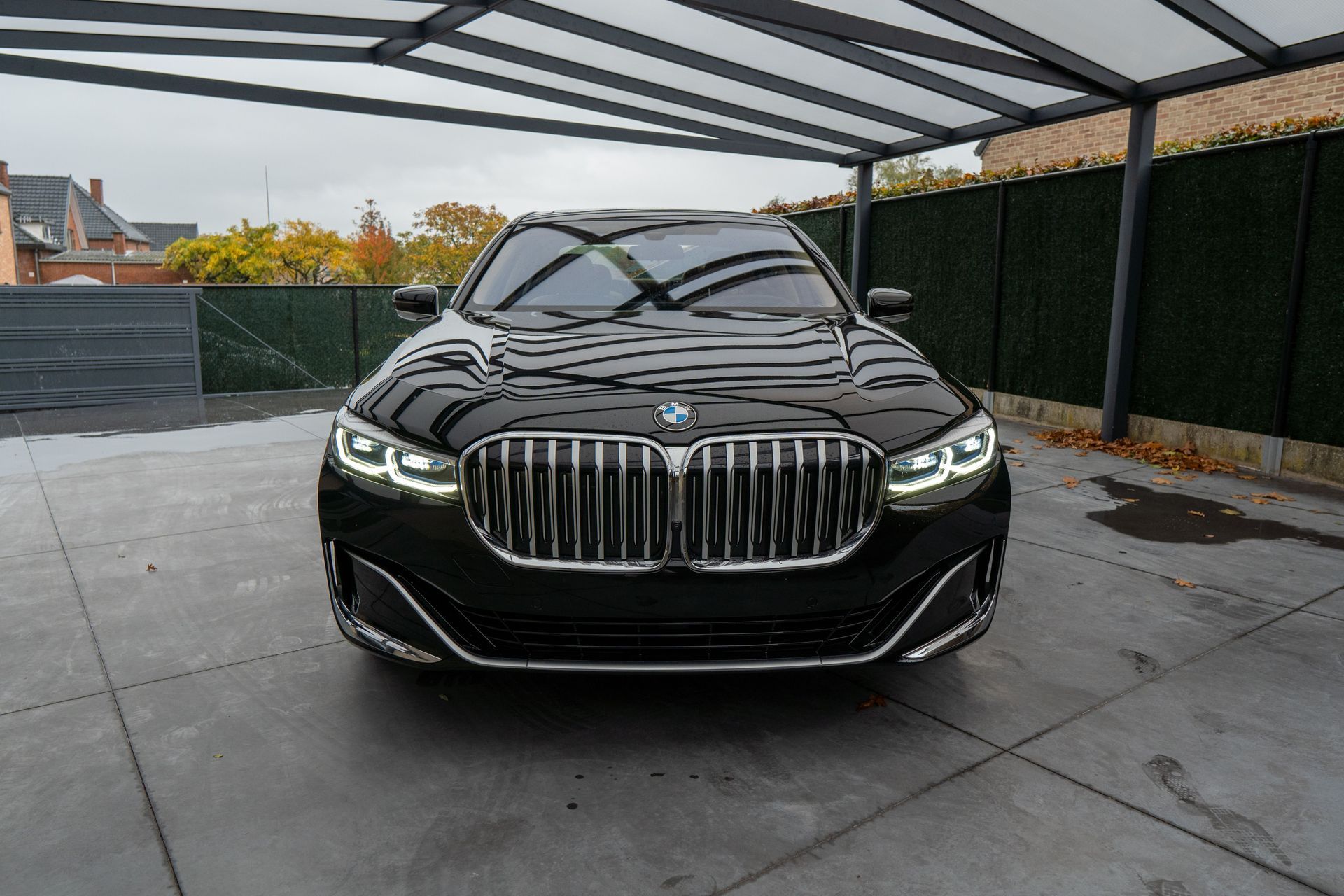
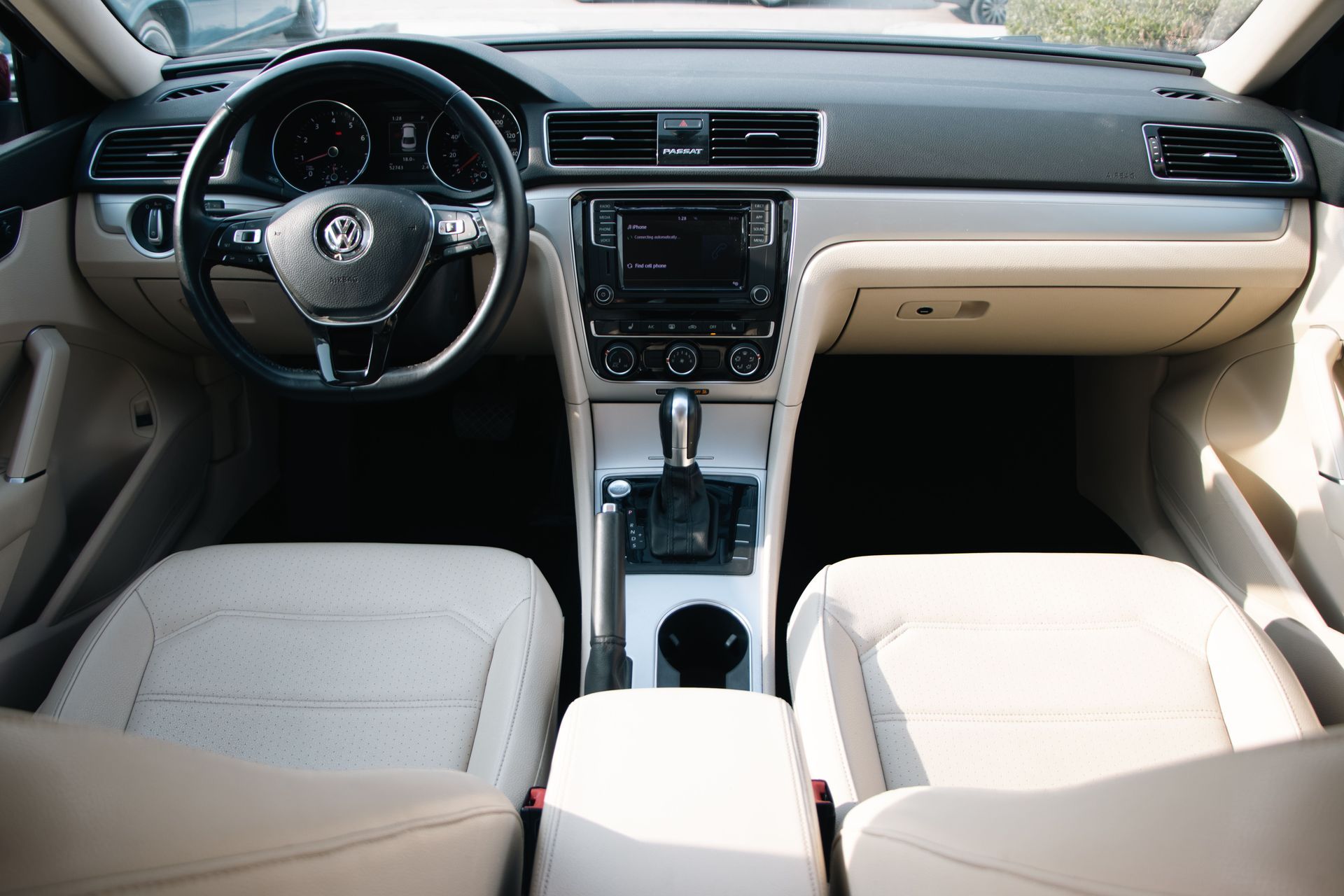
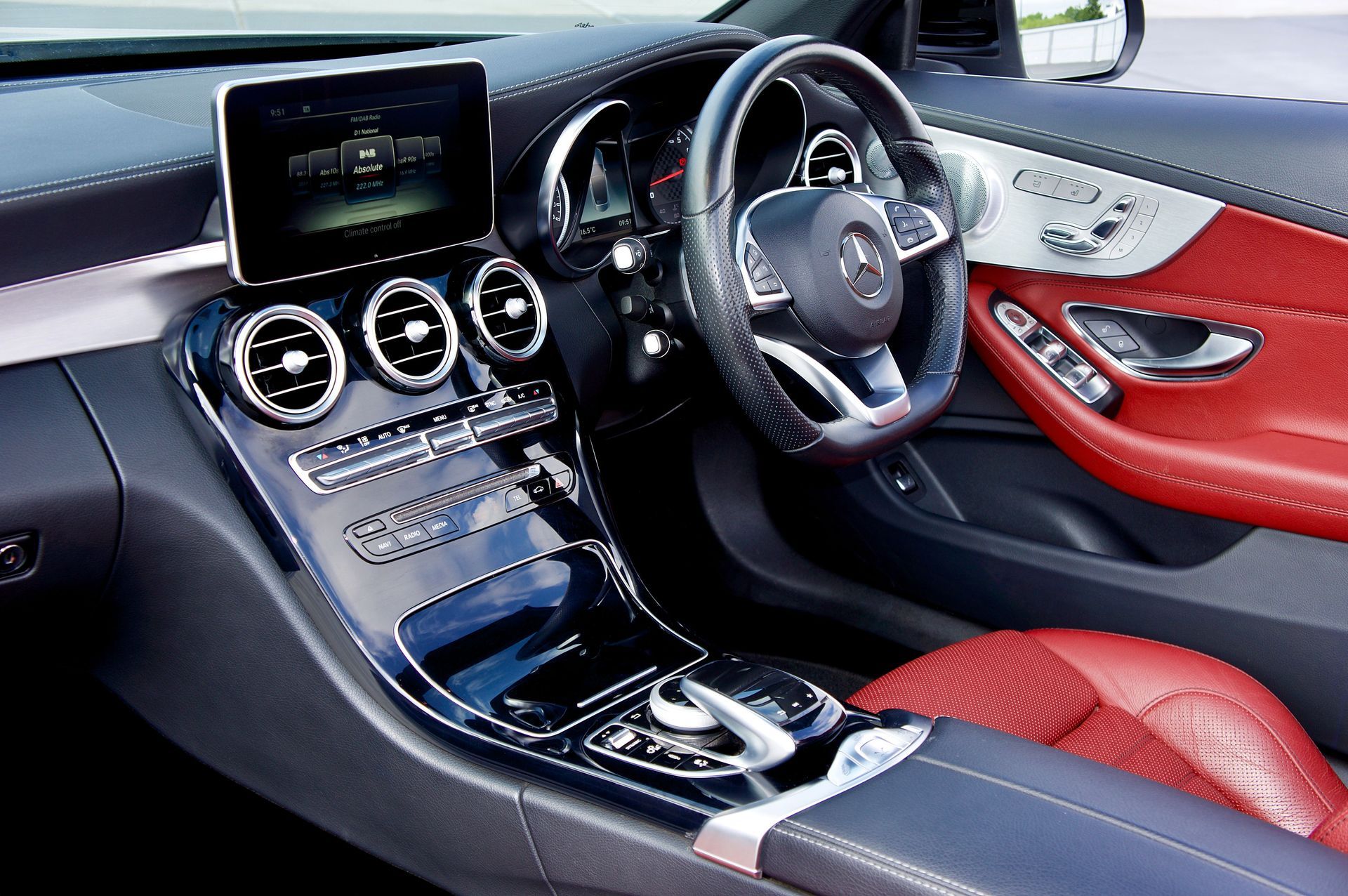
Modern European cars rely heavily on interconnected control modules and sensors to manage critical systems. Brands like BMW, Mercedes-Benz, Audi, and Volkswagen utilize multiple electronic control units (ECUs) that constantly communicate to optimize performance and efficiency. While this technology enhances the driving experience, it also means that even small electrical faults can trigger warning lights or affect multiple systems at once.
Battery Failures and Power Issues
Battery problems are among the most common electrical concerns in European vehicles. These cars often require high-performance batteries to support advanced electronics and start-stop systems. Over time, batteries can weaken due to age, heat, or increased electrical demand.
Common warning signs include slow engine cranking, dim lighting, dashboard alerts, or difficulty starting the vehicle. A failing battery can also cause irregular electronic behavior, such as glitching displays or inconsistent system performance. Regular battery testing and timely replacement are key to avoiding unexpected issues.
Sensor Failures and Performance Problems
Sensors are essential for monitoring engine performance, fuel efficiency, braking, and emissions. When a sensor fails or provides incorrect data, it can disrupt multiple systems simultaneously.
Drivers may notice symptoms like a check engine light, rough idling, decreased fuel efficiency, or reduced power. For example, a faulty oxygen sensor can impact fuel mixture, while a malfunctioning ABS sensor can affect braking safety. Because sensors are tied to multiple systems, proper diagnostics are critical for accurate repairs.
Control Module Malfunctions
Control modules act as the central processors for various vehicle functions, including engine timing, transmission operation, and climate control. When a module fails or loses communication with other components, it can lead to widespread system issues.
Signs of module problems include warning lights, unresponsive features, or systems that stop functioning altogether. In some cases, modules may require reprogramming or software updates rather than full replacement. Addressing these issues early helps prevent further complications.
Wiring and Connection Issues
Wiring problems are another frequent cause of electrical failures. Over time, wires and connectors can degrade due to heat, vibration, or corrosion. Even a minor connection issue can interrupt electrical signals and create intermittent problems.
Symptoms may include flickering lights, malfunctioning accessories, or systems that work inconsistently. Because wiring issues can be difficult to trace, professional diagnostics are often necessary to identify and resolve the root cause.
Alternator and Charging System Problems
The alternator is responsible for supplying power and keeping the battery charged while the engine runs. When it begins to fail, the vehicle may gradually lose electrical power.
Warning signs include dim headlights, slow or failing electronics, or a battery warning light on the dashboard. If left unaddressed, alternator issues can lead to a complete loss of power. Routine inspections help ensure the charging system remains reliable.
Warning Lights and Early Detection
European vehicles are equipped with advanced diagnostic systems that alert drivers to potential issues. While it may be tempting to ignore a warning light if the car still seems to run fine, these alerts often indicate underlying electrical problems.
A single warning light can be connected to multiple systems, making professional diagnostics essential. Identifying issues early can prevent minor concerns from turning into costly repairs.
Why Early Repairs Are Essential
Electrical problems rarely resolve on their own and often worsen over time. Addressing issues early helps prevent damage to related components, reduces repair costs, and minimizes downtime.
Because European vehicles rely on complex electronic networks, accurate diagnosis is critical. Specialized tools allow technicians to pinpoint issues quickly and perform precise repairs, ensuring long-term reliability.
Trust Experts for European Electrical Repairs
Not all repair shops are equipped to handle the complexities of European electrical systems. These vehicles require specialized knowledge, diagnostic equipment, and experience to properly diagnose and repair issues.
Choosing a German car shop in Louisville, KY ensures repairs are done correctly and efficiently. This helps maintain performance, safety, and the overall integrity of your vehicle.
Keep Your European Vehicle Running Strong
Electrical systems play a vital role in your vehicle’s performance, comfort, and safety. From batteries and sensors to modules and wiring, every component must function properly to keep your car running smoothly. By recognizing early warning signs and staying proactive with maintenance, you can avoid costly repairs and extend the life of your vehicle.
If you’re experiencing electrical issues or dashboard warning lights, don’t wait for the problem to get worse. Call Germantech Motorworks today or
book your appointment online for
expert electrical repairs in Louisville designed to keep your European vehicle performing at its best.