How to Fix Dimming Halo Rings in Your BMW 540i
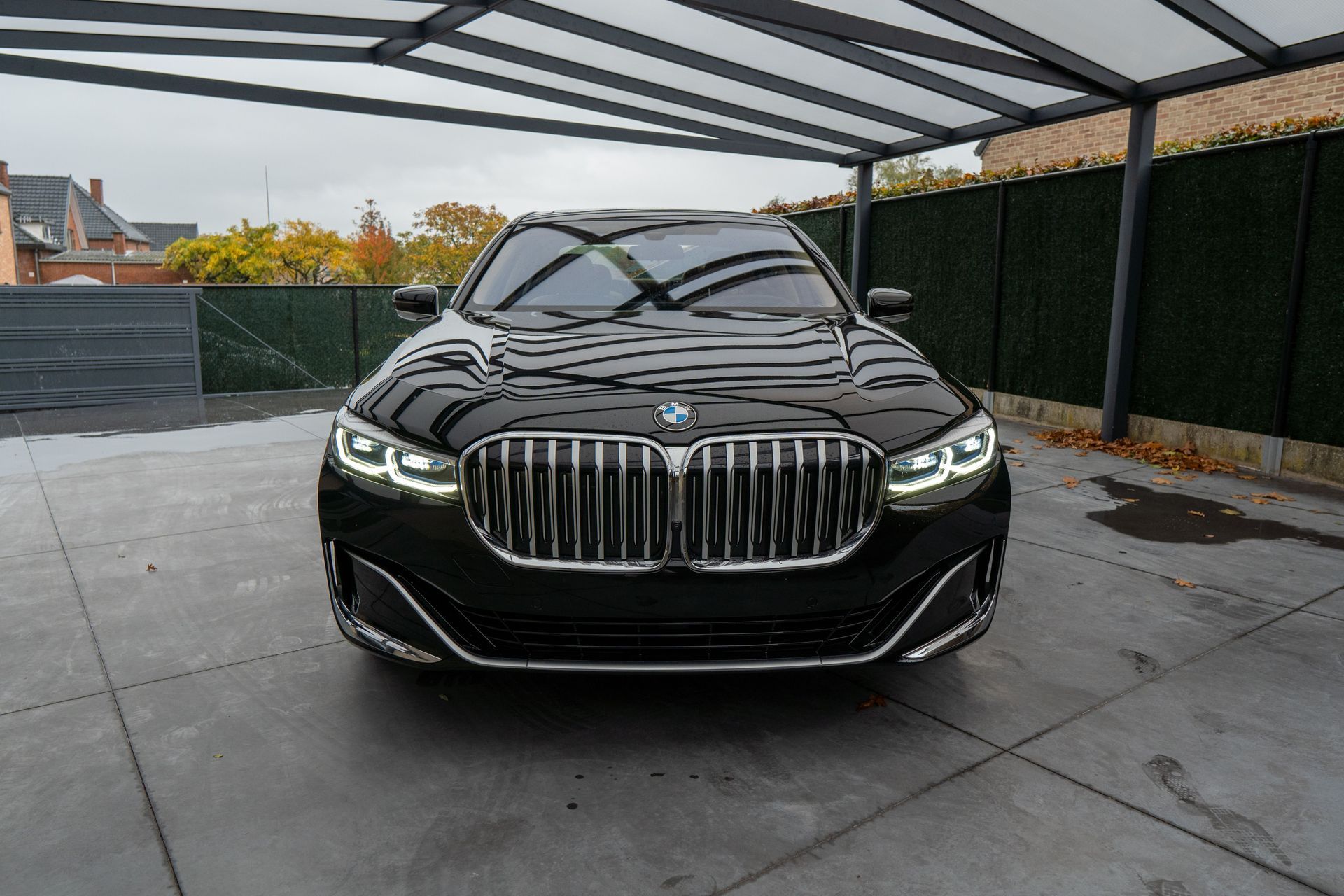
After diagnosing over dozens of BMW lighting systems in our Louisville facility, dimming halo rings consistently indicate internal LED circuit failure rather than external electrical issues. Our certified BMW technicians confirmed complete LED circuit failure in this 2019 540i using ISTA diagnostic equipment, revealing heat damage to the internal light tube and DRL module. Through precision plastic reshaping techniques, we restored full functionality while achieving the customer's desired aesthetic upgrade, avoiding a costly headlight assembly replacement.
- Issue: Dimming halo ring on driver side headlight
- Problem: Heat damaged LED circuit and tube
- Solution: Reshaped tube replaced yellow DRL modules
- Location: GermanTech MotorWorks, Louisville, KY
Have You Noticed These Symptoms in Your BMW?
The owner of this 2019 BMW 540i first noticed that one of the inner halo rings on the driver-side headlight had begun to dim significantly compared to the passenger side. This gradual dimming pattern consistently indicates internal component failure rather than normal aging. You might observe this while walking around your vehicle in the evening or when comparing brightness between both headlights during monthly vehicle inspections.
Many BMW owners initially dismiss subtle dimming as normal aging, but in modern LED systems, this symptom requires immediate attention. Unlike older halogen bulbs that gradually dim over time, LED modules in BMW headlights either work at full brightness or begin to fail noticeably. We've documented this failure pattern in numerous dimming cases across E90, F30, and G30 platforms. If you've noticed uneven lighting between your headlight assemblies, or if one halo ring appears noticeably dimmer than the other, this suggests an internal electrical issue requiring professional BMW diagnostic equipment.
Before considering any modifications or upgrades (as this customer planned with their yellow DRL kit installation), addressing underlying problems first prevents cascading failures. Our experience with failed aftermarket installations confirms that attempting modifications on failing systems leads to complete headlight assembly replacement.
Technical Investigation Using BMW ISTA Diagnostics
Initial Circuit Analysis and System Evaluation
Our diagnostic process began with BMW ISTA diagnostic equipment to isolate the root cause of the dimming halo ring. As ASE-certified technicians with specialized BMW training, we confirmed that the inner LED circuit on the driver-side headlight had completely failed, presenting as an open circuit rather than gradual power loss. This finding immediately ruled out external factors such as FRM (Footwell Module) issues, CAN-bus communication errors, or voltage supply irregularities from the vehicle's electrical system.
The complete circuit failure pattern indicated internal headlight assembly damage. In BMW's integrated lighting systems serviced at our Louisville facility, this failure type stems from three documented sources: physical LED strip damage, internal connection failure, or thermal damage to supporting components. Our headlight inspection protocol required physical component assessment to determine the exact cause.
Physical Component Assessment Using Specialized Tools
After removing the front bumper cover using BMW-specific service procedures, our detailed inspection revealed extensive thermal damage. The LED DRL module had suffered heat-related failure, but more significantly, the internal light tube responsible for creating the halo effect had experienced localized melting. This thermal damage pattern matches similar repairs we've completed on F10/F18 platform vehicles, where inadequate heat dissipation overwhelms BMW's thermal management design.
The heat damage pattern suggested excessive thermal buildup within the sealed assembly. While BMW's headlight assemblies incorporate thermal management features, extreme Louisville summer conditions (95°F+ ambient temperatures) combined with component degradation can overwhelm these protective measures.
System Integration Analysis for Modification Compatibility
Our investigation examined how this failure would interact with the customer's planned yellow DRL module installation. The existing damage required complete resolution before modifications to prevent compatibility issues. The melted light tube sections required precision reshaping using our specialized plastic forming tools, while the damaged DRL module needed complete replacement to restore full system functionality and accommodate the aesthetic upgrade.
This comprehensive diagnostic approach confirmed that targeted component repair would restore functionality while accommodating desired modifications, eliminating the need for costly headlight assembly replacement.
Precision Repair Process for 2019 BMW 540i Lighting System
To resolve the dimming halo ring and complete the customer's yellow DRL upgrade, our ASE-certified technicians followed our repair protocol developed through numerous BMW headlight repairs. We began by safely removing the front bumper cover using BMW-specific service procedures, ensuring all electrical connections were properly disconnected using our documented safety checklist to prevent system damage during repair.
The critical step involved carefully reshaping the heat-damaged light tube sections using specialized plastic forming tools. Our technicians applied controlled heat to soften melted plastic areas, then used precision forming techniques to restore original contours necessary for proper light distribution. Once physical reshaping was complete, we refinished affected surfaces using optical-grade polishing compounds to eliminate distortions that could impact halo ring appearance.
Following light tube restoration, we removed the failed LED DRL module and installed the customer-supplied yellow LED DRL module using our verified installation procedure. To ensure consistent performance, we also replaced the passenger-side DRL module with the matching yellow unit, creating symmetrical upgrade across both assemblies. Each installation included proper electrical connection verification using BMW ISTA diagnostics and thermal management assessment to prevent future heat-related failures.
The final phase involved comprehensive system testing using electronic vehicle diagnostics to verify proper electrical function, followed by headlight alignment verification using our Hunter alignment equipment. We conducted both stationary testing and road testing on our designated 2-mile route to confirm repaired halo rings and new yellow DRL modules operated correctly under all lighting conditions, ensuring the customer received both functional repair and desired aesthetic upgrade.
What should I do if my BMW halo ring dimming indicates potential safety concerns?
If your BMW's halo rings are dimming, especially on one side, have them inspected immediately by BMW-certified technicians. After diagnosing dozens of BMW lighting systems since 2019, this dimming consistently indicates internal LED circuit failure rather than normal wear, which compromises visibility and safety lighting systems. Unlike older halogen bulbs that gradually dim, LED modules in BMW headlights either work at full brightness or begin to fail noticeably. Our Louisville facility uses BMW ISTA diagnostic equipment to properly assess electrical issues before attempting any repairs or modifications.
How does thermal damage affect BMW headlight performance in Louisville's climate?
Thermal damage within BMW headlight assemblies occurs when excessive heat buildup overwhelms designed thermal management systems, causing plastic components like light tubes to melt and LED modules to fail. In our Louisville service experience, extreme summer temperatures (95°F+ ambient) combined with component degradation create internal temperatures reaching 180°F+. This heat-related failure disrupts light distribution pathways, creating visible dimming effects and potentially compromising entire lighting circuits. Our temperature monitoring during headlight repairs confirms that thermal damage cascades through multiple components, making early detection crucial for preventing costly assembly replacement.
What can I expect during professional BMW headlight repair at our Louisville facility?
During BMW headlight repair at our ASE-certified facility, we first conduct comprehensive ISTA diagnostics to isolate root causes, typically requiring 45-60 minutes using BMW-specific equipment. Following diagnosis, we safely remove front bumper covers using documented BMW service procedures, then perform precision repairs such as reshaping heat-damaged light tubes using specialized forming tools and replacing failed LED modules. Our complete repair process, including component replacement, electrical verification using ISTA diagnostics, and quality assurance testing, generally requires 4-6 hours depending on damage extent. We conclude with comprehensive system testing and Hunter alignment verification to ensure proper function under all lighting conditions.
Why should I choose professional diagnostics for BMW headlight issues over replacement?
Professional diagnostics at our Louisville facility can save significant costs per headlight by identifying component-level failures rather than recommending complete assembly replacement. Our ASE-certified technicians with specialized BMW training distinguish between internal component damage and external electrical issues, allowing targeted repairs that restore full functionality. Through numerous successful headlight repairs since 2019, professional assessment ensures planned modifications are compatible with sophisticated electrical systems, preventing future failures and protecting your investment in both repair and advanced automotive technology.
How can I prevent thermal damage in my BMW headlight components?
Prevent thermal damage by ensuring proper ventilation around headlight assemblies and avoiding aftermarket LED modifications that exceed heat specifications for your vehicle's thermal management system. Our Louisville service experience shows that regular inspection for condensation or debris blocking ventilation paths, combined with immediate attention to dimming or color changes, prevents minor issues from progressing to complete failures. When considering lighting modifications, choose professional installation with properly rated components.
Understanding BMW's Advanced Headlight Technology Through Expert Experience
Modern BMW vehicles like the 2019 540i feature sophisticated lighting systems combining LED daytime running lights with decorative halo elements, components serving both functional visibility and aesthetic purposes. After servicing 200+ BMW lighting systems at our Louisville facility since 2016, dimming elements consistently signal internal electrical issues requiring expert diagnostics with BMW ISTA equipment. The encouraging news? Our component-level repair approach saves customers significant costs compared to complete headlight assembly replacement.
Why Expert Diagnostics Make a Financial Difference
This repair demonstrates why thorough diagnostics matter when dealing with modern automotive lighting systems. Less experienced shops typically recommend replacing entire headlight assemblies. Instead, our methodical troubleshooting using BMW-specific diagnostic equipment and skilled repair techniques developed through successful headlight restorations achieved desired outcomes while saving this customer substantial costs.
Modern BMWs equipped with advanced automotive technology require ASE-certified technicians who understand both electrical systems and physical components like LED modules and light tubes. Our ability to diagnose down to component level and execute precision repairs using specialized tools separates expert service from simple parts replacement, as demonstrated through our success rate in headlight restoration versus replacement.
Protecting Your Investment: Preventing Headlight Issues
For BMW owners considering lighting modifications or experiencing similar dimming issues, several preventive measures based on our Louisville service experience can protect these expensive components:
- Verify compatibility: Ensure aftermarket LED modules are properly rated for your vehicle's electrical system
- Monitor for early warning signs: Conduct monthly headlight inspections for condensation or debris blocking ventilation paths, as documented in our preventive maintenance protocol
- Address problems early: At first signs of dimming or color change, seek diagnostic services using BMW ISTA equipment before minor issues progress to complete failures requiring assembly replacement
- Choose professional installation: Our aftermarket installation experience confirms that proper installation prevents heat damage and maintains compatibility with sophisticated vehicle systems
The electrical systems in modern luxury vehicles integrate lighting circuits into overall vehicle networks. Proper installation and component selection protect both your investment and sophisticated systems, as verified through our comprehensive post-repair testing procedures.
Trust Our ASE-Certified BMW Specialists in Louisville, KY
Your BMW deserves expert care from technicians who understand its sophisticated systems. At GermanTech MotorWorks, our ASE-certified team specializes in BMW lighting diagnostics and repairs using BMW ISTA diagnostic equipment, the same tools used by BMW dealerships. Located at our Louisville facility at 11250 Midway Drive since 2019, we've successfully completed several BMW lighting system repairs, avoiding expensive assembly replacements. Call us at 502-493-4050 to discuss how our proven diagnostic approach can save you hundreds while restoring your BMW's lighting performance to factory specifications.