
Why does my car creak when I turn? Answers from Louisville's German car shop
You turn the wheel all the way, and something creaks.
You're right that the noise is a warning. Creaking at low speed usually means worn suspension parts, and a ball joint that fails can affect steering control.
Not safe to drive if you notice these issues when your car creaks as you turn
- Steering feels loose or wanders
- Loud clunk when turning
- Wheel wobbles or pulls hard
Stories about Creaking When Turning
We help people with steering and suspension noises all the time.
Real cars from our Louisville shop, and how we found and fixed the problem.
Is it safe to drive when the car creaks while turning?
Usually yes. A light creak at full lock is usually fine for a short drive to the shop. Any clunk, wander or looseness in the steering is not.
Usually safe to drive
- Creaks only at full steering lock
- Steering feels tight and straight
- No clunking over bumps
Not safe to drive
- The steering feels loose or wanders
- Loud clunk when turning or over bumps
- A wheel wobbles or the car pulls hard
Not safe to drive? Stop and call us now.
Pull over somewhere safe and call GermanTech MotorWorks at (502) 493-4050. We will help you figure out the next step.
Why your car creaks when you turn
The front suspension moves through its full range as you turn, so a worn part makes its noise at full lock.
Worn control arms
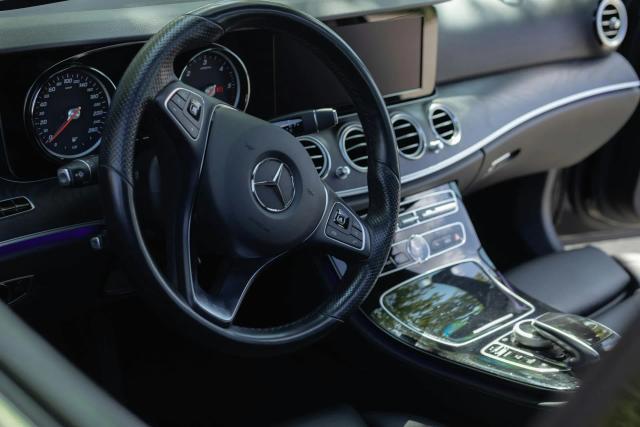
A Mercedes creaked at full lock because both upper control arms had worn bushings and ball joints.
You need Suspension RepairBall joints
A worn ball joint creaks and can clunk. If one fails, steering control is lost.
You need Suspension RepairBushings and mounts
Rubber hardens with age and heat, so bushings and strut mounts creak and let parts move.
You need Suspension RepairAlignment out of spec
Worn parts move the alignment. We check alignment after suspension work to protect the tires.
You need Wheel Alignment
What you can check at home
Safe checks you can do at the curb.

Note whether it creaks turning left, right or both ways.

Check if the noise is the same cold and warm.
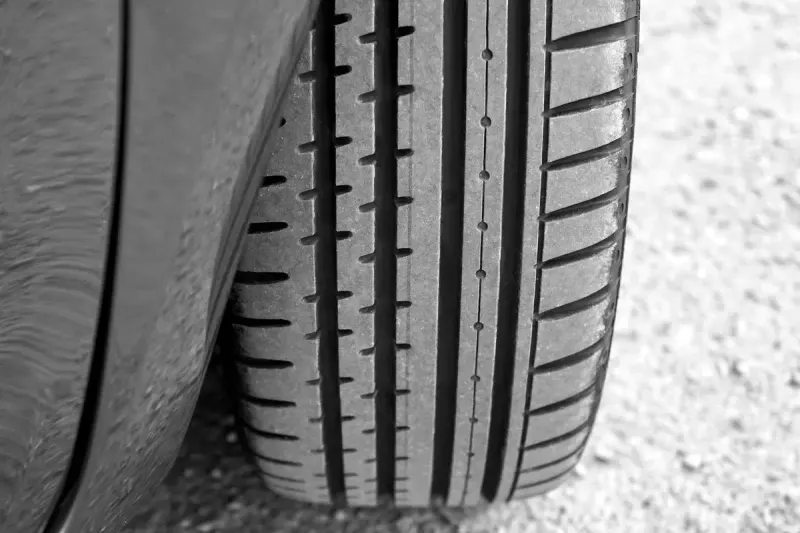
Look for uneven wear on the front tires.

Pay attention to clunks over bumps or a steering wheel that is off center.
Ready for quiet, steady steering again?
Call GermanTech MotorWorks at (502) 493-4050. We inspect the whole front end and replace only the parts that are worn.
Questions drivers ask
What does it mean when my car creaks when I turn?
Creaking when turning usually means worn suspension parts. In our Mercedes report, a creak at full steering lock came from deteriorated bushings and ball joints in both upper control arms. A technician needs to lift the car and check each part for wear and play.
Is a creaking suspension dangerous?
It can be. A creak alone is a warning, not an emergency. A worn ball joint can eventually separate, and then you lose control of the wheel. If the steering feels loose, clunks or wanders, stop driving and have the car towed rather than risk it.
Should I get an alignment after suspension work?
Yes. Replacing control arms or joints changes the alignment. Our Mercedes report included alignment verification to factory specification after the repair. Skipping that step can wear the tires unevenly and leave the steering off center, even with brand new parts installed.
Why does it only creak at full steering lock?
At full lock, the suspension and steering parts reach the end of their travel and carry the most load. A worn bushing or joint that is quiet in normal driving shows up there first. That makes full-lock creaking an early sign, which is a good time to inspect.
Other symptoms we can help with
See All SymptomsBrake pad warning light
The warning can mean real wear or a faulty sensor. Measuring the pads settles it.
Learn More: Brake pad warning lightShuddering or jerking when shifting
A shudder or jerk at shift points can come from fluid, a clutch pack or the transfer case.
Learn More: Shuddering or jerking when shifting
Creaking or groaning when turning?Let's get quiet, steady steering again.
Book a visit and tell us what is going on. We explain your options before any work begins.