What Is a DSA or Suspension Warning on a European Car?
European vehicles are loaded with technology designed to alert you when something needs attention, and the suspension system is no exception. If you've ever seen a warning light related to your suspension, ride control, or adaptive damping, it's easy to wonder whether it's urgent or something you can put off for a few weeks. The short answer is that suspension warnings on BMW, Mercedes-Benz, and Audi vehicles should never be ignored. These systems are deeply integrated with how your vehicle handles, brakes, and protects you in emergency situations. Understanding what these alerts mean and what to do about them can save you from a much larger repair down the road.
What Is DSA and How Does It Work?
DSA stands for Dynamic Stability Assist or Dynamic Suspension Adjustment, depending on the manufacturer and model. In BMW vehicles, the term is often associated with the Dynamic Damper Control or Electronic Damper Control (EDC) system, which continuously adjusts the firmness of each shock absorber based on road conditions and driving inputs. Mercedes-Benz uses a similar system called AIRMATIC for air suspension-equipped models, along with Active Body Control (ABC) on higher-trim vehicles. Audi uses Magnetic Ride or adaptive air suspension across many of its model lines.
What all of these systems have in common is that they rely on a network of sensors, electronic control units, and either air-pressurized or electronically adjustable dampers to actively manage ride quality and handling. When any component in that network falls out of spec, the system logs a fault and triggers a warning. The vehicle may default to a fixed, often firmer suspension setting to maintain basic drivability, but it's operating in a compromised state.
Common Suspension Warning Lights and What They Mean
The most frequent suspension-related warning lights on European vehicles fall into a few categories, and the underlying causes vary by system and brand.
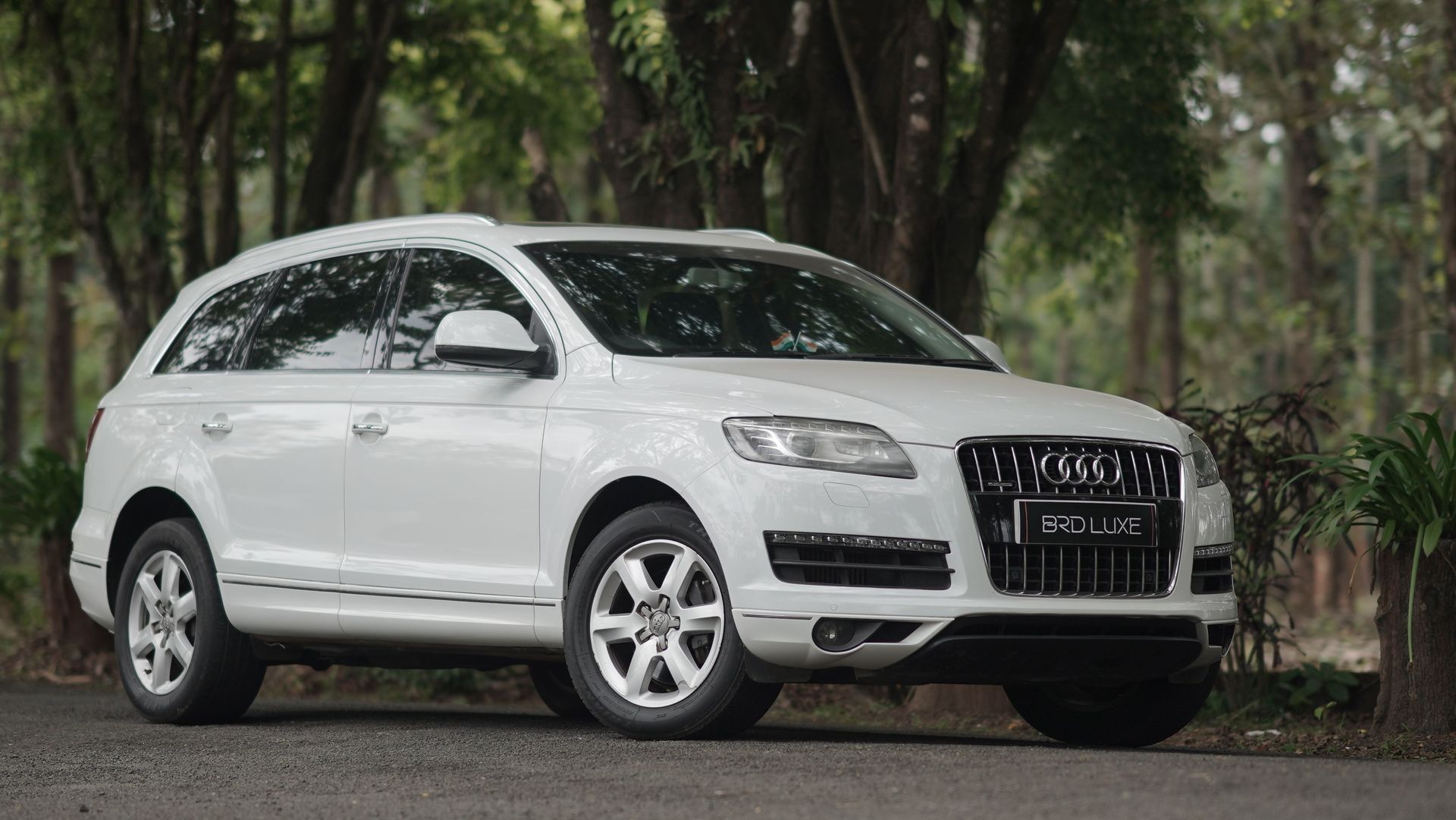
An air suspension fault warning, common in Mercedes AIRMATIC systems and Audi air suspension-equipped models like the A6, A8, and Q7, typically indicates a problem with the air compressor, a leak in one of the air struts or air lines, or a faulty level sensor. When this warning appears, you may also notice the vehicle sitting noticeably lower on one corner or across the entire rear axle. Continuing to drive with a deflated or compromised air strut puts stress on the surrounding suspension components and can lead to additional damage beyond the original fault.
Shock absorber or damper warnings on BMW models equipped with EDC signal that one or more dampers are no longer receiving or responding to adjustment signals. This could be a failed damper unit, a wiring harness issue, or a sensor fault. While the car may still drive, handling precision is reduced and the vehicle may feel noticeably softer or inconsistent through corners.
Adaptive suspension errors on Audi models with Magnetic Ride or air suspension often appear alongside other warning lights, including those related to the car's electrical system. Because the suspension control unit communicates with the broader vehicle network, a fault in the suspension can sometimes trigger secondary warnings in unrelated systems, making accurate factory-level diagnostics essential to identifying the true root cause.
The Risks of Ignoring a Suspension Warning
A suspension warning light is not the same as a low washer fluid alert. These warnings reflect a real change in how your vehicle is managing its weight distribution, road contact, and handling dynamics. Ignoring them creates several compounding risks.
First, handling and stability are directly affected. European vehicles with adaptive suspension systems are tuned with those systems active. When the suspension defaults to a fixed or partially functional mode, the vehicle no longer responds the way the engineers designed it to, particularly during hard braking, evasive maneuvers, or cornering at highway speeds. This matters especially on performance-oriented vehicles like the BMW M series, Mercedes AMG models, and Audi S and RS variants.
Second, a small fault can quickly become a much larger repair. An air suspension compressor that runs continuously trying to compensate for a slow leak will eventually burn out. A single failed air strut left unaddressed can overload the opposing strut on the same axle, leading to two repairs instead of one. The cost difference between catching these issues early and waiting until the system fully fails is significant.
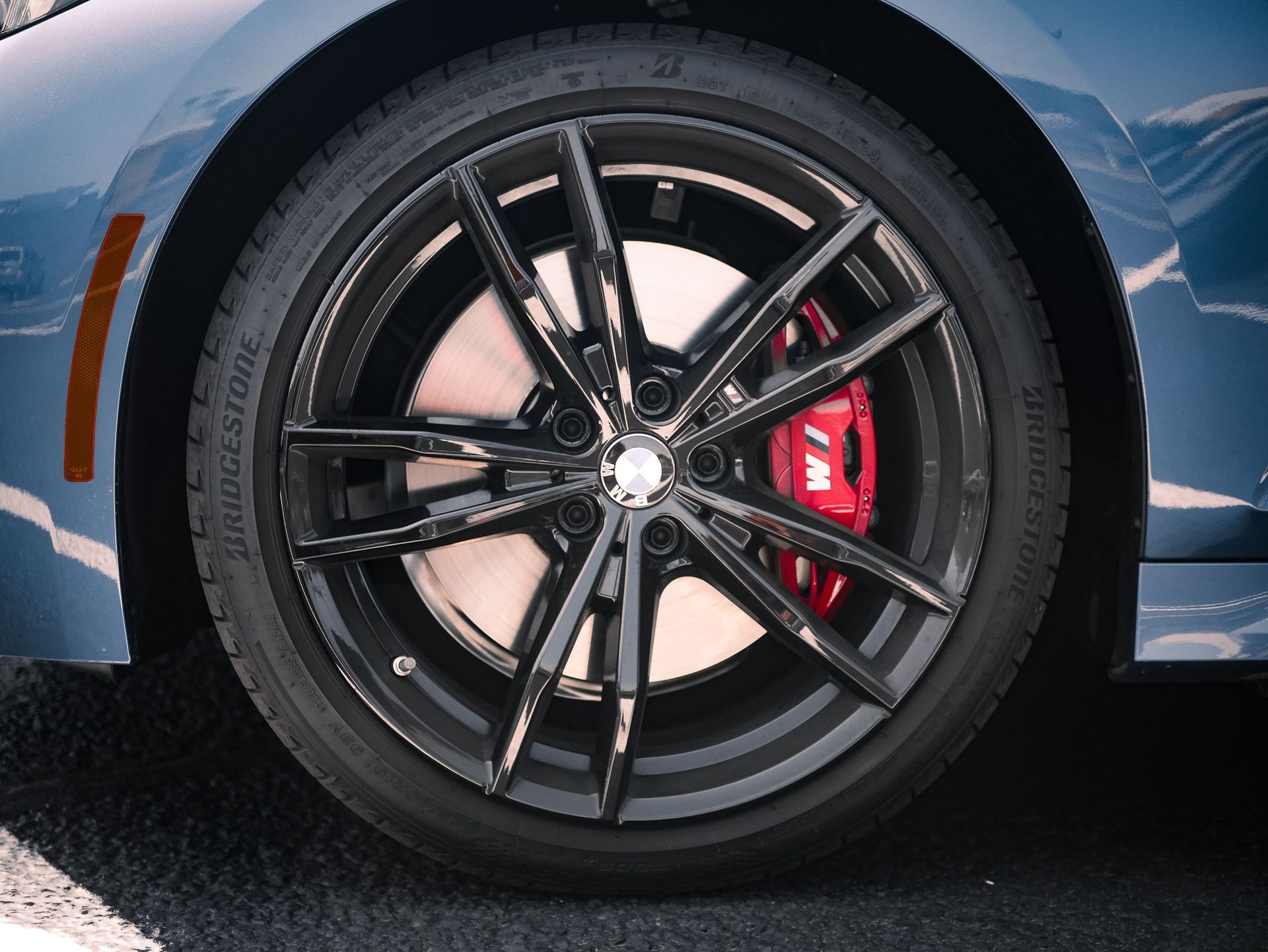
Third, worn or compromised suspension components affect tire wear, wheel alignment, and brake performance. A vehicle sitting unevenly due to a suspension fault will wear its tires unevenly and may pull under braking, creating a broader set of problems that extend beyond the original warning.
When to Bring Your European Car In
If a suspension warning light appears on your dash, the appropriate response is to have the vehicle inspected promptly, ideally within a few days rather than a few weeks. If the vehicle is sitting visibly lower than normal, the warning is accompanied by unusual noises over bumps, or handling feels noticeably different, the car should be seen as soon as possible.
The right shop for this kind of European car suspension repair is one equipped with manufacturer-specific diagnostic software. Standard OBD-II scanners cannot read the suspension-specific fault codes stored in BMW, Mercedes, or Audi control units. Accurate diagnosis requires tools that communicate directly with those modules, read live sensor data, and perform system tests. Without them, a technician is essentially guessing.
At GermanTech MotorWorks, we use factory-level diagnostic equipment to accurately identify suspension faults across BMW, Mercedes-Benz, Audi, and other European vehicles. Whether it's an air suspension compressor, a failed damper, a sensor issue, or something deeper, our team diagnoses it correctly the first time and walks you through exactly what the repair involves before any work begins.
Schedule Your Suspension Inspection in Louisville
A suspension warning on your European vehicle is your car telling you it needs attention. Don't wait until a manageable repair becomes a serious safety issue or a much larger bill. The team at GermanTech MotorWorks in Louisville specializes in
German and European auto repair and has the tools and experience to handle suspension faults on BMW, Mercedes-Benz, Audi, and more. Call us at
(502) 493-4050,
visit our shop in Midway Dr or
book your appointment online today.