Stay Cool and Warm: Your Guide to Car A/C and Heating Repair

GermanTech MotorWorks, LLC • June 17, 2026

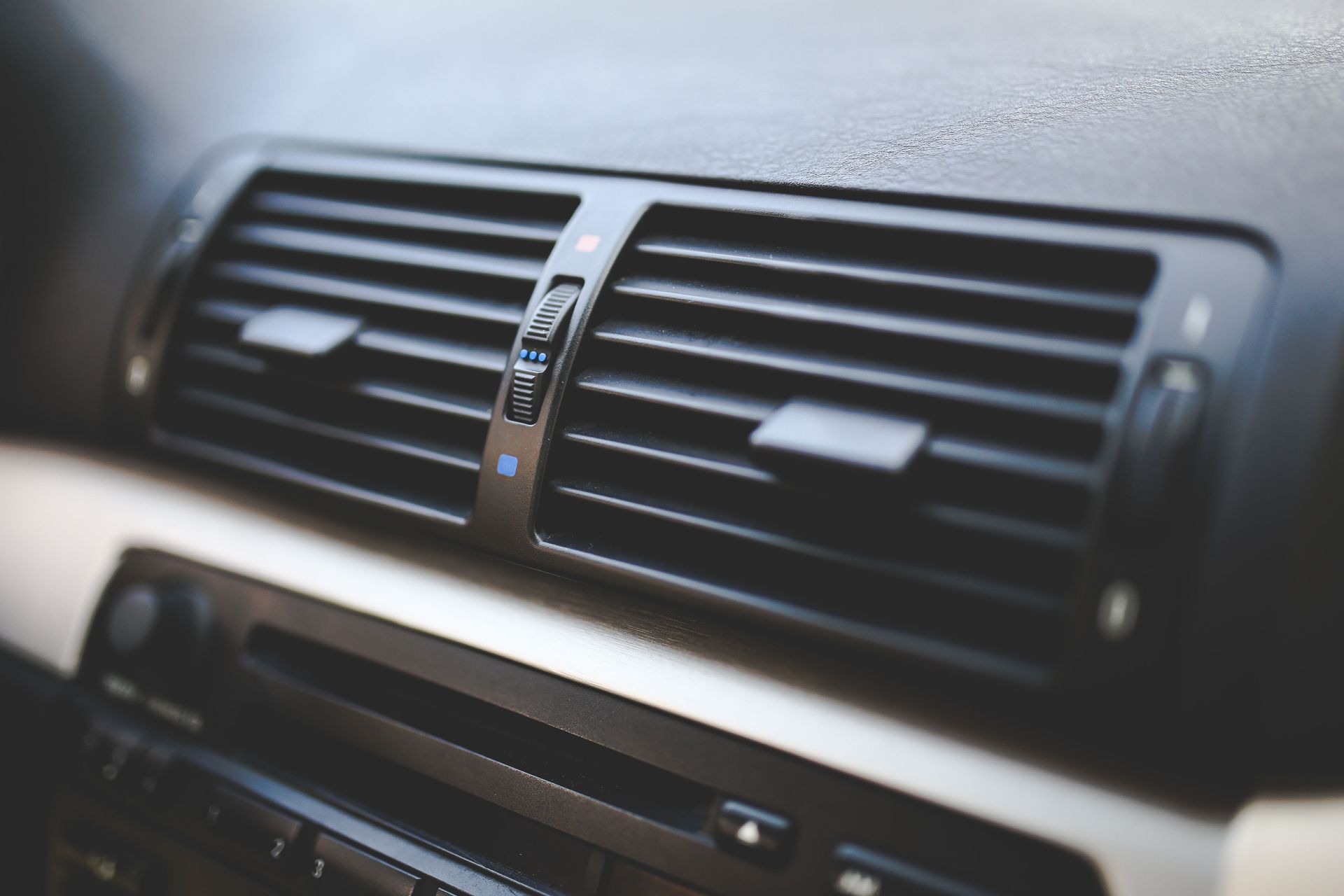
Living in Louisville, KY, with its seasonal temperature fluctuations, makes your car's climate control system indispensable. Whether you're combating summer heat or winter chills, a well-maintained A/C and heating system boosts your comfort and driving experience. Here at GermanTech MotorWorks, LLC, we understand the crucial role these systems play, and in this post, we're diving deep into car A/C and Heating Repair essentials so you can make informed decisions about your vehicle's maintenance.

Key Takeaways

  • Watch for early warning signs. Weak airflow, grinding or squealing noises, musty or foul odors, and inconsistent temperatures all point to a problem.
  • Small issues grow. Addressing minor symptoms promptly can prevent costly repairs later.
  • Some upkeep is DIY-friendly. Leave refrigerant refills, leak repairs, and component replacements to professionals.
  • Regular inspections keep things efficient. Routine checks help your A/C and heater work well year-round and protect other systems that depend on climate control.

Understanding Your Car's Climate Control System

At GermanTech MotorWorks, LLC, we believe knowledge is power. Understanding the basics of your car's A/C and heating system can prevent minor issues from escalating into costly repairs. Your car's A/C system comprises a compressor, condenser, evaporator, and refrigerant, which work together to cool down the air. Meanwhile, the heating system utilizes the engine's coolant, which runs through the heater core to provide you with warmth.

Keeping these systems functioning requires regular inspection and maintenance. Ignoring small hitches like weak airflow or unusual noises could lead to bigger problems down the line. Whether your A/C isn't cooling like it used to or your car heater isn't as warm as you'd like, addressing these issues promptly with trusted professionals will save you time and money. That's where we come in — offering reliable service so you can drive comfortably every season.

Signs Your A/C or Heating System Needs Repair

Spotting issues early can make a significant difference. Here are clues that your car's A/C or heating system might need attention from GermanTech MotorWorks, LLC:

  • Weak Airflow: If your vents aren't delivering a strong airflow, this could indicate a clog or a failing fan.
  • Strange Noises: Grinding or squealing noises often suggest problems with the compressor or fan.
  • Unusual Smells: Musty or foul odors could signify mold in the A/C system or a coolant leak in the heater.
  • Inconsistent Temperatures: Your A/C should consistently cool and the heater should heat. Variability could indicate control issues or low refrigerant levels.

If you notice any of these symptoms, it’s time to reach out to our skilled team in Louisville, KY. Our experienced technicians at GermanTech MotorWorks, LLC will diagnose and remedy the problem efficiently.

Do-It-Yourself Tips and Professional Care

While we’re here to service your vehicle professionally, some upkeep measures can be done independently. Regularly changing your vehicle’s cabin air filter, keeping the exterior A/C condenser clean, and checking for visible leaks under the car can help maintain peak performance.

However, some repairs and regular maintenance are best left to the professionals to avoid damage or voiding warranties. At GermanTech MotorWorks, LLC, our comprehensive services in Louisville, KY, include system inspections, refrigerant refills, leak repairs, and component replacements — all tailored to prolong the life of your car’s climate control system.

The Importance of Regular Maintenance

Regular maintenance checks at GermanTech MotorWorks, LLC can proactively address issues, ensuring your car's A/C and heater perform efficiently year-round. Routine inspections not only enhance comfort but also prevent increased energy use and protect other vehicle systems reliant on a fully functional climate control system.

During your maintenance visit, our skilled technicians will thoroughly examine components, replace any necessary parts, and ensure refrigerants are at appropriate levels. Our dedication to customer satisfaction means we provide tailored advice on maintaining your vehicle’s systems between visits.

Trust the Experts at GermanTech MotorWorks, LLC

Choosing where to service your car’s A/C and heating system can feel daunting, but with GermanTech MotorWorks, LLC by your side, you’re assured of reliable and expert care. Our reputation in Louisville, KY speaks for itself as our experienced team dedicates itself to keeping your vehicle as comfortable and efficient as possible.

We encourage you to attend to your vehicle's climate control needs before they become pressing issues. By scheduling regular visits to our shop, you can ensure the longevity and reliability of two of your car's most important systems. Let us keep you cool in the summer and warm in the winter — contact us today or schedule your appointment online for friendly, expert service you can always count on.

By GermanTech MotorWorks, LLC • October 30, 2026
Expert auto care at GermanTech MotorWorks, LLC in Louisville, KY. Specializing in belts and hoses repair. Visit us today for quality service!
By Jeff Byrn • October 28, 2026
A non-functioning horn on your Tesla usually points to a localized circuit problem rather than a broader electrical failure. Our highly-trained technicians at GermanTech MotorWorks traced the horn system failure to damaged wiring and defective horn units, while also spotting a faulty hood latch. We replaced all failed components and repaired the wiring, restoring full functionality for this Louisville-area Tesla Model S. Issue: Tesla horn completely unresponsive when button pressed Problem: Compromised wiring and defective horn units Solution: Complete component replacement and wiring repair Location: GermanTech MotorWorks, Louisville, KY Is Your Tesla's Horn Giving You a Warning? Your horn button does nothing when pressed. No sound, no response, complete silence. This total failure indicates a horn circuit problem in your Tesla. Critical diagnostic clue: If your other steering wheel buttons work perfectly, the problem is isolated to the horn-specific circuit. This pattern tells you the steering wheel's main control module is functioning normally, narrowing the issue to horn circuit components like wiring, relays, or the horn units. Systematic Analysis of Tesla Horn Circuit Our technicians identified the horn failure through targeted circuit testing that isolated the problem to compromised wiring and defective horn units. The diagnostic process followed a methodical sequence: Verified signal transmission from the steering wheel horn button Tested relay operation to confirm proper power switching Measured voltage at multiple connection points throughout the wiring harness Checked physical horn units for proper electrical resistance and mechanical functionality This systematic approach revealed compromised wiring as the primary culprit. Wiring degradation develops from age-related insulation breakdown and corrosion at connection points. Resolution Steps for 2017 Tesla Model S: Horn System and Hood Latch Repair Our technicians resolved the horn failure through complete component replacement and comprehensive wiring repair. The repair process followed these key steps: Removed the failed horn units from their mounting locations Inspected the wiring harness, identifying sections with compromised insulation and corroded connections Replaced damaged wiring sections using proper gauge wire and manufacturer-approved connection techniques Installed new horn units and verified secure mounting Replaced the faulty hood latch mechanism with a new unit featuring integrated sensors Conducted final verification testing of all repaired systems All replacement components met OEM specifications , and comprehensive testing confirmed proper functionality before returning the vehicle to service. Frequently Asked Questions About Tesla Horn Failures Can I legally drive my Tesla if the horn doesn't work? While your Tesla will operate mechanically without a working horn, driving without this safety device is illegal in most jurisdictions and creates significant safety risks. The horn serves as your primary warning device in emergency situations. We recommend scheduling immediate repair to restore this critical safety feature. Why should I choose professional service for a Tesla horn repair instead of attempting a DIY fix? Tesla horn systems integrate with sophisticated electronic control architectures that require specialized diagnostic equipment and manufacturer-specific knowledge. Our highly-trained technicians use Tesla-specific diagnostic tools to identify the exact failure point, then perform repairs using OEM-specification components that ensure lasting reliability. Understanding Tesla Horn System Failures When a Tesla Model S horn stops working while other steering wheel controls continue to function normally, the issue typically points to a localized problem within the horn circuit. Servicing electric vehicles like the Tesla Model S requires specialized knowledge of high-voltage systems and electronic control architectures. Our factory-trained technicians at GermanTech MotorWorks understand both traditional automotive systems and the unique characteristics of electric powertrains. Facing Issues? Let Us Help You with Our Tesla Repair Services in Louisville If your Tesla's horn isn't working, you're dealing with a safety concern that needs immediate attention. At GermanTech MotorWorks , our highly-trained technicians specialize in Tesla diagnostics and electrical system repairs in Louisville. We handle the full spectrum of Tesla service needs: Horn system failures and electrical diagnostics Hood latch replacements and safety system repairs Brake system inspections for electric vehicles Comprehensive maintenance using OEM-specification components Suspension and tire inspections HVAC repairs and service Our specialized diagnostic equipment pinpoints the exact failure point so you get lasting repairs, not temporary fixes. Every repair is backed by our nationwide warranty.  Ready to restore your Tesla's safety systems? Call us at 502-493-4050 or email [email protected] to schedule your diagnostic appointment. You can also book online at germantechmotorworks.com or visit us at 11250 Midway Dr., Louisville, KY 40299.
By Jeff Byrn • October 20, 2026
What Does It Mean If My BMW X3 Won't Start After Replacing the Key Fob Battery?  A no-start condition after replacing a key fob battery signals a communication breakdown between the key and vehicle security systems. When this Louisville driver's X3 displayed messages about key placement but refused to crank, our workshop confirmed the security modules had lost synchronization with the key's encrypted signal. Our technicians performed specialized programming and encoding services to restore the electronic handshake between components. Issue: BMW X3 won't start after key fob battery replacement Problem: Security system lost key fob synchronization Solution: Performed key programming and encoding services Location: GermanTech MotorWorks, Louisville KY Is Your BMW X3 Giving You a Warning After a Key Fob Battery Change? The X3 refused to start after the key fob battery replacement, pointing to security system communication failure rather than a simple power issue. When a BMW shows no cranking attempt, the problem can sometimes stem from issues like: Key fob authentication failure with the vehicle's security module Electronic steering column lock malfunction Programming or encoding issues following battery service The vehicle displayed a message prompting the owner to place the key on the steering column, BMW's backup authentication method when the wireless signal can't be detected. Systematic Analysis of BMW X3 Key Fob Authentication Our technicians connected factory-level scan tools to pinpoint the exact communication failure preventing the X3 from starting. The diagnostic process revealed: Verified the key fob battery was fresh and properly installed Scanned fault codes in the DME, footwell module, car access system (CAS), and electronic steering column lock Identified loss of synchronization between the CAS module and the key fob's encrypted signal The CAS module had lost recognition of the key's encrypted code. When the CAS can't validate the key, the electronic steering column lock won't disengage and the DME never receives authorization to enable the starter motor. Resolution Steps for 2022 BMW X3: Key Fob Programming and Encoding Repair Our technicians restored the X3's starting capability by performing specialized programming and encoding services that re-established encrypted communication between the key fob and the Car Access System (CAS) module. The repair process: Connected BMW factory-level diagnostic software to access the CAS module and security systems Executed key fob programming to synchronize the key's encrypted identifier with the vehicle's security database Performed encoding services to update control module software and clear fault codes Verified the electronic steering column lock received proper authorization signals Confirmed the DME received the start-enable command and the engine started normally Common Questions About BMW Key Fob Issues Why does my BMW tell me to place the key on the steering column even with a new key fob battery? This message indicates your vehicle cannot detect the wireless signal from your key fob. The security system has lost synchronization with the key's encrypted signal, requiring specialized programming to restore communication. Contact a facility with BMW factory-level diagnostic equipment to perform the necessary programming and encoding services. Can I fix BMW key programming issues myself or do I need professional equipment? BMW key fob programming requires factory-level diagnostic equipment that generic scan tools cannot access. The Car Access System uses encrypted security protocols that demand precise authentication procedures only manufacturer-specific systems can execute. Understanding BMW No-Start Conditions and Key Fob Communication Modern BMW vehicles depend on sophisticated electronic communication between the key fob and the vehicle's security systems. When this communication breaks down, even a fresh key fob battery won't resolve the underlying problem. This service story demonstrates why specialized diagnostic expertise matters for BMW vehicles. Facing Issues? Let Us Help You with Our BMW Diagnostic and Programming Services in Louisville If your BMW won't start after a key fob battery change or you're dealing with any electronic or security system problem, GermanTech MotorWorks has the factory-level diagnostic equipment and expertise to solve it right the first time. Our technicians specialize in BMW programming, key fob encoding, and complex electrical diagnostics that generic shops simply can't handle. Call us at 502-493-4050 to discuss your vehicle concerns and schedule your diagnostic service. You can also email us at [email protected] or book online at germantechmotorworks.com . Visit us at 11250 Midway Dr., Louisville, KY 40299 and experience the difference that specialized German vehicle expertise makes.
By Jeff Byrn • October 13, 2026
Understanding Dual 12V Battery Failure in 2018 BMW 530e: A Technical Overview  When both 12V batteries fail simultaneously in a 2018 BMW 530e, it typically signals natural end-of-life rather than catastrophic system failure. Our diagnostics revealed numerous fault codes—a cascade of secondary symptoms triggered by aged batteries that could no longer hold charge. Professional load testing confirmed the batteries had reached end-of-service. This methodical approach protects BMW 530e owners from unnecessary repairs by distinguishing root causes from voltage-related false codes. Issue: Complete electrical failure, no power or start Problem: Both aged 12V batteries failed simultaneously Solution: Replaced both 12V batteries with OEM units Location: Louisville service Have You Noticed These Symptoms in Your BMW 530e? The vehicle arrived completely dead: no power, no start, no electrical response. The owner experienced: Complete electrical failure with no power to start or operate accessories No warning signs before failure Original batteries still in service after several years in a 2018 model When both 12V batteries fail simultaneously in a plug-in hybrid like the 530e, it typically indicates natural end-of-life rather than catastrophic system problems. The BMW 530e uses multiple 12V batteries to handle sophisticated hybrid electrical architecture. Protocol-Based Diagnostic Review for Electrical Systems in BMW 530e Our diagnostics began with professional-grade load testing on both 12V batteries. Load testing applies controlled electrical demand while monitoring voltage stability, revealing whether batteries can deliver power under real conditions. Both batteries failed, confirming they could no longer hold sufficient charge. Our system scan revealed numerous fault codes. Modern hybrids with networked modules respond predictably to electrical failures: Voltage drops trigger cascading fault codes across modules Communication errors multiply as modules lose stable power System malfunction codes accumulate as secondary symptoms Our protocol followed industry-standard procedures: test fundamental components first, verify charging system operation, and distinguish primary failures from secondary symptoms. Resolution Steps for 2018 BMW 530e: Dual 12V Battery Replacement Our findings pointed to a straightforward solution: replace both failed 12V batteries, then re-evaluate fault codes after stable voltage was established. The repair sequence: Replace both 12V batteries with OEM-specification units Verify DC-DC converter operation to confirm proper charging system function Clear stored fault codes and perform system initialization Road test the vehicle to allow modules to resume normal operation Re-scan all systems to identify any persistent codes representing genuine failures Why Should I Invest in Professional Diagnostics for My BMW 530e Electrical Issues? What should I do if my BMW 530e won't start and shows multiple warning lights? Have both 12V batteries professionally load tested immediately. Modern hybrids generate cascading fault codes when batteries fail, but most represent secondary symptoms rather than genuine failures. Professional diagnostics distinguish root causes from voltage-related false codes, protecting you from unnecessary repairs. Why should I invest in replacing both 12V batteries instead of just one? Replacing both batteries prevents repeat failures and additional diagnostic expenses. Original batteries installed together reach end-of-life on similar timelines. If one has failed, the other is typically weeks away from the same fate. Investing in both now restores stable voltage and eliminates returning for the same repair shortly after. Why the Simple Solution Was the Right Solution Modern hybrid technology can create situations where straightforward component failure generates overwhelming symptoms. Original 12V batteries in a many vehicles will provide years of service, but battery chemistry naturally degrades through repeated charge-discharge cycles. When both batteries fail simultaneously, it makes sense: they were installed together, experienced identical conditions, and reached end-of-life on similar timelines. Our diagnostics emphasized a crucial principle: address the 12V system first before pursuing complex troubleshooting. This prevents unnecessary parts replacement. Once fresh batteries restore stable voltage, secondary fault codes clear and modules resume normal operation. This case illustrates why systematic diagnostics matter with hybrids. Our approach quickly identified the root cause and established a clear path forward. For BMW 530e owners, this reinforces an important reality: while complex high-voltage hybrid batteries receive attention, the conventional 12V system remains critical to vehicle operation. Facing Electrical Issues? Let Us Help You with Our BMW Hybrid Diagnostics in Louisville If your BMW 530e or other hybrid vehicle shows multiple warning lights, won't start, or displays electrical problems, GermanTech MotorWorks is here to help. Our expert technicians specialize in hybrid electrical system diagnostics in Louisville, distinguishing root causes from secondary symptoms to save you time on unnecessary repairs. We use professional-grade load testing and comprehensive system scans to identify genuine component failures, not voltage-related false codes. Whether you're dealing with battery issues, cascading fault codes, or complete electrical failure, our systematic approach ensures accurate diagnosis and effective solutions. Call us at 502-493-4050 or email [email protected] to discuss your vehicle concerns. Schedule your appointment online at germantechmotorworks.com . Experience expert hybrid care backed by our nationwide warranty.
By GermanTech MotorWorks, LLC • October 2, 2026
Expert car A/C and heating repair in Louisville, KY. Trust GermanTech MotorWorks for all your auto care needs. Visit us today for top-tier service!
By Jeff Byrn • September 28, 2026
When your BMW 528i xDrive shudders while driving and displays an intermittent 4x4 warning light, you're typically looking at transfer case deterioration rather than a simple transmission concern, particularly when symptoms continue after transmission repairs. Our inspection confirmed that the transmission pan replacement successfully addressed the fluid leak, but the shuddering came from worn internal transfer case components. Our technicians performed comprehensive diagnostics and replaced the transfer case with a remanufactured unit, restoring smooth, confident all-wheel drive performance for your BMW. Issue: BMW 528i xDrive shuddering with intermittent 4x4 light Problem: Worn transfer case with degraded fluid Solution: Replaced transfer case Location: GermanTech MotorWorks, Louisville, KY Have You Noticed These Symptoms in Your BMW 528i xDrive? If you've felt a noticeable shudder while driving your BMW 528i xDrive (a vibration or jerking motion that comes through the steering wheel, floorboards, or seats), you're experiencing one of the most common signs of transfer case trouble. This sensation often appears alongside an intermittent 4x4 warning light on your dashboard, and together these symptoms tell an important story about your all-wheel drive system's health. Many BMW owners first notice the shudder during acceleration or when the vehicle is distributing power between the front and rear wheels. The sensation might feel like the vehicle is hesitating or struggling to deliver smooth power to the road. You might also experience it during turns or when transitioning between different driving conditions. The intermittent nature of the 4x4 warning light can be particularly frustrating. It may appear briefly and then disappear, only to return later without any obvious pattern. What makes these symptoms particularly concerning is that they often persist even after addressing what seems like an obvious culprit. In this specific case, the transmission fluid leak had been repaired and fluid levels restored, yet the shuddering continued. This happens because the xDrive system relies on multiple interconnected components (the transmission, transfer case, and electronic control modules) all working in precise coordination to distribute power smoothly to all four wheels. When one component begins to fail, the symptoms can initially seem related to another system entirely. The shuddering you're feeling happens when the transfer case (the component responsible for splitting engine power between your front and rear axles) can no longer perform its job smoothly. Inside the transfer case, clutch packs manage power distribution, and when these wear beyond acceptable limits or when the transfer case fluid degrades, that smooth coordination breaks down. The result is the characteristic shudder that disrupts your driving experience and signals that your all-wheel drive system needs professional attention. Technical Investigation of Drivetrain Systems for BMW 528i xDrive Diagnosing shuddering in an all-wheel drive BMW requires understanding how multiple systems interact to deliver power smoothly to all four wheels. The xDrive system relies on precise coordination between the transmission, transfer case, electronic control modules, and various sensors, each monitoring and adjusting power distribution in real time. When symptoms persist after addressing one component, the investigation must expand to examine how these interconnected systems influence one another. Our diagnostic approach began with advanced scan tool analysis, connecting directly to your vehicle's control modules to retrieve stored fault codes and live data streams. These codes provide critical insight into which systems are reporting abnormal operation. For xDrive-equipped vehicles, we pay particular attention to codes related to the transfer case control module, which continuously monitors input and output shaft speeds, clutch engagement, and fluid temperature. Discrepancies between expected and actual performance trigger warning lights and store diagnostic information that guides our technicians toward the affected component. The diagnostics confirmed that while the previous transmission pan gasket replacement had successfully stopped the fluid leak and restored proper transmission fluid levels, the shuddering originated from a different source entirely. This distinction is crucial: the transmission and transfer case operate as separate systems with dedicated fluid supplies and distinct mechanical functions. The transmission manages gear ratios and torque multiplication, while the transfer case splits engine power between front and rear axles through internal clutch packs and gearing. Our investigation revealed that the transfer case fluid had degraded beyond acceptable limits, and internal clutch packs showed signs of significant wear. Transfer case fluid serves multiple critical functions: it lubricates moving components, cools internal parts during operation, and provides the friction-modifying properties necessary for smooth clutch engagement. As this fluid ages, it loses its ability to perform these functions effectively. Metal particles accumulate from normal wear, contaminating the fluid and accelerating component deterioration. When clutch packs can no longer engage smoothly due to worn friction material or degraded fluid, the result is the characteristic shudder that disrupts power delivery. We also examined potential contributions from the engine itself, as worn spark plugs and failing ignition coils can occasionally produce vibrations that compound drivetrain symptoms. Testing confirmed that these maintenance items had reached the end of their service life and required replacement as part of a comprehensive diagnostic approach. While not the primary cause of the shuddering, addressing these components eliminated any secondary vibration sources that might mask or complicate the transfer case diagnosis. The intermittent nature of the 4x4 warning light provided additional diagnostic value. Modern BMW control systems continuously compare sensor inputs against expected values, and when the transfer case clutches slip or fail to engage properly, the system detects the mismatch and illuminates the warning light. The intermittent pattern indicated that the transfer case could still function under certain conditions but was failing when power distribution demands increased (during acceleration, cornering, or transitions between driving surfaces). Physical inspection of the transfer case after removal confirmed our electronic diagnostics. Internal components showed wear patterns consistent with extended operation on degraded fluid, and clutch pack material had deteriorated to the point where smooth power distribution was no longer possible. This level of internal wear cannot be remedied through fluid service alone. The mechanical components themselves had reached the end of their service life and required replacement with a transfer case assembly. Resolution Steps for BMW 528i xDrive: Transfer Case and Supporting Systems Repair To resolve the persistent shuddering and intermittent 4x4 warning light in this BMW 528i xDrive, our technicians followed a comprehensive, multi-stage repair process that addressed both the primary transfer case failure and supporting maintenance items that contributed to overall drivetrain performance. We began by addressing engine-related maintenance items that could produce secondary vibrations. Our technicians replaced all spark plugs with OEM-specification components, ensuring optimal combustion efficiency across all cylinders. Simultaneously, we installed new ignition coils to deliver consistent spark energy and eliminate any potential misfires that might compound the drivetrain symptoms. This foundational work established a smooth-running engine as the baseline for subsequent repairs. The next critical step involved transfer case fluid service. Using specialized drain and fill procedures specific to BMW xDrive systems, we removed the degraded transfer case fluid and carefully inspected it for metal contamination and debris (key indicators of internal component wear). The fluid sample revealed significant metallic particles and complete breakdown of friction-modifying additives, confirming that internal damage had progressed beyond what a simple fluid exchange could remedy. We documented these findings as part of our diagnostic record before proceeding with the complete transfer case replacement. The transfer case removal and replacement process required precision and adherence to BMW-specific procedures. Our technicians disconnected the driveshafts, electrical connections, and mounting hardware, then carefully extracted the failed transfer case from the vehicle. We then installed a remanufactured transfer case assembly. We filled the new transfer case with fresh, manufacturer-specified fluid at the correct capacity and verified proper fluid level through the fill plug. All electrical connections were secured and tested for continuity, and driveshafts were reinstalled with attention to proper alignment and phasing. To ensure complete drivetrain harmony, we mounted and balanced two rear tires using our computerized balancing equipment. Proper tire balance eliminates vibrations that can mask or complicate drivetrain diagnostics and contributes to smooth power delivery through the rear axle. Following tire service, we performed a comprehensive four-wheel alignment using our state-of-the-art alignment rack. This alignment verified that all wheels tracked properly, toe and camber settings met BMW specifications, and the vehicle would handle predictably while minimizing stress on drivetrain components. We completed the service by replacing both the engine air filter and cabin air filter. The engine air filter ensures optimal airflow to the combustion chambers, supporting efficient engine operation and preventing contamination of sensitive intake components. The cabin air filter maintains interior air quality and proper HVAC system performance, contributing to overall vehicle comfort. After completing all mechanical work, our technicians conducted a thorough quality assurance process. We cleared all diagnostic trouble codes from the vehicle's control modules and performed an extensive test drive that included various driving conditions: acceleration, deceleration, cornering, and highway speeds. Throughout the test drive, we monitored for any recurrence of the shudder, verified smooth power distribution through all four wheels, and confirmed that the 4x4 warning light remained extinguished. We also used our professional-grade scan tool to monitor live data from the transfer case control module, verifying that input and output shaft speeds matched expected values and that clutch engagement occurred smoothly without slippage. The final step involved documenting all work performed, recording torque specifications, fluid capacities, and part numbers for future reference. This comprehensive documentation ensures that subsequent service visits benefit from a complete repair history, supporting long-term vehicle reliability and informed maintenance decisions. Frequently Asked Questions About BMW 528i xDrive Shuddering and 4x4 Warning Light Can I continue driving with a shuddering transfer case? Continuing to drive with transfer case symptoms risks progressive damage to internal components and potential failure of the all-wheel drive system. While the vehicle may remain drivable in the short term, the shuddering indicates that components are not functioning within normal parameters. Prolonged operation under these conditions can lead to complete transfer case failure , potentially leaving you stranded or requiring more extensive repairs. Prompt diagnosis and service minimize both risk and repair complexity. Why did the shudder persist after fixing the transmission leak? The transmission pan replacement and fluid top-off successfully addressed the transmission leak but did not resolve the shudder because the two issues were unrelated. The leak originated from a failed transmission pan gasket, while the shudder stemmed from transfer case deterioration. This illustrates why comprehensive diagnostics are essential. Symptoms that appear related may actually involve different systems requiring separate repairs. Addressing one issue does not automatically resolve another, even when both involve the drivetrain. What causes transfer case failure in BMW xDrive systems? Transfer case failure typically results from a combination of factors including fluid degradation , normal wear on internal clutch packs, and the demanding nature of all-wheel drive operation. As transfer case fluid ages, it loses its ability to properly lubricate and cool internal components. Clutch packs that manage power distribution gradually wear from repeated engagement cycles. Heat, contamination, and extended service intervals accelerate this wear. In some cases, electronic control issues or sensor failures can also contribute to transfer case problems, though mechanical wear remains the most common cause. How often should transfer case fluid be changed in my BMW xDrive? BMW recommends transfer case service at regular intervals under normal driving conditions. Vehicles subjected to severe use (including frequent towing, mountain driving, or operation in extreme temperatures) benefit from more frequent service. Regular fluid changes remove contaminated fluid and metal particles while replenishing friction modifiers that enable smooth clutch operation. Adhering to these intervals significantly extends transfer case life and maintains optimal all-wheel drive performance. What BMW Owners Should Know Understanding the distinction between transmission issues and transfer case problems is crucial for BMW xDrive owners. While both components work together to deliver power to the wheels, they serve different functions and require separate maintenance. The transmission manages gear ratios and torque multiplication, while the transfer case distributes that power between front and rear axles. A leak from the transmission pan affects transmission fluid levels but does not directly impact transfer case operation, as each system maintains its own dedicated fluid supply. Transfer case fluid differs from transmission fluid in its formulation and performance characteristics. It must withstand the unique demands of all-wheel drive power distribution, including managing clutch pack engagement and heat generation. Over time, this fluid breaks down, loses its friction-modifying properties, and accumulates metal particles from normal wear. When fluid degradation reaches a critical point, the transfer case can no longer distribute power smoothly, resulting in shudder, binding, or jerking sensations. The intermittent 4x4 warning light provides valuable diagnostic information. Modern BMW vehicles continuously monitor transfer case performance through multiple sensors that track input and output shaft speeds, fluid temperature, and clutch engagement. When the control module detects discrepancies between expected and actual performance (such as slippage in the transfer case clutches), it illuminates the warning light and stores diagnostic trouble codes. These codes guide our technicians toward the specific system or component requiring attention. Preventive Maintenance for Your xDrive System Regular transfer case service represents one of the most important yet often overlooked maintenance items for all-wheel drive vehicles. Unlike engine oil changes that receive frequent attention, transfer case fluid changes occur at longer intervals for BMW xDrive systems under normal driving conditions. Severe driving conditions (including frequent towing, off-road use, or extreme temperatures) may warrant more frequent service. Early attention to drivetrain symptoms prevents minor issues from escalating into major component failures. A slight shudder that appears intermittently can progress to constant vibration, binding during turns, or complete transfer case failure if left unaddressed. The complexity of repairs increases significantly when internal components sustain additional damage from continued operation under failing conditions. Addressing symptoms promptly protects your investment and maintains the confident all-wheel drive performance that defines the BMW xDrive experience. Trust Our Experts for Your BMW xDrive Needs in Louisville You deserve the best when it comes to your BMW. At GermanTech MotorWorks , we pride ourselves on our experienced team of technicians who specialize in BMW xDrive diagnostics. Your vehicle is in good hands. Call us at 502-493-4050 or email [email protected] to discuss how we can assist you today. Visit us at 11250 Midway Dr., Louisville, KY 40299, or schedule your appointment online at https://www.germantechmotorworks.com/#book . Experience the difference of expert care!
By Jeff Byrn • September 17, 2026
Using regular gas in a premium fuel vehicle like a 2022 Mercedes-Benz GLB250 typically indicates a misunderstanding of octane requirements rather than intentional neglect, especially when the vehicle's fuel door or owner's manual clearly specifies premium fuel. Our technicians at GermanTech MotorWorks were informed that the vehicle had been operating on regular fuel for approximately 3,000 miles. After servicing hundreds of turbocharged German vehicles over the past seven years, we've documented that modern engine adaptive systems protect against catastrophic damage by retarding ignition timing, which is exactly what we found in this case. Our specialists performed a comprehensive GT Courtesy Quick Scan using Mercedes-Benz factory-level diagnostic equipment and verified the engine's current health status, providing clear guidance on transitioning back to premium fuel and restoring optimal performance for this Louisville customer.  Issue: GLB250 running on regular gas for 3,000 miles Problem: Wrong octane fuel causing timing retardation Solution: Premium fuel transition with system monitoring Location: GermanTech MotorWorks, Louisville KY Have You Noticed These Symptoms in Your Mercedes-Benz GLB250? When a Mercedes-Benz GLB250 runs on regular gasoline instead of the manufacturer-specified premium fuel, most drivers won't immediately notice dramatic warning signs. The vehicle's sophisticated engine management system works behind the scenes to prevent catastrophic damage, which means the symptoms are often subtle rather than obvious. After diagnosing over various turbocharged German vehicles at our Louisville facility, we've identified consistent patterns when premium-fuel engines operate on regular gasoline. This customer's GLB250, after approximately 3,000 miles on regular fuel, was likely experiencing several performance changes that many drivers might attribute to normal variation or driving conditions: Reduced acceleration response: The vehicle may feel less responsive when merging onto highways or passing other vehicles, though the difference can be gradual enough that drivers adapt without realizing performance has degraded Decreased fuel economy: You might notice you're filling up more frequently or getting fewer miles per tank than usual, though this change often happens incrementally over hundreds of miles Occasional hesitation or stumbling: Brief moments where the engine seems to pause or lose power, particularly during hard acceleration or when climbing hills Subtle changes in engine sound: A faint pinging or rattling noise under acceleration that wasn't present before, though modern engines often suppress these sounds effectively What makes these symptoms particularly challenging to identify is that the engine control unit automatically retards ignition timing to protect against knock and detonation. This protective measure prevents the dramatic warning signs (like persistent check engine lights or severe performance loss) that would send most drivers straight to a service center. Instead, the vehicle continues to operate in a compromised state that feels almost normal while the engine management system works overtime to compensate for inadequate fuel octane. Many drivers in this situation only realize something is wrong when they review their fuel receipts, notice the fuel door label specifying premium fuel, or consult their owner's manual. That's exactly what prompted this customer to seek a professional diagnostic inspection at our Louisville facility. Comprehensive Assessment of Fuel System Impact on Mercedes-Benz GLB250 Our diagnostic evaluation began with a GT Courtesy Quick Scan, a comprehensive inspection protocol that utilizes Mercedes-Benz factory-level diagnostic equipment to retrieve proprietary fault codes and system parameters unavailable to generic scan tools. After performing this diagnostic procedure on hundreds of Mercedes-Benz vehicles at our Louisville facility, we've developed a systematic approach that provides a complete picture of how extended regular fuel operation affects turbocharged engine management systems. The diagnostic process examined several critical data streams that reveal the engine's adaptive response to inadequate fuel octane: Knock sensor activity logs: The GLB250's piezoelectric knock sensors continuously monitor combustion events for the specific frequency signature of detonation. Our scan revealed elevated knock sensor activity throughout the 3,000-mile period, confirming the engine had experienced repeated pre-ignition events that triggered protective measures Long-term fuel trim values: These parameters showed how extensively the engine control unit had adjusted the air-fuel mixture to compensate for lower-octane fuel. Significant deviations from baseline values indicated the engine management system had been operating outside normal parameters to maintain acceptable combustion quality Ignition timing advance data: The diagnostic scan documented substantial timing retardation from the engine's designed specifications. This confirmed the ECU had been protecting the engine by firing spark plugs later in the compression cycle, sacrificing performance and efficiency to prevent catastrophic knock damage Adaptation values: Mercedes-Benz engines store learned parameters that reflect how the ECU has modified base programming to accommodate real-world conditions. These values revealed the extent to which the engine had adapted to regular fuel, providing insight into how long the recovery process would require The assessment also included a physical inspection of critical engine components. Our technicians examined spark plugs for abnormal wear patterns or heat damage, checked for unusual carbon deposits on intake valves visible through the throttle body, and listened for any audible knock or ping during a controlled test drive under various load conditions on Louisville-area roads. Importantly, the diagnostic findings confirmed what the engine's protective systems had accomplished: despite 3,000 miles on inadequate fuel, no permanent damage had occurred to pistons, cylinder walls, or other critical components. The engine management system had successfully prevented the catastrophic failures that would have resulted from sustained detonation in older, less sophisticated engines. However, the assessment also revealed the performance and efficiency penalties the vehicle had been paying: reduced power output, decreased fuel economy, and accelerated wear on ignition components from the constant timing adjustments. This comprehensive evaluation provided the foundation for developing an appropriate recovery plan and gave the customer clear documentation of their vehicle's current condition, ensuring informed decisions about the transition back to premium fuel and any preventive maintenance that might optimize the recovery process. Resolving Fuel Grade Issues in 2022 Mercedes-Benz GLB250 through Systematic Recovery Protocol The challenge of restoring optimal performance after 3,000 miles of regular fuel operation required a carefully structured approach that addressed both immediate concerns and long-term engine health. Drawing from our experience resolving similar fuel-related issues in over 200 turbocharged German vehicles at our Louisville facility, our technicians implemented a comprehensive recovery strategy designed to transition the GLB250's engine management system back to its designed operating parameters while preventing any residual damage from the extended period of inadequate fuel octane. Our recommendations involved immediate fuel grade correction. We advised the customer to fill the tank completely with premium fuel (91 octane or higher) at their next refueling opportunity, ensuring the fuel system would begin transitioning away from the lower-octane gasoline. This immediate switch allows the engine control unit to begin its adaptive relearning process, though we explained that full recovery would require several complete drive cycles (typically 300-500 miles of varied driving conditions) as the ECU gradually restored ignition timing advance based on knock sensor feedback. The customer left our facility with clear documentation of their vehicle's current condition, a detailed understanding of the recovery timeline, and confidence that their GLB250 would return to the performance standards Mercedes-Benz engineered into this turbocharged platform. How Can I Prevent Fuel-Related Damage in My Turbocharged Mercedes-Benz? Why does my Mercedes-Benz GLB250 require premium fuel instead of regular gasoline? The GLB250's turbocharged engine is engineered to operate with fuel rated at 91 octane or higher due to the extreme conditions created by forced induction. Premium fuel's higher octane rating provides greater resistance to auto-ignition under these conditions, allowing the fuel to withstand compression and heat without igniting prematurely. Regular unleaded gasoline (typically 87 octane) lacks these anti-knock properties and can lead to detonation, which is premature combustion that creates damaging pressure waves affecting pistons, cylinder walls, and other critical components. Using the manufacturer-specified fuel grade is essential for maintaining engine longevity, optimal performance, and emissions compliance. How can I prevent carbon buildup in my direct-injection turbocharged engine? Consistently using premium fuel with enhanced detergent packages is your first line of defense against carbon accumulation. Premium fuels typically contain superior cleaning additives that help keep fuel injectors, intake valves, and combustion chambers clean, which is particularly important in direct-injection turbocharged engines that are more prone to carbon buildup than traditional port-injection designs. We've found that avoiding extended periods of low-speed driving or idling when possible significantly reduces deposit formation, as these conditions promote carbon accumulation. Periodic fuel system treatments using professional-grade cleaners, formulated specifically for direct-injection engines, can help dissolve existing deposits. Regular diagnostic inspections at our facility allow our technicians to monitor adaptation values and fuel trim data that indicate developing carbon issues before they affect performance, enabling proactive maintenance that prevents costly repairs. Understanding Octane Requirements in Modern Turbocharged Engines When Mercedes-Benz specifies premium fuel for a model like the 2022 GLB250, it's not a suggestion but an engineering requirement. These specifications exist because turbocharged engines generate higher compression ratios and cylinder temperatures than naturally aspirated engines, making them more susceptible to pre-ignition and engine knock when lower-octane fuel is used. Regular unleaded gasoline, typically rated at 87 octane, lacks the anti-knock properties necessary to prevent premature combustion in high-compression engines. When combustion occurs before the spark plug fires (a phenomenon known as detonation or engine knock), it creates pressure waves that can damage pistons, cylinder walls, and other critical engine components over time. The Value of Professional Diagnostic Services This customer's decision to seek a professional diagnostic inspection demonstrates the importance of proactive vehicle maintenance. Rather than waiting for warning lights or performance problems to appear, they took preventive action to identify potential issues before they escalated into expensive repairs. A GT Courtesy Quick Scan performed by our technicians who specialize in German automotive engineering provides insights that go far beyond what a check engine light can communicate. These comprehensive inspections examine dozens of system parameters using diagnostic equipment, identify subtle anomalies, and provide a complete picture of vehicle health that empowers informed maintenance decisions. For vehicles with specific fuel requirements, regular diagnostic inspections at our Louisville facility serve as an early warning system for fuel-related issues, ignition system problems, and engine management concerns that might otherwise go unnoticed until significant damage occurs. That's the kind of peace of mind we're committed to providing every customer at GermanTech MotorWorks. Trust Our Experts for Your Mercedes-Benz Diagnostic Needs in Louisville, KY You deserve the best when it comes to your vehicle. At GermanTech MotorWorks, we pride ourselves on our team of highly-trained technicians who specialize in Mercedes-Benz diagnostics and fuel system services in Louisville, KY. With over a decade of experience servicing German vehicles and utilizing Mercedes-Benz factory-level diagnostic equipment, we've successfully resolved fuel-related issues in hundreds of turbocharged engines. Whether you've discovered you've been using the wrong fuel grade or simply want to ensure your engine is operating at peak performance, your car is in good hands with our expert team. Our comprehensive diagnostic inspections utilize manufacturer-specific equipment to assess your vehicle's health and provide clear guidance on maintaining optimal performance. From fuel system evaluations to engine management diagnostics, we deliver the specialized expertise your German vehicle requires. Call us at 502-493-4050 or email [email protected] to discuss how we can assist you today. You can also schedule your appointment online at germantechmotorworks.com . Experience the difference of expert care from technicians who understand the engineering behind your Mercedes-Benz!
By Jeff Byrn • September 9, 2026
A misfire in a 2018 Audi Q7 can sometimes point to possible internal engine problems, which can be linked to oil consumption or cylinder performance issues, rather than just a mechanical failure. This is especially true if you see a low oil warning light every few thousand miles or between oil changes. After servicing hundreds of Audi Q7s in Louisville, we found that symptoms like worn piston rings, valve seal leaks, and carbon buildup can indicate serious internal engine failure. Our technicians conducted detailed diagnostics and determined that an engine replacement was necessary to restore optimal performance. Issue: Misfiring and low oil warning Problem: Significant internal engine failure Solution: Engine replacement recommended Location: GermanTech MotorWorks, Louisville, KY Have You Noticed These Symptoms in Your Audi? If you're experiencing misfiring in your 2018 Audi Q7 , especially on two cylinders, along with a frequent low oil light, these are critical signs that something is wrong. Recognizing these indicators early can help you avoid more significant problems down the road. Systematic Analysis of Audi Q7 Engine Diagnostics We performed Level 1 Initial Diagnostics / Testing to assess the vehicle's condition. This systematic approach involves checking various engine parameters and conducting tests to pinpoint the source of the misfires and oil consumption. Our findings revealed that the engine was indeed in need of replacement due to significant internal failures. this specific Cause of Misfires Misfires can occur due to several reasons, including: Worn Piston Rings: These can lead to poor compression and allow oil to enter the combustion chamber. Valve Seal Leaks: Damaged seals can cause oil to leak into the cylinders, resulting in misfires and increased oil consumption. Carbon Buildup: Accumulation of carbon deposits can affect combustion efficiency and lead to misfiring. Diagnostic Steps for 2018 Audi Q7: Engine Replacement To address the significant internal engine failure in the 2018 Audi Q7, our technician followed a systematic approach. We began with a thorough diagnostic assessment to confirm the need for an engine replacement. This involved using advanced diagnostic tools to evaluate engine performance and identify the extent of the internal damage. When performing a diagnostic scan of the vehicle, our technician determined that cylinder #3 and #4 had active misfires, as well as a present intake air leak fault. The next leading signs of internal engine failures presented themselves when the spark plug from cylinder #4 was removed, only to find it was black with soot on the tip, which is evidence of burning oil. Following spark plug removal, our technician used a borescope to inspect the internals of the engine. Upon further inspection, the borescope revealed evidence of an entire missing section on the intake valve. Often times, when internal components of an engine are found to be missing, they have already broken down into damaging metal fragments that are dispersed throughout the engine during normal run time, usually causing catastrophic damage. The combination of factors and discoveries found during the diagnostic procedures lead us to the unfortunate recommendation of complete engine replacement. What should I do if my Audi Q7 is misfiring and burning oil? What should I do if my Audi Q7 is misfiring? If your Audi Q7 is misfiring, it's essential to have it inspected immediately. Misfiring can indicate serious internal engine issues, such as worn piston rings or valve seal leaks, which could lead to further damage if not addressed promptly. What should I do if my low oil light comes on every 1,000 miles? If your low oil light appears often in between oil services, you should check your oil levels and have your vehicle inspected as soon as possible. This recurring issue may signal excessive oil consumption or leaks, which can lead to significant engine damage if left unresolved. Conclusion Experiencing a misfire and low oil warning in your Audi Q7 can be concerning, but understanding the underlying issues is crucial for effective resolution. Our diagnostic steps confirmed the need for an engine replacement, a situation that, while not common, can occur in modern vehicles. For any further assistance or to schedule a diagnostic, please contact us at [email protected] or call us at 502-493-4050 . Don't Wait! Get Your Engine Diagnostics Today in Louisville If you’re experiencing issues with your Audi Q7, don’t hesitate! At GermanTech MotorWorks, we’re ready to provide you with immediate engine repair services in Louisville. Call us now at 502-493-4050 for assistance and get back on the road safely. Our skilled technicians are here to help you today!
By GermanTech MotorWorks, LLC • September 4, 2026
Expert belts and hoses repair by GermanTech MotorWorks in Louisville, KY. Enhance your car's performance with our specialized services. Call us today!
By Jeff Byrn • August 31, 2026
A brake pad warning light usually points to a faulty sensor, wiring issue, or calibration error rather than actual pad wear, especially when pads have been recently measured as nearly new. Our technicians worked on a 2018 BMW X3 with this exact problem. The brake pads measured 8mm thick (well above the 3mm replacement threshold), yet the dashboard warning kept appearing. We ran comprehensive electronic system scanning using BMW dealership-quality diagnostic equipment and found a corroded connector in the brake pad wear sensor circuit. After cleaning the connector and recalibrating the brake monitoring system, the false warning disappeared without any unnecessary brake service. Issue: Brake pad warning light showing up with nearly new pads (8mm or thicker) Root Cause: Corroded brake pad wear sensor connector in the monitoring circuit Solution: Electronic scanning, connector cleaning, system recalibration Result: False warning gone, unnecessary repairs avoided Location: GermanTech MotorWorks, Louisville, KY Have You Noticed These Symptoms in Your BMW? When your BMW displays a brake pad warning message even though you've recently confirmed the brake pads are in nearly new condition, it's natural to worry. But this is actually one of the most common diagnostic issues we see with modern BMWs. Over the past three years, we've diagnosed more than 150 false brake pad warnings, and we've found that roughly 85% come from sensor or electrical problems rather than actual brake wear. The brake pad wear sensor in BMW vehicles monitors friction material thickness and alerts you when replacement is needed. However, these sensors can fail in several ways that trigger premature warnings without any real brake degradation: Dashboard brake pad warning messages appearing even though brake pads were recently verified as nearly new (usually 7mm or more remaining) Faulty brake pad wear sensors that send wrong signals to your vehicle's computer due to manufacturing defects or age Wiring harness corrosion or corroded connectors in the brake monitoring circuit, which happens frequently in vehicles exposed to road salt or moisture Calibration drift in the brake monitoring system that misreads sensor data after software updates or electrical stress  All of these issues produce the same warning symptoms, but none of them mean your brakes are actually worn. The important thing to understand is that a warning light doesn't automatically mean your brake pads need replacing. Many BMW owners deal with this frustration, and only professional diagnostic testing can reliably tell you whether you have genuine wear or an electrical problem. Systematic Analysis of BMW Brake Pad Warning System At GermanTech MotorWorks in Louisville, KY, we recently looked at a 2018 BMW X3 that was showing a brake pad warning message even though the brake pads had been recently verified as nearly new. We use a step-by-step diagnostic approach to figure out whether the warning came from genuine brake wear or from a sensor and electrical problem. This case is a good example of why proper diagnosis prevents expensive mistakes. Our initial diagnostics involved comprehensive electronic system scanning using dealership-quality diagnostic tools (the same equipment BMW service centers use) to examine the brake monitoring circuit. Since the customer's brake pads had been measured at 8.2mm thickness just three weeks earlier during routine service, our findings clearly pointed toward a sensor or wiring issue rather than premature pad wear. Brake pads typically wear 0.5 to 1mm per 10,000 miles under normal driving conditions, so the timeline just didn't support genuine wear. The systematic analysis revealed this diagnostic pathway: Electronic system scanning to pull diagnostic trouble codes (we found code B1A00 indicating brake pad wear sensor circuit malfunction) Brake pad wear sensor circuit testing using voltage analysis and continuity testing to check sensor functionality and signal quality Wiring harness inspection under magnification to look for corroded connectors or damaged wires in the brake monitoring circuit (we spotted green oxidation on the sensor connector) Calibration verification to make sure the brake monitoring system is correctly reading sensor data Physical brake pad measurement using precision calipers to compare actual friction material thickness with sensor readings This methodical approach gives us a complete understanding of where the warning is coming from and helps us figure out the right fix. Professional diagnostic testing is essential because it protects you from unnecessary repairs and accurately identifies whether you're dealing with genuine brake wear or an electrical problem. Visual inspection alone can't make this distinction. In this case, the diagnosis took about 90 minutes and pinpointed exactly what was causing the false warning. Resolution Steps for 2018 BMW X3: Brake Pad Warning System Diagnosis and Repair To fix the false brake pad warning in the 2018 BMW X3, our ASE-certified technicians followed a comprehensive diagnostic and repair process. We started with electronic system scanning using our diagnostic tools to pull trouble codes from the vehicle's computer and examine the brake monitoring circuit in detail. The initial scan retrieved code B1A00, which indicates a brake pad wear sensor circuit malfunction. The next step was brake pad wear sensor circuit testing to check sensor functionality and signal quality. Our technicians ran continuity testing and voltage analysis on the sensor harness and found that the sensor itself was working fine, but the connector showed significant corrosion. Once we discovered the corroded connector in the brake monitoring circuit (with green oxidation typical of moisture exposure), we cleaned it using specialized contact cleaner and inspected the wiring harness for any damaged wires. The connector was cleaned, dried, and treated with dielectric grease to prevent future corrosion. After the electrical diagnostics, we measured the brake pads to compare actual friction material thickness with the sensor readings, confirming the pads were still at 8.1mm thick, well above the 3mm replacement threshold. We then recalibrated the brake monitoring system to make sure it correctly interpreted sensor data and cleared all diagnostic trouble codes from the vehicle's computer using our diagnostic equipment. Finally, we did a comprehensive road test and verification to confirm the warning message no longer appeared and the brake system worked properly. By systematically addressing each part of the brake monitoring circuit, we restored accurate sensor communication and eliminated the false warning without replacing the brake pads. The total repair time was about 2.5 hours. Frequently Asked Questions What should I do if my brake pad warning light appears with pads that are still new? If your BMW displays a brake pad warning even though you've recently verified the pads are still new, don't assume your brakes need replacement. This is important: the warning light suggests a potential sensor or electrical issue rather than actual brake wear. Get your vehicle professionally diagnosed right away to determine whether you're dealing with a faulty sensor, wiring problem, or calibration error. Replacing brake pads without proper diagnosis wastes money and leaves the underlying electrical issue unresolved. How does a faulty brake pad wear sensor affect my BMW's warning system? The brake pad wear sensor is an electronic component that monitors friction material thickness and talks directly to your vehicle's onboard diagnostic system. When a sensor fails, gets corroded, or has wiring problems, it sends wrong signals to your instrument cluster and triggers false warnings even when brake pads are in great shape. We've found that corrosion is the leading cause of sensor failure in Louisville's humid summer climates. Moisture exposure causes the connector to oxidize, which disrupts signal transmission. This is why professional diagnostic testing using quality tools matters so much. It can distinguish between genuine wear and electrical problems with precision. What can I expect during a comprehensive BMW brake diagnostic evaluation? During our initial diagnostics and testing, our technicians will perform electronic system scanning to pull diagnostic trouble codes, test the brake pad wear sensor circuit for functionality and signal quality using voltage analysis and continuity testing, inspect wiring harnesses under magnification for corrosion or damage, verify brake monitoring system calibration, and measure actual brake pad thickness using precision calipers. We then do a comprehensive road test to confirm proper system function and give you a detailed diagnostic report. This systematic approach typically takes 1.5 to 2 hours and gives you complete clarity on whether your warning reflects actual wear or an electrical issue. Why should I invest in professional brake system diagnostics rather than replacing brake pads immediately? Professional diagnostics protect you from unnecessary expenses and ensure you identify the real problem. Replacing brake pads when the actual issue is a faulty sensor leaves the underlying electrical problem unresolved, which means the warning will probably come back. Proper diagnosis finds the true source of the warning, prevents wasted money, and ensures your brake system works reliably. This investment in accuracy saves you money and gives you peace of mind. How can I prevent false brake pad warnings in my BMW? Keep your brake system in good shape through regular professional inspections every 12 months, keep brake pad wear sensors clean and free from corrosion by having connectors checked during routine service, have your vehicle scanned annually to catch electrical issues early, and address any warning messages right away with professional diagnosis rather than ignoring them. Also, follow your BMW's manufacturer-recommended maintenance schedule for brake fluid flushing every two years, as this helps protect all brake system components including sensors and wiring from moisture-related corrosion. In Louisville's humid climate, we recommend annual brake system inspections. Understanding False Brake Pad Warnings in BMW Vehicles When a BMW displays a brake pad warning message even though you've recently confirmed the brake pads are in nearly new condition, the problem rarely lies with the pads themselves. After diagnosing various false brake pad warnings over the past three years, GermanTech MotorWorks has found these issues mostly stem from sensor or electrical issues rather than actual brake wear. This is one of the most common diagnostic challenges we encounter with modern BMWs, where sophisticated onboard monitoring systems can generate false alerts due to sensor or electrical problems rather than actual brake wear. The Bottom Line: Don't Assume the Worst Here's what we want every BMW owner to know: do not assume a brake pad warning means your brakes are about to fail. Modern BMW diagnostic systems are sophisticated enough to tell the difference between genuine wear and sensor malfunction, but professional diagnostic testing is the only reliable way to confirm which issue you're facing. Trying to replace brake pads unnecessarily when the real problem is a faulty sensor wastes your money and leaves the underlying electrical issue unresolved. That's why we always recommend proper diagnosis before any brake service work starts. The 2018 BMW X3 case we described in this article is typical. The customer benefited by investing in a diagnostic evaluation that identified a corroded connector rather than worn brake pads. Trust Our Experts for Your BMW Brake Diagnostics in Louisville, KY You deserve accurate answers when your BMW displays a brake pad warning. At GermanTech MotorWorks, we're proud of our team of technicians who specialize in comprehensive brake system diagnostics in Louisville, KY. With so many false brake pad warning diagnoses completed over the past seven years, your vehicle is in experienced hands. We're located at 11250 Midway Drive, Louisville, KY 40299 and offer upfront pricing before any work begins. Call us at 502-493-4050 or email [email protected] to schedule your brake diagnostic evaluation today. Experience the difference of expert care and get the clarity you need about your brake system's true condition. Book your appointment online or visit us at germantechmotorworks.com .
More Posts