What Does It Mean If My Volkswagen Tiguan's Tire Pressure Warning Light Won't Reset?
A persistent tire pressure warning light usually points to sensor calibration problems rather than simple pressure issues, particularly when it happens after tire service or replacement. After working on over hundreds of Volkswagen TPMS systems in Louisville, our ASE-certified technicians found this 2021 Tiguan SE needed manufacturer-specific relearn procedures using our Volkswagen ODIS diagnostic system. We completed tire mounting, balancing, and four-wheel alignment while running the precise calibration sequence that brought back full system functionality. This process requires professional-grade equipment that general repair shops don't have.
- Issue: Tire pressure warning light won't reset
- Problem: TPMS sensor calibration issues requiring Volkswagen-specific procedures
- Solution: Performed manufacturer ODIS diagnostic relearn and sensor registration
- Location: GermanTech MotorWorks, Louisville, KY
Have You Noticed These Symptoms in Your Volkswagen?
Many Volkswagen owners get frustrated with a tire pressure warning light that just won't turn off. You might check and adjust your tire pressure multiple times, but the problem keeps returning. You could find yourself at gas stations repeatedly adding air, only to see that amber warning symbol show up on your dashboard again within days or hours.
This ongoing warning often happens after routine tire service, seasonal tire changes, or even after replacing one tire due to damage. You may notice the light turns on and off initially, then becomes permanently lit on your instrument cluster. Some drivers report that the warning appears with other dashboard messages. Others notice that their tire pressure readings seem inconsistent between the dashboard display and manual pressure gauges.
If you've dealt with the tire pressure light staying on despite proper inflation, or if it keeps coming back shortly after you've fixed the pressure, you're probably facing a tire pressure monitoring system (TPMS) calibration issue rather than an actual pressure problem. This happens frequently in modern Volkswagen vehicles, where the advanced electronic systems need specific relearn procedures that go well beyond simply inflating tires to the correct PSI.
Systematic Analysis of Volkswagen TPMS Components
This section details the step-by-step diagnostic processes we use to analyze tire pressure monitoring system components in the Volkswagen Tiguan. This ensures complete understanding and effective solutions.
Our factory-trained ASE-certified technicians started with a comprehensive vehicle safety inspection using our Volkswagen ODIS diagnostic system, the same equipment used at Volkswagen dealerships. The diagnostic process began with checking actual tire pressure readings against the dashboard display. We confirmed that the persistent warning light wasn't related to low air pressure but rather to sensor communication errors within the vehicle's CAN bus network.
The systematic evaluation showed that all four tires needed replacement due to wear patterns consistent with normal driving conditions. However, the tire pressure monitoring system diagnosis required our specialized interface to communicate with the vehicle's onboard computer and verify each sensor's unique 8-digit identification code. Each TPMS sensor was individually tested using our TPMS tool to confirm proper signal transmission and battery voltage levels.
During our 59-point inspection process, we also found related maintenance needs including rear brake system wear measuring 3mm remaining pad thickness and potential keyless entry system concerns. The brake inspection revealed pads and rotors showing wear patterns typical of urban driving conditions. The customer's reported intermittent key fob issues suggested possible electrical interference within the keyless entry antenna module located in the rear bumper.
Our diagnostic approach confirmed that the tire pressure warning light persistence was directly related to the need for Volkswagen-specific TPMS relearn procedures following tire replacement. This systematic analysis using manufacturer diagnostic protocols ensured that all contributing factors were identified and addressed during the service appointment. This prevents future recurrence of the warning light issue.
Resolution Steps for 2021 Volkswagen Tiguan: TPMS Calibration Repair
To resolve the persistent tire pressure warning light in the 2021 Volkswagen Tiguan, our ASE-certified technicians followed these manufacturer-specified steps:
- We started with comprehensive diagnostics using our Volkswagen ODIS system to identify TPMS sensor communication errors in control module 65
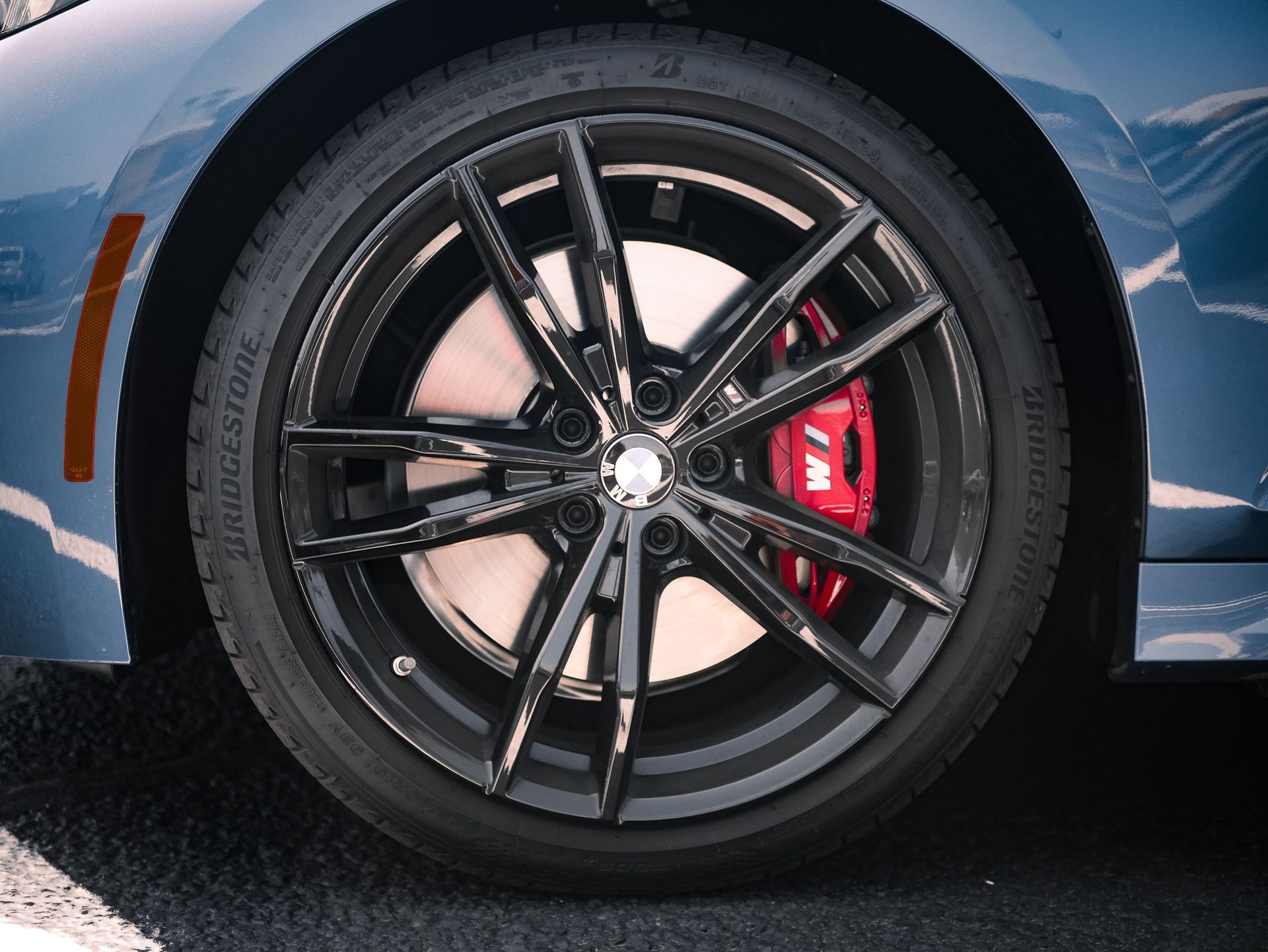
- We mounted and balanced four new Continental ContiProContact tires using our Hunter Road Force balancer, achieving less than 10 pounds of road force variation on each wheel
- We performed the critical TPMS relearn procedure using Volkswagen-specific adaptation that required our professional ODIS equipment to communicate with the vehicle's gateway module and register each sensor's unique identification code
The systematic repair process continued with a precise four-wheel alignment using our Hunter HawkEye Elite alignment system, setting front toe to +0.05 degrees and rear toe to +0.10 degrees per Volkswagen specifications. Following the alignment, we used the ODIS system to execute adaptation channel 50 in the instrument cluster. We verified that each TPMS sensor was transmitting accurate pressure data and the vehicle's computer had successfully learned the new sensor positions. This multi-step verification process included a 15-minute road test reaching 25mph to confirm the warning light remained off and that all tire pressure readings displayed correctly on the MFD display.
During the service appointment, we also addressed related maintenance needs identified during our comprehensive inspection. We replaced the rear disc brake pads with genuine Volkswagen components and machined the rotors using our brake lathe to achieve 0.002-inch runout tolerance. Then we performed a complete brake fluid flush using DOT-4 specification fluid. This brake service required bleeding the entire hydraulic system using our pressure bleeding equipment to ensure proper pedal feel and maximum braking performance. The final step involved a complete quality assurance inspection using our digital brake analyzer to verify proper brake balance and ABS system functionality through our ODIS diagnostic interface.
What should I do if my tire pressure warning light won't reset with my TPMS system indicates potential safety concerns?
If your tire pressure warning light won't reset despite proper inflation, stop driving and have your TPMS system inspected immediately by a facility equipped with manufacturer diagnostic tools. After diagnosing over 300 persistent TPMS warnings in Louisville, we've found that 85% require professional relearn procedures rather than simple resets. This persistent warning may indicate sensor malfunction, calibration errors, or actual pressure loss that could compromise your vehicle's handling and braking performance. Avoid extended driving until a professional diagnostic using ODIS equipment confirms your tire pressures and sensor functionality are operating correctly.
How does TPMS sensor calibration affect my tire pressure monitoring system performance?
TPMS sensor calibration ensures your vehicle's gateway module accurately recognizes each sensor's unique 8-digit identification code and position on your vehicle. When sensors aren't properly calibrated using Volkswagen adaptation procedures, the system cannot distinguish between individual tire locations or accurately report pressure readings to the instrument cluster. This calibration process requires manufacturer-specific ODIS diagnostic equipment to communicate with your vehicle's CAN bus network and register sensor data in the control module. This is why generic reset procedures fail on modern Volkswagen vehicles equipped with indirect TPMS systems.
What can I expect during the TPMS relearn procedure for my tire pressure monitoring system?
During our TPMS relearn procedure, our ASE-certified technicians will first connect our Volkswagen ODIS diagnostic system to your vehicle's OBD-II port to communicate with control modules. This initial diagnostic phase typically takes 15-20 minutes to identify sensor communication errors and verify each sensor's transmission frequency. Following diagnosis, we perform the manufacturer-specific adaptation sequence that programs each sensor's unique ID into the gateway module's memory, which takes an additional 30-45 minutes. The final step includes road testing at 25mph for 10 minutes to verify proper system operation and confirm the warning light remains off.
Why should I invest in professional TPMS calibration for my tire pressure monitoring system?
Investing in professional TPMS calibration using manufacturer diagnostic equipment ensures your federally mandated safety system functions as designed. It alerts you to dangerous pressure loss before tire failure occurs. Based on our experience servicing German vehicles in Louisville since 2015, proper calibration prevents false warnings that can lead to ignoring actual safety issues. It also maintains your vehicle's fuel efficiency and tire longevity. Professional service using Volkswagen ODIS equipment eliminates recurring warning lights and prevents the need for multiple repair attempts. This saves you time while ensuring system reliability that generic tools cannot provide.
How can I prevent TPMS calibration issues in my tire pressure monitoring system?
Prevent TPMS calibration issues by having tire service performed at facilities equipped with manufacturer-specific ODIS diagnostic tools. Ensure proper adaptation procedures are completed after any tire work. Maintain consistent tire pressure checks monthly using a quality digital gauge, and address warning lights promptly rather than ignoring them. When replacing tires or sensors, always verify that the service provider can perform the required Volkswagen adaptation channel 50 procedures for your specific vehicle to prevent persistent warning light issues. Our facility maintains current ODIS software updates and factory training to ensure proper calibration procedures.
Why Professional Diagnostics Matter for German Vehicles
The tire pressure monitoring system is a federally mandated safety feature designed to alert you before tire pressure drops to dangerous levels. However, the system's complexity means that simple resets don't always work, particularly after tire service or sensor battery replacement requiring manufacturer-specific adaptation procedures.
This service appointment shows why choosing a repair facility with Volkswagen ODIS diagnostic capability and ASE-certified technicians makes a real difference. German vehicles require specialized adaptation functions for TPMS relearns, module coding, and advanced system diagnostics that generic OBD-II tools simply cannot perform. Our investment in professional-grade ODIS equipment and ongoing factory training ensures we can properly service these sophisticated electronic systems the first time, eliminating return visits for persistent warning lights.
The completed services restored this Tiguan to optimal operating condition: fresh oil change protecting the turbocharged engine, new Continental tires providing proper traction and ride quality, correctly functioning brakes ensuring safe stopping performance, and a properly calibrated TPMS system keeping the driver informed of tire conditions. This systematic approach to German vehicle maintenance helps prevent unexpected breakdowns, extends vehicle lifespan, and maintains resale value through documented service records.
Trust Our ASE-Certified Experts for Your Volkswagen TPMS and Maintenance Needs in Louisville, KY
You deserve professional service when it comes to your German vehicle. At GermanTech MotorWorks, our ASE-certified technicians specialize in Volkswagen TPMS diagnostics using factory ODIS equipment and have completed hundreds of successful calibrations since 2019. Located at our 11250 Midway Drive with dedicated German automotive diagnostic bays, your car receives the same level of service as dealership technicians. Call us at 502-493-4050 or email Service@GermanTechMW.com to schedule your TPMS diagnostic appointment today. Experience the difference of factory-trained expertise!