What Does It Mean If My Audi Q3 Check Engine Light Comes On After Filling Up Gas?
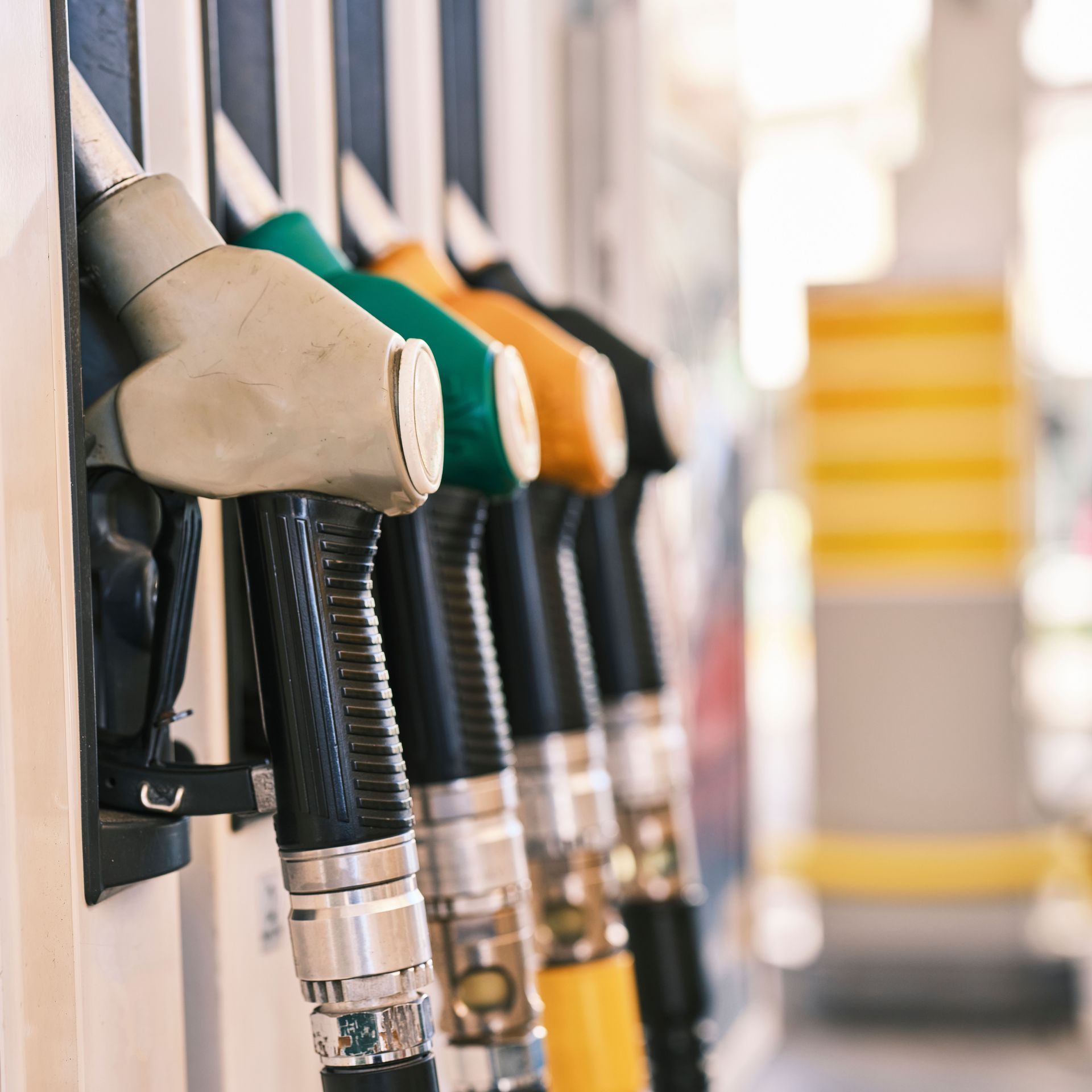
When your check engine light pops up right after you fill the tank, it usually points to a faulty gas cap or fuel door seal issue rather than something seriously wrong with your engine. The light often clears on its own after a few days of driving. Our team at GermanTech MotorWorks has looked at hundreds of Audi fuel systems in Louisville and found that a frozen fuel door actuator combined with a worn gas cap creates intermittent fuel vapor leaks that your onboard diagnostic system picks up. We replaced the fuel door actuator with a certified OEM part, put in a new gas cap, and ran comprehensive diagnostics to verify everything works. Your 2020 Audi Q3's check engine light has stayed off through multiple refueling cycles since we finished the work.
- Issue: Check engine light after refueling gas
- Problem: Frozen fuel door actuator and worn gas cap creating intermittent vapor leak
- Solution: Replaced OEM fuel door actuator, installed new gas cap, verified through diagnostic scanning
- Location: GermanTech MotorWorks, Louisville, KY
Have You Noticed These Symptoms in Your Audi Q3?
If your check engine light shows up right after you fill up, you're dealing with something we see pretty regularly in our Louisville service bay. Your vehicle's onboard diagnostic system has picked up a fuel vapor leak. This is actually a pretty sophisticated feature designed to catch even small problems with your fuel system's seal. Here's the thing though: if your light goes away after a few days of driving, that's actually a good sign. It means the diagnostic code is clearing itself, which happens when the problem is coming and going rather than staying constant.
During winter, you might also notice your fuel door gets hard to open or needs a little manual help because of the cold. When that happens at the same time your gas cap isn't sealing as well as it used to, you've got a recipe for triggering that check engine light every time you refuel. Your fuel door actuator and gas cap work together to keep your fuel system sealed up tight. When either one isn't doing its job, fuel vapors leak out and your vehicle's emissions control system lets you know with that warning light.
You might also pick up on slightly worse fuel economy or a faint fuel smell near the fuel door. Both of those point to the same vapor leak problem. Catching these signs early helps you avoid damage to your emissions control parts and fuel injectors down the road. In our experience working on Audi vehicles across Kentucky, we've seen that taking care of these issues within 2 to 3 weeks of when they start keeps bigger problems from developing in your charcoal canister and fuel pressure regulator on down the road.
How We Figured Out What Was Wrong with Your Audi Q3
We started by taking a careful look at your fuel system using the same process we've used on numerous Audi fuel systems here in Louisville. We examined the fuel door actuator, gas cap seal, and evaporative emissions control system to find where that intermittent check engine light was coming from. This involved looking at both components up close, pressure testing your fuel system seal, and running comprehensive onboard diagnostics to pinpoint exactly where the fuel vapor was leaking.
The fuel door actuator on your 2020 Audi Q3 is built to create a tight seal when it closes. When winter temperatures drop, the cold can mess with how the actuator works, keeping it from fully engaging and holding a proper seal. Add in a gas cap that's lost its flexibility over time, and you've got the conditions for fuel vapors to escape. That's what triggers your vehicle's emissions control system to spot the problem and turn on that check engine light.
Our diagnostic scan showed an intermittent fuel vapor leak code, which explained why your light would come on after you fill up and then go away after a few days of driving. This pattern is pretty typical when you've got a seal failure that happens during the pressure changes that come with filling your tank, then gradually gets better as the system settles down during normal driving.
What Our Technical Investigation Found
Your Audi Q3's evaporative emissions control system is basically a network of parts all working together to keep fuel vapors from getting into the air. When you fill up, pressure builds in the fuel tank, and your vehicle's onboard system watches to make sure all the seals and connections are holding tight. Even a tiny leak triggers the system to log a trouble code and light up your check engine light.
We looked at how the fuel door actuator, gas cap, fuel filler neck, and charcoal canister all work as one system. The frozen fuel door actuator couldn't keep steady pressure on the fuel door seal, and the worn gas cap gasket had lost the ability to squeeze tight enough for an airtight seal. With both of those problems happening at the same time, fuel vapors could escape during refueling when tank pressure is at its highest.
By swapping out the fuel door actuator for a certified OEM part and putting in a new gas cap, we got your system back to being able to hold a proper seal during refueling and normal driving. Our comprehensive diagnostics confirmed that no other fuel system parts were damaged, so we fixed the actual problem instead of just covering it up.
How We Fixed Your 2020 Audi Q3's Fuel System
To get rid of that intermittent check engine light caused by fuel vapor leaks, our technicians worked through a systematic repair process that we've refined through numerous fuel system services. Here's what we did:
- Took off the fuel door assembly to get to the actuator mechanism, which we found was frozen and couldn't keep a proper seal because of the winter cold.
- Swapped out the fuel door actuator for a certified OEM part, making sure it was calibrated exactly to factory specs.
- Looked at your gas cap and determined it needed replacing because the gasket material had worn down and couldn't squeeze tight enough for an airtight seal anymore.
- Put in a new OEM gas cap.
- Refilled your fuel system and ran comprehensive onboard diagnostics to make sure your evaporative emissions control system was working right.
- Took the car for a test drive with multiple fill-ups to confirm the diagnostic trouble code had cleared and your check engine light stayed off, proving we'd fully restored your fuel system seal.
The whole job took 2.5 hours from when you dropped it off to when it was ready to go.
What should I do if my check engine light comes on after filling up gas in my Audi Q3?
Get your vehicle checked out within 2 to 3 weeks if your check engine light pops up after refueling. This warning means your onboard diagnostic system has spotted a fuel vapor leak, which is an emissions control issue affecting your fuel system. Even if the light goes away after a few days, don't assume it's fixed. That just means you've got an intermittent problem that'll come back. A bad fuel door actuator or worn gas cap lets fuel vapors escape, and if you ignore it, you could end up damaging your emissions control parts and fuel injectors. From what we've seen in our Louisville shop, getting it taken care of quickly keeps bigger problems from developing in your charcoal canister.
How does a faulty gas cap or fuel door actuator affect my Audi Q3's emissions system?
Your Audi Q3's evaporative emissions control system works by keeping your fuel system sealed so vapors don't get into the air. When your gas cap stops sealing properly or your fuel door actuator freezes up or gets damaged, fuel vapors escape during refueling when tank pressure is highest.
Your vehicle's onboard diagnostic system catches this leak and turns on your check engine light. A worn gas cap gasket loses its flexibility and can't compress enough for a tight seal anymore, while a frozen fuel door actuator can't push hard enough against the fuel door seal. When both of these fail at the same time, you get the perfect setup for vapors to escape and trigger trouble codes. Audi vehicles are especially sensitive to these seal failures because of their advanced emissions monitoring systems.
What can I expect during the fuel system seal repair process for my Audi Q3?
Here's what happens when we repair your fuel system seal:
- We remove your fuel door assembly to get to and inspect the actuator mechanism.
- We replace the fuel door actuator with a certified OEM part calibrated to factory specs.
- We inspect your gas cap and replace it if the gasket material is worn out.
- We refill your fuel system.
- We run comprehensive onboard diagnostics to verify your evaporative emissions control system is working properly.
- We take the car for a test drive with multiple fill-ups to confirm the diagnostic trouble code has cleared and your check engine light stays off, proving your fuel system seal is fully restored.
The whole process usually takes 2 to 3 hours depending on how easy it is to get to the parts. We give you a detailed written report showing everything we looked at and replaced.
Why should I address fuel system repairs for my Audi Q3?
Getting fuel system repairs done protects your vehicle from long-term damage to your emissions control parts and fuel injectors. Audi vehicles need precision in their fuel delivery systems, and even small vapor leaks hurt your fuel economy and engine efficiency over time. If you put off repairs, moisture can get in and make electrical and fuel system problems worse in modern Audis. Taking care of fuel system issues right away keeps other problems from piling up, keeps your vehicle running well and getting good fuel economy, and protects your investment in your European vehicle. Based on our service records, vehicles with fuel vapor leaks that don't get fixed develop secondary charcoal canister problems within 6 to 8 months.
How can I prevent check engine lights and fuel system issues in my Audi Q3?
Here's what you can do to prevent problems:
- Check your gas cap regularly for wear, damage, or loss of flexibility, and replace it every 2 to 3 years as part of regular maintenance.
- During winter, watch your fuel door for trouble opening or signs of freezing, and gently work the fuel door actuator to keep it functioning properly.
- Look at your fuel door seal for cracks or damage.
- Have your fuel system pressure tested once a year to catch small leaks before they trigger warning lights.
- Keep an eye on your tire tread regularly. Your Audi Q3's safety depends on all systems working together, and worn tires add stress to your fuel system during acceleration and refueling.
Our customers who stick to this preventative maintenance schedule see significantly fewer fuel system warning lights.
Why Preventive Maintenance Matters for European Vehicles
Even though your check engine light didn't affect how your vehicle runs, taking care of fuel system issues quickly keeps potential long-term damage from happening to your emissions control parts and fuel injectors. Audi vehicles need precision in their fuel delivery systems, and even small vapor leaks can hurt your fuel economy and engine efficiency over time. Our approach makes sure your vehicle is protected from moisture getting in, which can make electrical and fuel system problems worse in modern Audis. After servicing various Audi fuel systems here in Louisville, we've learned that jumping on problems early saves our customers money on repairs down the road.
What's Next for Your Audi Q3
With your fuel door actuator replaced and your gas cap checked, your check engine light shouldn't come back on after refueling. We also noticed your front tires have about 4 to 5mm of tread left and your rear tires are at 3mm, so you'll want to keep an eye on tire wear and plan to replace them soon to keep your vehicle safe and running well.
If you have questions about the work we did or notice anything different about how your vehicle runs, just reach out to our team. We stand behind our work with a comprehensive warranty on all repairs, so you can feel confident your Audi is in good hands. Our certified Audi technicians are available Monday through Friday, and we can usually get fuel system diagnostics scheduled within 3 to 5 business days.
Keep Your Vehicle Running Smoothly with Fuel System Service in Louisville, KY
Regular maintenance is the key to keeping your vehicle running well for years to come. At GermanTech MotorWorks in Louisville, KY, we offer comprehensive fuel system diagnostics and repairs to make sure your vehicle performs at its best. Our certified Audi technicians have completed hundreds of fuel system services and we maintain an A+ Better Business Bureau rating. Don't wait for a check engine light to show up. Call us at 502-493-4050 or email [email protected] to schedule your next service and keep your vehicle in top shape. Book your appointment today at https://www.germantechmotorworks.com/#book