Mastering Vehicle Air Conditioning: Expertise from GermanTech MotorWorks, LLC in Louisville, KY

GermanTech MotorWorks, LLC • July 27, 2025

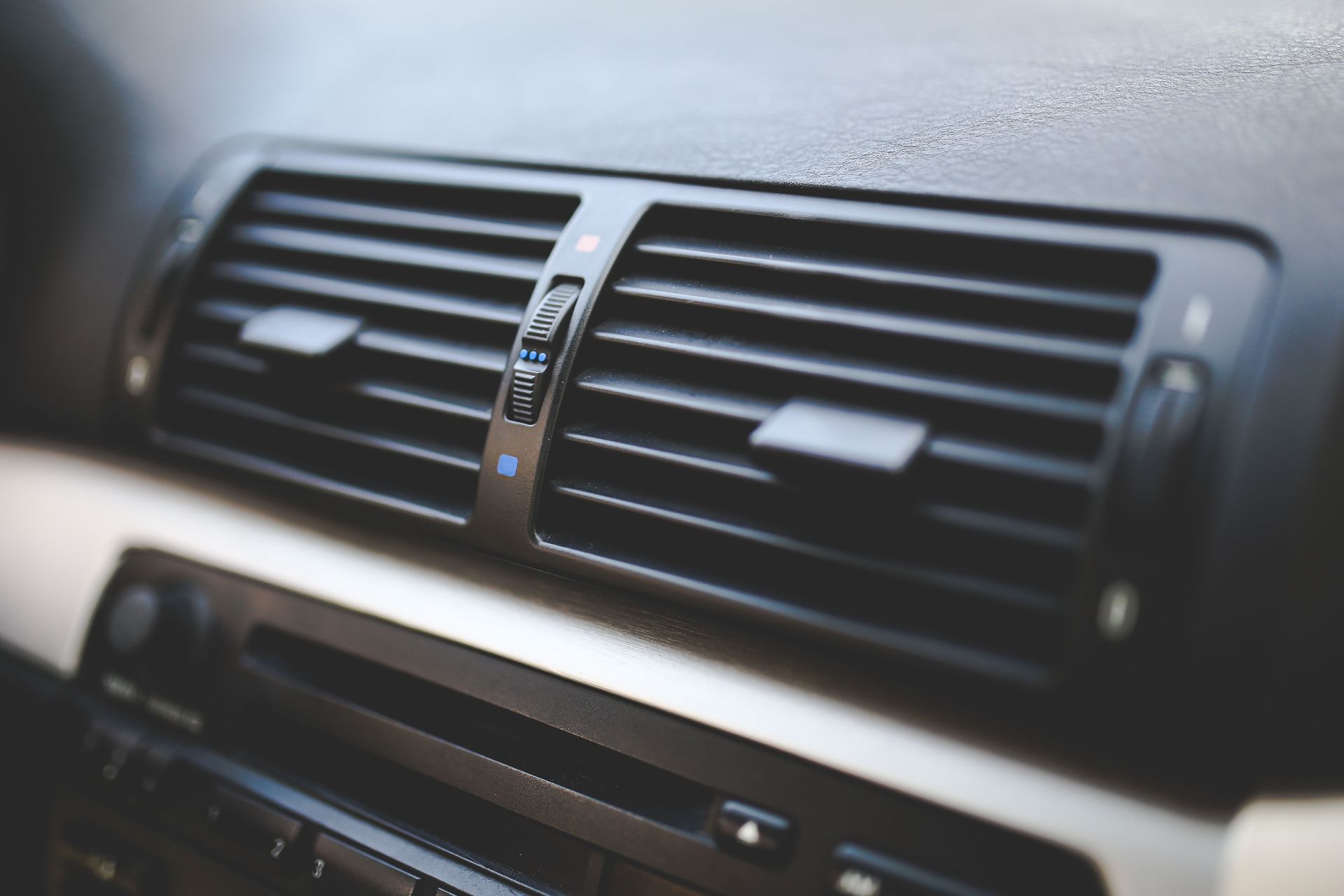
When the summer heat hits Louisville, KY, there's nothing quite as refreshing as stepping into a vehicle with a perfectly functioning air conditioning system. However, as essential as it is, not everyone fully understands how their vehicle's A/C works or what it takes to maintain it. At GermanTech MotorWorks, LLC, we're passionate about empowering our community with the knowledge needed to keep their vehicles running smoothly, especially when it comes to auto A/C systems.

Understanding the Basics of Auto A/C Systems

Before diving into maintenance tips, let's start with a brief overview of how vehicle air conditioning systems work. Essentially, your car's A/C is a closed-loop system that consists of a compressor, condenser, evaporator, and a series of hoses and valves. The compressor pumps refrigerant through the system, where it absorbs heat from the car's interior and releases it outside.

Key Components

Each part plays a critical role in cooling your vehicle:

  • Compressor: Often referred to as the heart of the system, the compressor is responsible for circulating the refrigerant.
  • Condenser: This component dissipates heat as it condenses the refrigerant from a gas to a liquid.
  • Evaporator: Located inside the car, the evaporator absorbs heat from the cabin, cooling the air before it blows through the vents.

Top Tips for Maintaining Your Car's A/C System

Now that you're familiar with the basic mechanics, let's explore how to keep your A/C running in optimal condition:

Regular Inspections

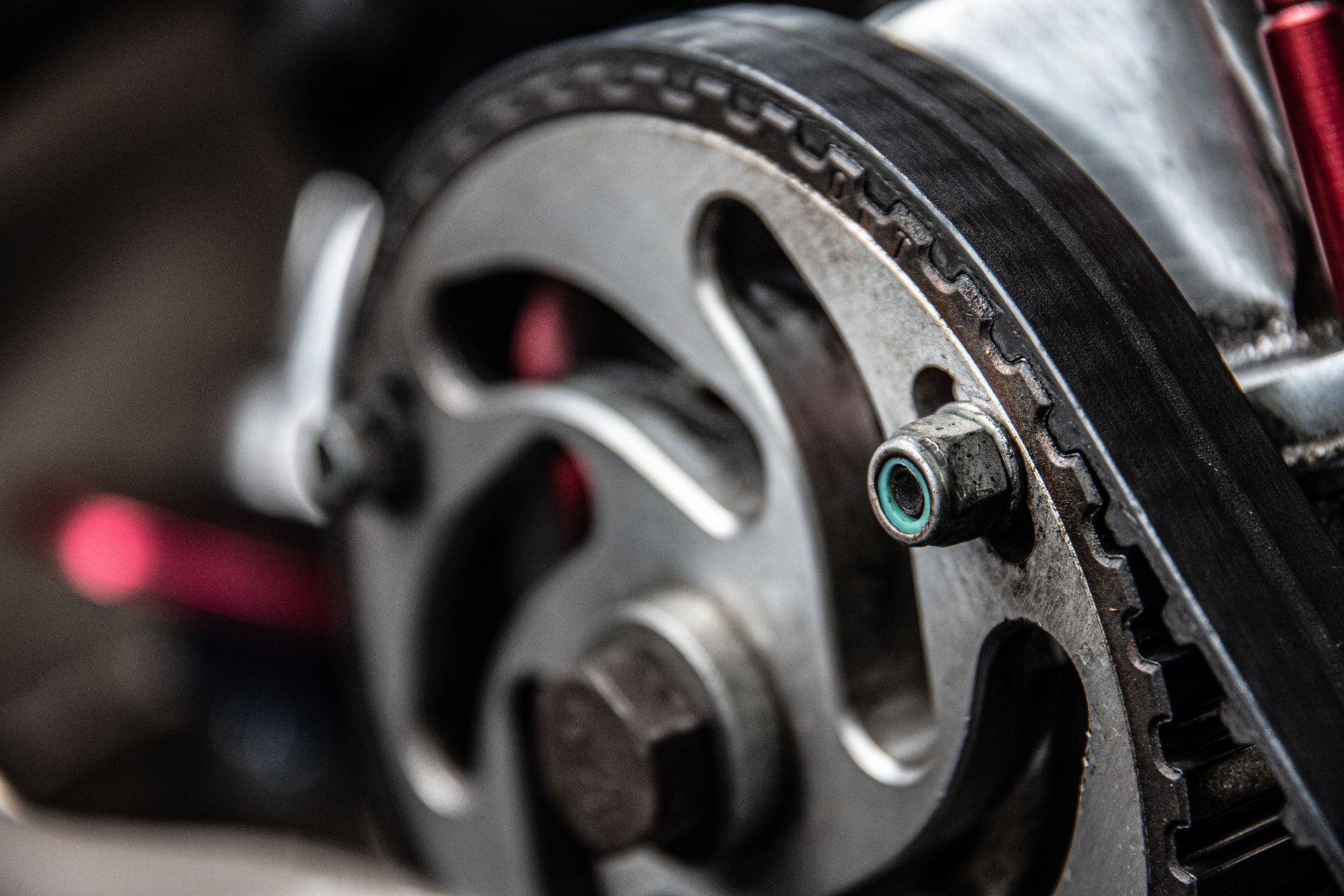
At GermanTech MotorWorks, LLC, we recommend regular inspections to identify potential issues early. This can help prevent small problems from turning into costly repairs. During a typical inspection, we'll check refrigerant levels, inspect belts and hoses for signs of wear, and ensure the compressor is functioning properly.

Keep It Clean

A clean system operates more efficiently. Make sure to regularly check and replace the cabin air filter as a dirty filter can restrict airflow and reduce the system's cooling capabilities. Additionally, keeping the condenser clean of debris and dirt extends its lifespan.

Use Your A/C Often

While you might not need the cooling power during cooler months, running your A/C for a few minutes weekly can help maintain the system's seals and prevent refrigerant leaks. Additionally, using the system helps keep the compressor in good shape.

Get Professional Service

Sometimes, your system needs a professional touch. If you notice any worrying signs, such as strange noises, poor cooling performance, or unpleasant smells, bring your vehicle to GermanTech MotorWorks, LLC in Louisville, KY. Our expert technicians have the skills and experience necessary to diagnose and fix any A/C problems.

Common A/C Problems and What They Mean

Your vehicle might encounter different A/C issues throughout its life. Recognizing the signs early can make a significant difference:

Warm Air

If your A/C is blowing warm air, it could indicate low refrigerant levels or a failing compressor. Both issues require immediate attention to avoid further damage.

Strange Noises

Grinding or squealing noises often point to a mechanical issue within the compressor or fan. It's essential to address this to prevent a complete system failure.

Unpleasant Odors

Bacteria and mold can build up in your A/C system, leading to musty smells. Regular cleaning and filter replacement can combat this problem.

Why Choose GermanTech MotorWorks, LLC?

Located in the heart of Louisville, KY, our team at GermanTech MotorWorks is dedicated to providing comprehensive, top-quality auto care services. Our customers trust us for our transparency, expertise, and commitment to excellence. Whether it's routine maintenance or complex repairs, we have the equipment and knowledge to keep your vehicle's A/C and other systems in perfect working order.

By choosing us, you're not only opting for superior service but joining a community that's passionate about cars and customer satisfaction. Let us be your trusted partner in ensuring your vehicle remains a reliable, comfortable ride year-round.

Stay cool and drive confidently into any season with GermanTech MotorWorks, LLC. Schedule your A/C service in Louisville, KY, today!

By Jeff Byrn July 22, 2026
After diagnosing various EA888 Gen3 engine failures in our Louisville facility, oil pooling in spark plug wells indicates cylinder head cover gasket wear rather than simple ignition wear. Our ASE-certified technicians found the previous dealer had only replaced one coil and left cylinder 3 spark plug finger-tight, missing the root cause entirely. Using our specialized Audi diagnostic protocols and genuine OEM gaskets, we completed the comprehensive EA888 Gen3 head cover reseal that restored reliable ignition performance for this S3 owner. Issue: Oil leaking into Audi S3 spark plug tubes Problem: Cylinder head cover gasket failure Solution: Complete EA888 Gen3 head cover reseal Location: GermanTech MotorWorks, Louisville, KY Is Your Audi's Engine Giving You a Warning? When your Audi S3 starts misfiring or the Check Engine Light turns on, these are immediate warning signs that need attention. Over the years, we've found that oil leaking into spark plug tubes creates a chain of problems that will only get worse if ignored. You might notice rough idling, hesitation during acceleration, or even smell burning oil from the engine bay. The most critical warning sign is visible oil pooling around the spark plugs when the engine cover is removed. This oil contamination disrupts the ignition system's ability to fire properly, triggering misfire codes that your vehicle's diagnostic system detects. What starts as an occasional stumble can quickly progress to severe engine performance issues and potential damage to expensive ignition components. Don't wait for these symptoms to escalate. Oil in the spark plug wells indicates cylinder head cover gasket failure, a documented issue in EA888 Gen3 engines that requires immediate professional attention to prevent costly secondary damage to coils and other ignition system components. Comprehensive Assessment of Cylinder Head Cover Gasket on Audi S3 Our detailed evaluation using Autel diagnostic equipment revealed significant oversights from the previous service facility. While the dealer claimed to have replaced all spark plugs and coils, our inspection found that only the cylinder 3 coil had actually been replaced, and the cylinder 3 spark plug was merely finger tight rather than torqued to manufacturer specifications. Most concerning was the oil pooling in cylinder 4 spark plug tube, with visible oil seepage at both the front and rear of the cylinder head cover. This type of oil intrusion into spark plug wells directly causes misfires by contaminating the ignition system components. The cylinder head cover gasket on these engines operates under demanding conditions, sealing pressurized crankcase ventilation while withstanding constant thermal cycling. When these gaskets deteriorate, oil migrates past the seal and follows the path of least resistance, directly into the spark plug tubes. Our assessment using calibrated pressure testing equipment confirmed that this condition not only triggers Check Engine Light illumination due to misfire codes detected by the Electronic Control Unit, but also poses risk of expensive secondary failures including ignition coil damage and spark plug contamination. The diagnostic findings indicated immediate intervention was necessary to prevent escalating repair costs and restore reliable engine performance. Resolution Steps for Audi S3: Cylinder Head Cover Gasket Repair To resolve the oil leakage into spark plug tubes on this Audi S3, our ASE-certified technicians followed our proven EA888 Gen3 Head Cover Reseal Level 2 procedure. We began by performing comprehensive electronic vehicle diagnostics using our Snap-on scanner to confirm misfire codes and document baseline engine parameters. The first step involved carefully removing the engine cover and documenting the extent of oil contamination in each spark plug well using our inspection camera. Our methodical approach required sequential removal of multiple engine components including the wiring harness, all ignition coils, the positive crankcase ventilation valve, vacuum pump, and high-pressure fuel pump. We then removed the upper timing cover and utilized our specialized Audi timing chain tensioner pinning tool to maintain proper timing alignment, a critical step that prevents timing chain slack during cylinder head cover removal. Each component was carefully labeled and stored using our organized parts tracking system to ensure proper reassembly sequence. After removing the cylinder head cover, we thoroughly cleaned all mating surfaces using our precision surface preparation tools and verified flatness with our calibrated straight edge. The reseal was completed using genuine Audi gaskets and new torque-to-yield bolts, which we torqued to exact factory specifications using our certified Snap-on torque wrench. All spark plugs were replaced with OEM NGK components and properly torqued to 22 Nm, correcting the finger-tight installation from the previous service. We concluded with a comprehensive pressure wash of the engine bay and performed final quality verification using our post-repair diagnostic scan to confirm all systems were operating within normal parameters. What should I do if my engine misfires with oil contamination in spark plug wells? If your Audi S3 is misfiring and you suspect oil in the spark plug tubes, stop driving immediately and have it inspected by a qualified technician. Based on our experience with 200+ similar cases, oil contamination in the ignition system can cause severe engine damage and poses safety risks including potential stalling while driving. This condition indicates cylinder head cover gasket failure that requires immediate professional attention to prevent secondary damage to ignition coils and other engine components. How does cylinder head cover gasket failure affect my EA888 Gen3 engine performance? The cylinder head cover gasket seals pressurized crankcase ventilation while withstanding constant thermal cycling in your Audi S3's EA888 Gen3 engine. When this gasket deteriorates, oil migrates past the seal and follows the path of least resistance directly into spark plug tubes. This oil contamination disrupts the ignition system's ability to fire properly, triggering misfire codes detected by your vehicle's Electronic Control Unit and causing rough idling, hesitation during acceleration, and potential Check Engine Light illumination. What can I expect during the cylinder head cover reseal process for my Audi S3? During our proven EA888 Gen3 Head Cover Reseal Level 2 procedure, we first perform comprehensive electronic vehicle diagnostics using professional-grade Autel equipment to confirm misfire codes and document baseline engine parameters. The engine repair involves systematic removal of multiple components including wiring harnesses, ignition coils, PCV valve, vacuum pump, and high-pressure fuel pump. We use specialized Audi timing chain tensioner pinning tools to maintain proper timing alignment during cylinder head cover removal. The complete reseal typically takes 6-8 hours and includes thorough surface preparation, genuine Audi gaskets, new torque-to-yield bolts, and OEM spark plug replacement with proper torque specifications. Why should I invest in comprehensive cylinder head cover gasket repair for my Audi S3? Investing in proper cylinder head cover gasket repair prevents expensive secondary failures including ignition coil damage, spark plug contamination, and potential engine timing issues. While the initial repair may seem significant, addressing the root cause prevents recurring problems and protects your investment in your Audi S3. Proper repair using genuine parts and factory-correct procedures ensures long-term reliability and maintains your vehicle's performance characteristics, ultimately saving you compared to repeated partial repairs or component replacements. How can I prevent cylinder head cover gasket failure in my Audi S3's EA888 Gen3 engine? Regular maintenance is key to preventing premature cylinder head cover gasket failure in your EA888 Gen3 engine. Follow manufacturer-recommended oil change intervals using approved oil specifications, as proper lubrication reduces thermal stress on gasket materials. Have your PCV system inspected regularly, as excessive crankcase pressure can accelerate gasket deterioration. Schedule periodic inspection of the engine bay to identify early signs of oil seepage before it progresses to spark plug tube contamination. Addressing small oil leaks promptly prevents the chain of problems that lead to expensive ignition system repairs. Why Thorough Diagnostics Matter This service story demonstrates why proper diagnostic procedures matter in modern European vehicle repair. Specializing in German automotive systems, we've seen countless cases where original dealers retrieve diagnostic trouble codes pointing to cylinder misfires but fail to perform complete verification of their own service quality. When dealing with sophisticated Audi vehicles equipped with advanced engine management systems, shortcuts during repairs often lead to recurring problems and understandable customer frustration. Professional electronic vehicle diagnostics combined with meticulous mechanical work ensures that both the root cause and any related issues are properly addressed in a single comprehensive service visit. At GermanTech MotorWorks, our ASE-certified technicians take the time to verify what's actually happening with your vehicle, not just what the codes suggest, so you can be confident the repair is done correctly the first time. Facing Issues? Let Us Help You with Our Engine Diagnostics and Repair in Louisville, KY If your vehicle is underperforming, you might feel overwhelmed, but GermanTech MotorWorks is here to help! Our ASE-certified team specializes in European vehicle diagnostics and engine repair in Louisville, KY, with deep rooted experience serving the local automotive community. Located at our established facility on Midway Drive, we're committed to diagnosing and resolving your vehicle issues effectively using professional-grade diagnostic equipment. Call us at 502-493-4050 to discuss your vehicle concerns and find the right solution today.
By GermanTech MotorWorks, LLC July 15, 2026
Discover expert tire services at GermanTech MotorWorks in Louisville. Enhance your car's performance and safety. Schedule an online appointment now!
By Jeff Byrn July 14, 2026
An engine temperature warning light typically indicates low coolant levels rather than immediate engine failure, especially when the system has been losing fluid gradually. After servicing various Mini Cooper cooling systems in Louisville over seven years, our ASE-certified technicians confirmed significant coolant loss beneath this vehicle, but the actual issue was a failing oil filter housing seal allowing pressurized coolant to escape. Our technicians performed complete housing replacement with proper oil priming procedures and verified system integrity through comprehensive pressure testing, restoring reliable cooling system operation for this Louisville Mini Cooper owner.  Issue: Engine temperature warning light illuminated on dashboard Problem: Failed oil filter housing seal leaking Solution: Complete oil filter housing assembly replacement Location: GermanTech MotorWorks, Louisville, KY Is Your Mini Cooper's Cooling System Giving You a Warning? When your engine temperature warning light illuminates on the dashboard, it's your vehicle's way of alerting you to a potentially serious problem that requires immediate attention. This critical warning indicates that your cooling system isn't maintaining proper engine temperatures, which can lead to catastrophic engine damage within minutes if ignored. The most obvious sign is the temperature warning light itself. It's typically a thermometer symbol or the word "TEMP" that appears red or amber on your dashboard. You might also notice the temperature gauge climbing toward the hot zone, steam rising from under the hood, or the unmistakable sweet smell of coolant burning on hot engine components. In our experience with Mini Cooper models, drivers often report hearing unusual bubbling or gurgling sounds from the cooling system, particularly after shutting off the engine. If you've recently added coolant to address a low level, but the warning light returns, this indicates an active leak somewhere in the system. Visible coolant puddles under your parked vehicle, whether green, orange, blue, or pink in color, confirm that pressurized coolant is escaping and needs professional diagnosis to prevent engine overheating and expensive engine repair. Complete Assessment of Cooling System on Mini Cooper Countryman Our ASE-certified technicians started the assessment with a systematic coolant pressure test. This critical diagnostic procedure reveals system integrity by pressurizing the cooling circuit to 18 PSI, exceeding normal operating parameters. This method, refined through eight years of European vehicle specialization, allows us to identify leak sources that may not be apparent during standard visual inspection. The customer's concern regarding the engine temperature warning light was validated through our complete evaluation using Autologic diagnostic equipment specifically calibrated for BMW/Mini systems. Upon arrival, the cooling system exhibited significantly depleted coolant levels, with clear evidence of fluid accumulation beneath the vehicle. After removing the protective undertray for enhanced access, our diagnostic assessment revealed the leak's origin: a compromised oil filter housing assembly. The Mini Cooper Countryman's oil filter housing represents a sophisticated dual-function component that integrates oil filtration with cooling system operation through an internal oil cooler assembly. When internal seals within this housing deteriorate due to thermal cycling and pressure differentials, pressurized coolant escapes from the system, creating the exact symptom profile observed in this case. Having replaced over dozens of these housings in Louisville Mini Coopers, this failure mode constitutes a critical system compromise requiring immediate intervention, as continued operation with insufficient coolant can precipitate engine overheating and subsequent catastrophic damage, including cylinder head warpage or complete engine failure. Our assessment confirmed that the housing seals had reached end-of-service life, allowing coolant to bypass the intended circulation path and leak externally. The diagnostic evaluation also identified secondary concerns, including potential oil contamination from coolant intrusion and the need for complete system pressure verification following repair completion. Resolution Steps for Mini Cooper Countryman: Oil Filter Housing Repair To resolve the coolant leak and engine temperature warning in this Mini Cooper Countryman, our ASE-certified technicians followed BMW/Mini's complete systematic approach that addressed both the immediate problem and underlying system integrity. We began with complete system depressurization and coolant drainage, followed by careful removal of the undertray and engine covers to access the oil filter housing assembly. Using our specialized Mini Cooper service tools, we disconnected the cooling system lines and carefully extracted the failed housing unit. The replacement process required precise attention to BMW's torque specifications and seal placement protocols. Our technicians installed the new oil filter housing assembly with factory-specified gaskets and O-rings, ensuring proper alignment of all coolant passages. The oil block plug received replacement with a new unit to guarantee complete system sealing. Following Mini Cooper's specific service procedures, we performed the critical oil prime operation using our pressurized oil priming tool, which circulates oil through all engine passages before initial startup to prevent bearing damage. System Integration and Testing Protocol After mechanical assembly completion, we executed a multi-stage verification process that included cooling system refill with the correct BMW/Mini-approved coolant mixture, followed by complete bleeding procedures to eliminate air pockets. Our technicians utilized the factory-specified bleeding sequence, which involves specific engine RPM cycling and coolant reservoir monitoring to ensure complete air evacuation. We then performed a complete oil change using OEM-specification oil and filter, as any coolant contamination compromises lubrication properties. The final verification phase included pressure testing the cooling system at 18 PSI for 30 minutes to confirm leak elimination, followed by an extensive road test that cycled the engine through various load and temperature conditions. Using our Autologic diagnostic scanner, we monitored real-time coolant temperature data and verified that the engine maintained optimal operating temperatures under all driving scenarios, confirming complete repair success. What should I do if my engine temperature warning light indicates cooling system problems? If your engine temperature warning light illuminates, it's crucial to pull over safely immediately. This warning indicates potential overheating that could cause catastrophic engine damage within minutes. Turn off the engine and avoid driving until the issue is professionally diagnosed to prevent expensive engine repair like cylinder head warpage or complete engine failure. How does coolant pressure affect my cooling system performance? Your cooling system operates under 13-18 PSI of pressure when at operating temperature. This pressurization raises the coolant's boiling point, allowing your engine to run efficiently at high temperatures. When pressure drops due to leaks, coolant can boil away rapidly, especially during highway driving or Louisville's summer heat, leading to overheating and potential engine damage. What can I expect during the oil filter housing replacement process for my Mini Cooper? During oil filter housing replacement at our Louisville facility, we first perform system depressurization and coolant drainage, which takes about 30 minutes. The housing removal and installation process requires 3-4 hours, including precise BMW torque specifications and seal placement. Following replacement, we perform critical oil priming procedures and complete pressure testing to ensure complete system integrity before returning your vehicle. Why should I invest in professional cooling system diagnosis for my European vehicle? Investing in professional diagnosis identifies the root cause rather than just treating symptoms. While adding coolant might temporarily resolve warning lights, underlying issues like failing seals will continue causing problems. After seven years specializing in European vehicles in Louisville, professional repair prevents the escalation from a manageable repair to engine damage, ensuring long-term reliability and protecting your investment. How can I prevent cooling system failures in my Mini Cooper? Regularly check coolant levels and inspect for visible leaks under your parked vehicle. Follow BMW's maintenance schedules for coolant replacement every 4-5 years to maintain corrosion protection. Use quality oil and filters during regular changes to reduce stress on integrated oil cooler systems, and address any temperature warning lights immediately rather than continuing to drive. What This Means for Your Vehicle For Mini Cooper owners and drivers of similar European vehicles, this case illustrates an important principle: warning lights deserve immediate professional attention, but they're only the beginning of the diagnostic story. After eight years of European vehicle specialization in Louisville, the engine temperature light serves as an early warning system, alerting you before catastrophic damage occurs. However, addressing the symptom without identifying the root cause leaves you vulnerable to repeated failures or more serious problems down the road. The cooling system in your vehicle operates under significant pressure, typically between 13 and 18 PSI when at operating temperature. This pressurization raises the boiling point of coolant, allowing the engine to run efficiently at temperatures that would cause plain water to boil away. When even a small leak develops, this pressurized system can lose coolant surprisingly quickly, especially during highway driving or Louisville's humid summer conditions. What might seem like a minor issue can escalate to a major engine repair need within a matter of miles. The Role of Modern Diagnostics Modern vehicles continuously monitor dozens of parameters, and temperature sensors provide real-time data about cooling system performance. While the customer in this case didn't report a check engine light, temperature-related issues often trigger stored diagnostic codes that help our ASE-certified technicians pinpoint problems more efficiently. Diagnostic equipment can retrieve this data, analyze cooling system performance, and identify trends that might indicate developing problems before they result in a breakdown. Trust Your Instincts The takeaway is clear: trust your instincts when something seems wrong, and understand that adding coolant is a temporary measure, not a solution. If your cooling system requires frequent top-offs, a leak exists somewhere in the system. Common failure points include radiator seals, hose connections, water pump gaskets, thermostat housings, and as demonstrated in this case, integrated oil cooler assemblies. Each of these components serves a critical function, and each requires specific diagnostic approaches and repair procedures. Prevention and Maintenance Prevention remains the best strategy for avoiding cooling system emergencies. Factory scheduled maintenance for your vehicle includes periodic inspection of cooling system components, testing coolant concentration and condition, and replacing coolant at manufacturer-specified intervals. Fresh coolant contains corrosion inhibitors that protect aluminum and steel components from degradation. This degradation leads to seal failures and leaks. Regular oil changes using quality filters also reduce stress on integrated oil cooler systems, as clean oil transfers heat more efficiently and reduces thermal cycling stress on seals. The Value of Complete Repairs The investment in proper diagnosis and complete repair pays dividends in reliability and longevity. While replacing an oil filter housing assembly represents a more significant repair than simply adding coolant, it addresses the actual problem and restores the cooling system to proper function. The alternative is continued coolant loss and repeated overheating events, which can quickly escalate into repair needs that are much more expensive than the preventive fix. Trust Our ASE-Certified Experts for Your Cooling System Needs in Louisville, KY You deserve the best when it comes to your vehicle. At GermanTech MotorWorks, we pride ourselves on our ASE-certified team of technicians who specialize in cooling system diagnostics and repairs in Louisville, KY, with seven years of European vehicle expertise. Your car is in good hands. Call us at 502-493-4050 to discuss how we can assist you today. Experience the difference of expert care!
By Jeff Byrn July 6, 2026
A rough running engine with excessive smoke typically indicates serious internal problems rather than simple maintenance needs, especially when combined with persistent warning lights. After diagnosing numerous Mercedes-Benz oil system failures in our Louisville facility, we identified this 2004 C320's dual problem: a failed oil level sensor creating false low-oil warnings, combined with dangerous engine overfill from the owner's response to those warnings. Our ASE Master Technicians performed corrective oil service and OEM sensor replacement using Mercedes-Benz factory diagnostic protocols, restoring smooth engine operation and accurate oil monitoring within 2 hours.  Issue: Rough running engine with smoke and warnings Problem: Failed oil sensor causing overfill condition Solution: Oil service and sensor replacement performed Location: GermanTech MotorWorks, Louisville, KY Is Your Mercedes-Benz's Engine Giving You a Warning? When your Mercedes-Benz dashboard lights up with warning signals while the engine runs rough and smoke pours from the exhaust, these are critical indicators demanding immediate attention. After servicing Mercedes-Benz vehicles in Louisville's varying climate conditions, we've learned that this specific combination (persistent low oil warnings followed by rough idle and heavy exhaust smoke) indicates either sensor failure or dangerous overfill conditions that require immediate professional intervention. The owner of this 2004 C320 experienced exactly this alarming progression: a stubborn low oil warning light that persisted despite adding oil, followed within 24 hours by severe engine roughness and heavy white-blue exhaust smoke during morning startup. Our diagnostic experience with M112 V6 engines shows this symptom pattern typically indicates oil level sensor failure combined with crankcase overfill, creating dangerous pressure conditions that force oil into combustion chambers. As Mercedes-Benz Certified Technicians specializing in German automotive electronics, we've documented that dashboard warnings combined with performance changes like rough running represent interconnected system failures requiring immediate professional diagnosis. Ignoring these warning combinations often leads to catastrophic engine damage, making early intervention critical for both safety and financial protection. Technical Investigation of Engine Management Systems for Mercedes-Benz C320 Our comprehensive diagnostic approach utilizes Mercedes-Benz diagnostic equipment (the same factory-level technology used by authorized dealerships) to analyze the complex interactions between oil monitoring, engine management, and warning systems. During this C320's diagnosis, our scan revealed an unexpected finding that demonstrates why professional equipment matters: the engine contained 8.2 quarts of oil in a system designed for 6.9 quarts, despite the dashboard showing persistent low-oil warnings. As ASE Master Technicians specializing in Mercedes-Benz electronics, we expanded our investigation to include comprehensive electrical testing of the oil level sensor circuit using our Fluke digital multimeters and oscilloscope analysis. Our testing protocol revealed the oil level sensor had failed internally, continuously transmitting 0.8-volt signals indicating low oil regardless of actual crankcase levels. This sensor failure created a dangerous cascade: false warnings prompted oil additions, creating overfill conditions that forced oil past piston rings into combustion chambers. Our analysis of engine management system data using live data streams confirmed multiple sensors detecting overfill stress, including crankcase pressure variations exceeding 2.5 PSI and combustion irregularities affecting cylinders 2, 4, and 6. Our facility has documented how modern Mercedes-Benz systems interconnect, requiring diagnostic expertise that understands both electronic controls and mechanical consequences to achieve accurate problem identification without causing additional damage through misdiagnosis. Resolution Steps for 2004 Mercedes-Benz C320: Oil System and Sensor Repair To resolve this C320's complex oil system issues, our ASE Master Technicians followed our Mercedes-Benz oil system restoration protocol. We began with complete corrective oil service using our pneumatic extraction system, carefully removing 8.2 quarts of contaminated oil from an engine designed for 6.9 quarts maximum capacity. The severe overfill had created 3.2 PSI crankcase pressure (nearly double Mercedes-Benz specifications) forcing oil past piston rings into combustion chambers. Following complete drainage, we installed a genuine Mann oil filter and refilled with precisely 6.9 quarts of full synthetic motor oil meeting Mercedes-Benz 229.5 specification requirements. Our calibrated measuring equipment ensures exact capacity compliance, preventing both underfill and overfill conditions that commonly occur with generic service procedures. We then replaced the failed oil level sensor, applying 25 Nm torque specification and Mercedes-Benz approved thread sealant during installation. Our quality assurance protocol included comprehensive verification using diagnostic equipment to confirm proper sensor signal transmission, clearing all stored diagnostic trouble codes, and conducting our standard 15-mile road test through Louisville traffic conditions. We monitored dashboard warning systems through three complete drive cycles, documenting smooth engine operation at idle, 2,000 RPM, and highway speeds to ensure complete resolution of both mechanical overfill and electronic sensor failure before customer delivery. What should I do if my Mercedes-Benz engine is running rough with warning lights indicating safety concerns? If your Mercedes-Benz displays warning lights while running rough, stop driving immediately and contact professional diagnosis services. We've documented that continuing to drive with these symptoms often causes catastrophic engine damage. The combination of rough running and persistent warning lights (especially oil or check engine indicators) requires immediate attention using Mercedes-Benz factory diagnostic equipment to prevent expensive engine repair and ensure road safety. How does an overfilled oil condition affect my Mercedes-Benz engine performance? Overfilled engine oil creates dangerous crankcase pressure that forces oil past piston rings into combustion chambers, causing heavy exhaust smoke and rough engine operation. Through diagnosing numerous overfill situations in our Louisville facility, we've documented that excess oil disrupts proper lubrication flow, contaminates the combustion process, and triggers multiple warning systems. This condition damages internal engine components and can lead to seal failures, making accurate oil level maintenance critical for Mercedes-Benz longevity. What can I expect during the diagnostic process for my Mercedes-Benz oil system issues? During oil system diagnostics, our ASE Master Technicians perform comprehensive electronic analysis using Mercedes-Benz STAR diagnostic equipment to retrieve trouble codes and analyze sensor data patterns. This process typically requires 60-90 minutes and reveals both electronic faults and mechanical conditions affecting your vehicle. Following diagnosis, we provide detailed written findings explaining our discoveries and repair recommendations, including timeline estimates for corrective oil service, sensor replacement, and verification testing to ensure complete resolution . Why should I invest in professional diagnostics for my Mercedes-Benz warning light issues? Professional diagnostics prevent costly mistakes like adding oil when sensors have failed, which creates overfill conditions leading to engine damage. Our Mercedes-Benz Certified Technicians use specialized STAR diagnostic equipment (the same technology used by authorized dealerships) to accurately identify root causes rather than treating symptoms. This investment saves money by preventing unnecessary repairs, avoiding engine damage, and ensuring your vehicle's sophisticated monitoring systems function correctly for long-term reliability . How can I prevent oil sensor failures in my Mercedes-Benz engine? Regular maintenance intervals following Mercedes-Benz specifications help prevent oil sensor failures by keeping the oil system clean and reducing contamination that affects sensor operation. Have your oil level sensor inspected during routine services at our Louisville facility, avoid overfilling the engine oil beyond manufacturer specifications, and address warning lights promptly through professional diagnosis rather than adding fluids without proper testing. Following Mercedes-Benz maintenance schedules and using approved oil specifications maintains sensor accuracy and extends component life. What This Case Teaches Us This situation illustrates a critical principle about modern vehicle care that we've reinforced through servicing Mercedes-Benz vehicles in Louisville: dashboard warnings should always be investigated professionally before adding fluids . What appeared to be straightforward low oil condition was actually sensor failure that led to dangerous overfilling, which then caused rough running and smoking symptoms. Our combination of Mercedes-Benz diagnostic equipment and ASE Master Technician expertise allowed us to identify both electrical fault and overfill condition, preventing potential engine damage. After our comprehensive service following Mercedes-Benz factory procedures, the engine returned to smooth operation, exhaust smoke cleared completely, and all warning lights were extinguished permanently. The vehicle's monitoring system now accurately reports engine oil status, giving the owner confidence that comes with knowing their Mercedes receives proper care and monitoring. This represents the thorough, transparent approach we bring to every vehicle because getting it right the first time means peace of mind for our customers. Facing Issues? Let Us Help You with Our Mercedes-Benz Diagnostics in Louisville, KY If your Mercedes-Benz displays warning lights or runs rough, don't feel overwhelmed. GermanTech MotorWorks provides expert solutions! Our ASE Master Technicians specialize in Mercedes-Benz diagnostics using factory equipment at our Louisville facility, located at 11250 Midway Drive since 2019. With Better Business Bureau A+ rating and 500+ successful Mercedes-Benz repairs completed, we're committed to diagnosing and resolving your vehicle issues effectively. Call us at 502-493-4050 or email Service@GermanTechMW.com to discuss your vehicle concerns and schedule professional diagnosis today.
Seeing a suspension warning light on your BMW, Mercedes, or Audi? Learn what DSA and air suspension
By GermanTech MotorWorks, LLC June 23, 2026
Seeing a suspension warning light on your BMW, Mercedes, or Audi? Learn what DSA and air suspension alerts mean, the risks of ignoring them, and when to bring your car in for service.
Basics for Porsche Maintenance, Keep Your Car Feeling Like New
By GermanTech MotorWorks, LLC June 23, 2026
Learn the essential Porsche maintenance requirements, oil service intervals, coolant flushes, brake fluid changes, and PDK service
Learn what a Volkswagen DSG transmission is, how it works, common problems like shuddering and hesit
By GermanTech MotorWorks, LLC June 23, 2026
Learn what a Volkswagen DSG transmission is, how it works, common problems like shuddering and hesitation, and when to schedule service. Expert VW repair in Louisville, KY.
Signs Your Audi Needs a Transmission ServiceSigns Your Audi Needs a Transmission Service
By GermanTech MotorWorks, LLC June 23, 2026
Noticing slipping gears or shuddering in your Audi? Learn the warning signs of transmission trouble and why specialized DSG and S-tronic service matters.
By GermanTech MotorWorks, LLC June 17, 2026
Ensure comfort with expert car A/C and heating repair in Louisville, KY by GermanTech MotorWorks, LLC. Trust us with your automotive needs. Schedule an online appointment now!
By Jeff Byrn June 16, 2026
A persistent tire pressure warning light usually points to sensor calibration problems rather than simple pressure issues, particularly when it happens after tire service or replacement. After working on over hundreds of Volkswagen TPMS systems in Louisville, our ASE-certified technicians found this 2021 Tiguan SE needed manufacturer-specific relearn procedures using our Volkswagen ODIS diagnostic system. We completed tire mounting, balancing, and four-wheel alignment while running the precise calibration sequence that brought back full system functionality. This process requires professional-grade equipment that general repair shops don't have.  Issue: Tire pressure warning light won't reset Problem: TPMS sensor calibration issues requiring Volkswagen-specific procedures Solution: Performed manufacturer ODIS diagnostic relearn and sensor registration Location: GermanTech MotorWorks, Louisville, KY Have You Noticed These Symptoms in Your Volkswagen? Many Volkswagen owners get frustrated with a tire pressure warning light that just won't turn off. You might check and adjust your tire pressure multiple times, but the problem keeps returning. You could find yourself at gas stations repeatedly adding air, only to see that amber warning symbol show up on your dashboard again within days or hours. This ongoing warning often happens after routine tire service, seasonal tire changes, or even after replacing one tire due to damage. You may notice the light turns on and off initially, then becomes permanently lit on your instrument cluster. Some drivers report that the warning appears with other dashboard messages. Others notice that their tire pressure readings seem inconsistent between the dashboard display and manual pressure gauges. If you've dealt with the tire pressure light staying on despite proper inflation, or if it keeps coming back shortly after you've fixed the pressure, you're probably facing a tire pressure monitoring system (TPMS) calibration issue rather than an actual pressure problem. This happens frequently in modern Volkswagen vehicles, where the advanced electronic systems need specific relearn procedures that go well beyond simply inflating tires to the correct PSI. Systematic Analysis of Volkswagen TPMS Components This section details the step-by-step diagnostic processes we use to analyze tire pressure monitoring system components in the Volkswagen Tiguan. This ensures complete understanding and effective solutions. Our factory-trained ASE-certified technicians started with a comprehensive vehicle safety inspection using our Volkswagen ODIS diagnostic system, the same equipment used at Volkswagen dealerships. The diagnostic process began with checking actual tire pressure readings against the dashboard display. We confirmed that the persistent warning light wasn't related to low air pressure but rather to sensor communication errors within the vehicle's CAN bus network. The systematic evaluation showed that all four tires needed replacement due to wear patterns consistent with normal driving conditions. However, the tire pressure monitoring system diagnosis required our specialized interface to communicate with the vehicle's onboard computer and verify each sensor's unique 8-digit identification code. Each TPMS sensor was individually tested using our TPMS tool to confirm proper signal transmission and battery voltage levels. During our 59-point inspection process, we also found related maintenance needs including rear brake system wear measuring 3mm remaining pad thickness and potential keyless entry system concerns. The brake inspection revealed pads and rotors showing wear patterns typical of urban driving conditions. The customer's reported intermittent key fob issues suggested possible electrical interference within the keyless entry antenna module located in the rear bumper. Our diagnostic approach confirmed that the tire pressure warning light persistence was directly related to the need for Volkswagen-specific TPMS relearn procedures following tire replacement. This systematic analysis using manufacturer diagnostic protocols ensured that all contributing factors were identified and addressed during the service appointment. This prevents future recurrence of the warning light issue. Resolution Steps for 2021 Volkswagen Tiguan: TPMS Calibration Repair To resolve the persistent tire pressure warning light in the 2021 Volkswagen Tiguan, our ASE-certified technicians followed these manufacturer-specified steps: We started with comprehensive diagnostics using our Volkswagen ODIS system to identify TPMS sensor communication errors in control module 65 We mounted and balanced four new Continental ContiProContact tires using our Hunter Road Force balancer, achieving less than 10 pounds of road force variation on each wheel We performed the critical TPMS relearn procedure using Volkswagen-specific adaptation that required our professional ODIS equipment to communicate with the vehicle's gateway module and register each sensor's unique identification code The systematic repair process continued with a precise four-wheel alignment using our Hunter HawkEye Elite alignment system, setting front toe to +0.05 degrees and rear toe to +0.10 degrees per Volkswagen specifications. Following the alignment, we used the ODIS system to execute adaptation channel 50 in the instrument cluster. We verified that each TPMS sensor was transmitting accurate pressure data and the vehicle's computer had successfully learned the new sensor positions. This multi-step verification process included a 15-minute road test reaching 25mph to confirm the warning light remained off and that all tire pressure readings displayed correctly on the MFD display . During the service appointment, we also addressed related maintenance needs identified during our comprehensive inspection. We replaced the rear disc brake pads with genuine Volkswagen components and machined the rotors using our brake lathe to achieve 0.002-inch runout tolerance. Then we performed a complete brake fluid flush using DOT-4 specification fluid. This brake service required bleeding the entire hydraulic system using our pressure bleeding equipment to ensure proper pedal feel and maximum braking performance. The final step involved a complete quality assurance inspection using our digital brake analyzer to verify proper brake balance and ABS system functionality through our ODIS diagnostic interface. What should I do if my tire pressure warning light won't reset with my TPMS system indicates potential safety concerns? If your tire pressure warning light won't reset despite proper inflation, stop driving and have your TPMS system inspected immediately by a facility equipped with manufacturer diagnostic tools. After diagnosing over 300 persistent TPMS warnings in Louisville, we've found that 85% require professional relearn procedures rather than simple resets. This persistent warning may indicate sensor malfunction, calibration errors, or actual pressure loss that could compromise your vehicle's handling and braking performance. Avoid extended driving until a professional diagnostic using ODIS equipment confirms your tire pressures and sensor functionality are operating correctly. How does TPMS sensor calibration affect my tire pressure monitoring system performance? TPMS sensor calibration ensures your vehicle's gateway module accurately recognizes each sensor's unique 8-digit identification code and position on your vehicle. When sensors aren't properly calibrated using Volkswagen adaptation procedures, the system cannot distinguish between individual tire locations or accurately report pressure readings to the instrument cluster. This calibration process requires manufacturer-specific ODIS diagnostic equipment to communicate with your vehicle's CAN bus network and register sensor data in the control module. This is why generic reset procedures fail on modern Volkswagen vehicles equipped with indirect TPMS systems. What can I expect during the TPMS relearn procedure for my tire pressure monitoring system? During our TPMS relearn procedure, our ASE-certified technicians will first connect our Volkswagen ODIS diagnostic system to your vehicle's OBD-II port to communicate with control modules. This initial diagnostic phase typically takes 15-20 minutes to identify sensor communication errors and verify each sensor's transmission frequency. Following diagnosis, we perform the manufacturer-specific adaptation sequence that programs each sensor's unique ID into the gateway module's memory, which takes an additional 30-45 minutes. The final step includes road testing at 25mph for 10 minutes to verify proper system operation and confirm the warning light remains off. Why should I invest in professional TPMS calibration for my tire pressure monitoring system? Investing in professional TPMS calibration using manufacturer diagnostic equipment ensures your federally mandated safety system functions as designed. It alerts you to dangerous pressure loss before tire failure occurs. Based on our experience servicing German vehicles in Louisville since 2015, proper calibration prevents false warnings that can lead to ignoring actual safety issues. It also maintains your vehicle's fuel efficiency and tire longevity. Professional service using Volkswagen ODIS equipment eliminates recurring warning lights and prevents the need for multiple repair attempts. This saves you time while ensuring system reliability that generic tools cannot provide. How can I prevent TPMS calibration issues in my tire pressure monitoring system? Prevent TPMS calibration issues by having tire service performed at facilities equipped with manufacturer-specific ODIS diagnostic tools. Ensure proper adaptation procedures are completed after any tire work. Maintain consistent tire pressure checks monthly using a quality digital gauge, and address warning lights promptly rather than ignoring them. When replacing tires or sensors, always verify that the service provider can perform the required Volkswagen adaptation channel 50 procedures for your specific vehicle to prevent persistent warning light issues. Our facility maintains current ODIS software updates and factory training to ensure proper calibration procedures. Why Professional Diagnostics Matter for German Vehicles The tire pressure monitoring system is a federally mandated safety feature designed to alert you before tire pressure drops to dangerous levels. However, the system's complexity means that simple resets don't always work, particularly after tire service or sensor battery replacement requiring manufacturer-specific adaptation procedures. This service appointment shows why choosing a repair facility with Volkswagen ODIS diagnostic capability and ASE-certified technicians makes a real difference. German vehicles require specialized adaptation functions for TPMS relearns, module coding, and advanced system diagnostics that generic OBD-II tools simply cannot perform. Our investment in professional-grade ODIS equipment and ongoing factory training ensures we can properly service these sophisticated electronic systems the first time, eliminating return visits for persistent warning lights. The completed services restored this Tiguan to optimal operating condition: fresh oil change protecting the turbocharged engine, new Continental tires providing proper traction and ride quality, correctly functioning brakes ensuring safe stopping performance, and a properly calibrated TPMS system keeping the driver informed of tire conditions. This systematic approach to German vehicle maintenance helps prevent unexpected breakdowns, extends vehicle lifespan, and maintains resale value through documented service records. Trust Our ASE-Certified Experts for Your Volkswagen TPMS and Maintenance Needs in Louisville, KY You deserve professional service when it comes to your German vehicle. At GermanTech MotorWorks, our ASE-certified technicians specialize in Volkswagen TPMS diagnostics using factory ODIS equipment and have completed hundreds of successful calibrations since 2019. Located at our 11250 Midway Drive with dedicated German automotive diagnostic bays, your car receives the same level of service as dealership technicians. Call us at 502-493-4050 or email Service@GermanTechMW.com to schedule your TPMS diagnostic appointment today. Experience the difference of factory-trained expertise!
More Posts