What Does It Mean If My Mini Cooper Is Draining the Battery and Overheating?

Jeff Byrn • May 29, 2026

A battery drain and overheating issue typically indicates a failing charging system rather than a simple battery problem, especially when cooling fans aren't functioning and new batteries continue draining. Our workshop confirmed the customer's symptoms of continued power loss and overheating warnings, but comprehensive diagnostics revealed the actual issue was a damaged harmonic balancer causing serpentine belt failure. Our technicians performed harmonic balancer replacement, timing cover repair, belt system restoration, and proper battery registration, delivering reliable operation for this Louisville Mini Cooper owner.


  1. Issue: Battery draining and overheating despite replacement
  2. Problem: Damaged harmonic balancer causing belt failure
  3. Solution: Harmonic balancer replacement and belt restoration
  4. Location: GermanTech MotorWorks, Louisville, KY


Have You Noticed These Symptoms in Your Mini Cooper?

If you're experiencing battery drain and overheating issues in your Mini Cooper, you're not alone. Many Louisville Mini Cooper owners face similar frustrating symptoms that seem to persist even after replacing the battery. Understanding what to look for can help you identify when your vehicle needs professional attention.


Battery and Electrical System Warning Signs


The most obvious symptom is a dead battery that keeps dying even after replacement. You might notice your Mini Cooper won't start after sitting overnight or for extended periods, despite having installed a new battery. This recurring power drain often indicates deeper electrical system problems rather than a simple battery failure.


Watch for dashboard warning lights related to the charging system, including battery or alternator indicators. These warnings typically appear when the vehicle's charging system can't maintain proper electrical power to all components.


Overheating and Cooling System Symptoms


Overheating warnings on your dashboard are serious indicators that shouldn't be ignored. You might notice the temperature gauge climbing higher than normal during driving, especially in stop-and-go traffic or warm weather conditions.


Pay attention to non-functioning cooling fans. If you pop the hood after driving and don't hear the cooling fans running when the engine is warm, this could indicate electrical problems affecting the cooling system's operation.


You may also observe coolant loss without visible leaks, or find yourself frequently adding coolant to maintain proper levels. This can signal cooling system problems that may be related to broader electrical issues.


Performance and Operational Changes


Notice any unusual engine behavior such as rough idling, reduced power, or difficulty starting. These symptoms often accompany charging system problems because various engine components depend on proper electrical power to function correctly.

Be alert to belt-related noises such as squealing, chirping, or grinding sounds from the engine bay. These sounds often indicate belt system problems that can affect both charging and cooling system operation.


When Multiple Systems Seem Affected


The most telling sign is when you experience multiple seemingly unrelated problems simultaneously. For example, battery drain combined with overheating, non-functioning cooling fans, and intermittent electrical issues often point to interconnected system failures requiring comprehensive diagnosis.

If you've already replaced the battery but continue experiencing power drain, or if cooling system problems persist despite adding coolant, these symptoms suggest the need for thorough electronic vehicle diagnostics to identify the root cause rather than treating individual symptoms.


Systematic Analysis of Mini Cooper Charging System


This section details the step-by-step diagnostic processes used to analyze the charging system within the Mini Cooper, ensuring comprehensive understanding and effective resolution strategies. Our Level 1 diagnostics phase used OBD (On-Board Diagnostics) protocols to communicate with the vehicle's Electronic Control Unit (ECU) and assess all relevant systems. This systematic approach revealed the primary culprit: a failing harmonic balancer and compromised timing cover. These critical engine components, when damaged, cause serpentine belt misalignment and failure.


Here's why this matters: the belt drives essential accessories including the alternator, which charges the battery, and the water pump, which circulates coolant through the engine. When the belt system fails, the alternator can't maintain battery charge and the cooling system can't function properly. This explained both the battery drain and overheating symptoms our customer experienced.


Our troubleshooting process confirmed that the damaged harmonic balancer had caused excessive belt wear and compromised the charging system's ability to maintain the battery. The non-functioning cooling fans were directly related to this electrical system degradation as well.

The methodical diagnostic approach began with visual inspection of the engine bay, where our technicians immediately identified belt wear patterns and harmonic balancer damage. Electronic testing confirmed alternator output deficiencies and cooling fan circuit failures. This systematic analysis ensured we addressed the root mechanical failure rather than simply replacing electrical components that were functioning within normal parameters but couldn't operate effectively due to the compromised belt drive system.


Resolution Steps for 2014 Mini Cooper: Harmonic Balancer and Charging System Repair


To resolve the battery drain and overheating issues in this 2014 Mini Cooper, our technicians followed a comprehensive systematic approach that addressed the root mechanical failure rather than treating individual symptoms. We began with thorough electronic vehicle diagnostics using OBD protocols to communicate with the vehicle's ECU and identify all affected systems. This methodical process revealed that a failing harmonic balancer had compromised the serpentine belt system, directly causing both the charging system failure and cooling system malfunction.

The first critical step involved removing the damaged harmonic balancer and timing cover. Our technicians carefully disassembled the front engine components, documenting the extent of damage to ensure proper reassembly. We then installed OEM replacement parts, including a new harmonic balancer and timing cover, restoring proper engine operation and belt alignment. This foundational repair was essential to ensuring all accessory systems could function as designed.


Next, we performed complete serpentine belt system restoration. The belt replacement process required precise routing through the alternator, water pump, power steering pump, and A/C compressor pulleys. Our technicians verified proper belt tension using manufacturer-specified tools and confirmed that all driven accessories received adequate power delivery. This step directly restored the alternator's ability to charge the battery and the water pump's capacity to circulate coolant effectively.


A critical but often-overlooked procedure followed: battery registration using BMW diagnostic software. Our technicians programmed the vehicle's ECU to recognize the new battery's specifications and reset charging parameters. This essential step ensures the intelligent charging management system operates correctly, preventing the overcharging or undercharging conditions that can cause premature battery failure and the exact symptoms this customer experienced.


During our comprehensive inspection process, we identified and replaced a failed right upper engine mount. This component replacement restored proper engine positioning and prevented future stress on belts, hoses, and electrical connections. We also performed essential maintenance items including spark plug replacement to ensure optimal combustion and cabin air filter replacement to maintain HVAC system efficiency and reduce electrical system load.


Finally, we conducted extensive quality assurance testing using manufacturer-specific diagnostic tools to verify proper charging system operation, cooling fan function, and overall electrical system performance. Our road testing confirmed that the vehicle maintained proper battery charge and engine temperature under all driving conditions, delivering the reliable operation this Louisville Mini Cooper owner required.


What should I do if my battery keeps draining with my Mini Cooper indicates serious electrical problems?


If your Mini Cooper's battery continues draining even after replacement, stop driving immediately and have it inspected by qualified technicians. This persistent power drain often indicates charging system failures that can leave you stranded and potentially damage other electrical components. Avoid attempting to jump-start repeatedly, as this can mask underlying problems and cause additional system damage.


How does harmonic balancer damage affect my Mini Cooper's charging system performance?


The harmonic balancer sits at the front of your crankshaft and provides the mounting point for the serpentine belt that drives your alternator. When this component fails, it causes belt misalignment and excessive wear, preventing the alternator from generating adequate electrical power. This mechanical failure directly impacts your vehicle's ability to charge the battery and power essential systems like cooling fans, creating the interconnected problems many Mini Cooper owners experience.


What can I expect during the harmonic balancer replacement process for my Mini Cooper?


During harmonic balancer replacement, we first perform comprehensive electronic diagnostics to confirm the root cause, which typically takes 1-2 hours. The actual repair involves removing front engine components, replacing the damaged harmonic balancer and timing cover, and restoring the complete belt system. This process generally requires 6-8 hours depending on additional components that need attention. We'll also perform critical battery registration programming to ensure your charging system operates correctly with any new battery.


Why should I invest in comprehensive diagnostics for my Mini Cooper's electrical issues?


Investing in thorough electronic vehicle diagnostics saves you from the expensive cycle of replacing individual components without addressing root causes. A failing harmonic balancer can create symptoms across multiple systems (battery drain, overheating, non-functioning cooling fans) that might seem unrelated. Comprehensive diagnostics identify these interconnected failures, ensuring we fix the actual problem rather than just treating symptoms, ultimately saving you time and preventing future breakdowns.


How can I prevent charging system failures in my Mini Cooper?


Regularly inspect your serpentine belt for signs of wear, cracking, or fraying, and have it replaced according to manufacturer intervals. Monitor your dashboard for charging system warning lights and address them immediately rather than waiting for complete failure. Schedule routine electrical system inspections during regular maintenance visits, and ensure proper battery registration whenever a new battery is installed. These preventive measures can identify potential harmonic balancer or belt system problems before they cause the cascade of failures that lead to being stranded with a dead battery.


When a New Battery Isn't Enough


At GermanTech MotorWorks, we know that what looks like a simple dead battery often reveals deeper mechanical and electrical issues requiring genuine expertise. When this 2014 Mini Cooper owner came to our Louisville facility after replacing their battery only to face continued power drain and overheating warnings, our factory-trained technicians understood that thorough electronic vehicle diagnostics would be essential to identifying what was really happening beneath the surface.


What the Customer Experienced


The customer stated that their vehicle continued dying after sitting even with a new battery installed. They were also experiencing overheating indications while driving. They'd added coolant but suspected a leak and noticed the cooling fans weren't operating. These symptoms presented a textbook case where multiple interconnected systems required attention, demonstrating exactly why comprehensive diagnostics matter in modern auto repair services.


Our Diagnostic Process: Finding the Real Problem


Our Level 1 diagnostics phase used OBD (On-Board Diagnostics) protocols to communicate with the vehicle's Electronic Control Unit (ECU) and assess all relevant systems. This systematic approach revealed the primary culprit: a failing harmonic balancer and compromised timing cover. These critical engine components, when damaged, cause serpentine belt misalignment and failure.


Here's why this matters: the belt drives essential accessories including the alternator, which charges the battery, and the water pump, which circulates coolant through the engine. When the belt system fails, the alternator can't maintain battery charge and the cooling system can't function properly. This explained both the battery drain and overheating symptoms our customer experienced.


Our troubleshooting process confirmed that the damaged harmonic balancer had caused excessive belt wear and compromised the charging system's ability to maintain the battery. The non-functioning cooling fans were directly related to this electrical system degradation as well.


The Comprehensive Repair Approach


Restoring the Engine Foundation

We performed comprehensive engine repair work, replacing the harmonic balancer and timing cover to restore proper engine operation and belt alignment. This foundational repair was essential to ensuring all other systems could function as designed.


Belt System Restoration

Belt replacement was critical to restore power delivery to all engine accessories. The serpentine belt system on Mini Cooper vehicles routes power to the alternator, water pump, power steering pump, and A/C (Air Conditioning) compressor. A worn or improperly tensioned belt simply can't adequately drive these components, leading to charging failures, overheating, and loss of climate control exactly what this customer faced.


Battery Registration: The Often-Missed Step

An often-overlooked but absolutely critical step in modern auto repair services is battery registration. When installing a new battery in BMW and Mini vehicles, the ECU must be programmed to recognize the new battery's specifications and reset the charging parameters. Without proper registration, the charging system may overcharge or undercharge the battery, leading to premature failure and the exact symptoms this customer described. Our technicians performed this essential programming to ensure the vehicle's electrical management system would properly maintain the new battery going forward.


Engine Mount Replacement

During our comprehensive inspection, we identified a failed right upper engine mount requiring replacement. Engine mounts serve the critical function of securing the engine while absorbing vibration and preventing excessive movement. A compromised mount allows abnormal engine movement that can stress belts, hoses, and electrical connections, potentially contributing to the systematic failures this vehicle experienced. Replacing this component restored proper engine positioning and prevented future accessory drive problems.


Essential Maintenance Items

As part of our thorough approach, we replaced the spark plugs, essential components for proper combustion and fuel efficiency. While addressing the customer's primary concerns, performing this Factory Scheduled Maintenance item ensures optimal engine performance and prevents potential Check Engine Light (CEL) issues related to misfires or incomplete combustion. On higher-mileage Mini Cooper vehicles, worn spark plugs can contribute to rough running, reduced fuel economy, and increased emissions.


We also replaced the cabin air filter, a routine maintenance item that directly impacts passenger comfort and HVAC system efficiency. A clogged cabin filter restricts airflow through the A/C and heating system, forcing the blower motor to work harder and potentially drawing additional current from the electrical system. Maintaining clean air filtration supports both interior air quality and overall system efficiency.


Why Root Cause Diagnosis Matters


This repair demonstrates exactly why we invest in systematic electronic vehicle diagnostics and address root causes rather than symptoms alone. The customer's initial battery replacement addressed a symptom but not the underlying charging system failure caused by the damaged harmonic balancer and belt system. Without proper diagnostics, they would have continued experiencing battery drain and overheating issues despite repeated battery replacements, a frustrating and expensive cycle.


For Mini Cooper and other European vehicle owners in Louisville, understanding the interconnected nature of engine mechanical systems, electrical charging systems, and cooling systems is essential. Modern vehicles rely on properly functioning accessory drive systems to maintain battery charge, regulate engine temperature, and power essential components. When one element fails, cascade effects can create multiple symptoms that require expert diagnosis to properly resolve.


The GermanTech Difference


At GermanTech MotorWorks, our technicians combine traditional mechanical expertise with advanced electronic vehicle diagnostics capabilities to address complex automotive problems. We invest in manufacturer-specific diagnostic tools, ongoing training, and comprehensive inspection protocols because we're committed to identifying and resolving root causes, not just surface symptoms. This systematic approach delivers lasting repairs and helps our customers avoid the frustration and expense of repeated service visits for unresolved issues.

This 2014 Mini Cooper now operates with a properly functioning charging system, restored cooling capability, and optimized engine performance. The customer can drive confidently knowing their vehicle won't leave them stranded with a dead battery and that the cooling system will maintain proper engine temperature under all driving conditions. That's the peace of mind we work to deliver with every repair.


Facing Issues? Let Us Help You with Our Electronic Vehicle Diagnostics in Louisville, KY


If your vehicle is underperforming, you might feel overwhelmed, but GermanTech MotorWorks is here to help! Our expert team specializes in electronic vehicle diagnostics in Louisville, KY, and we're committed to diagnosing and resolving your vehicle issues effectively. Call us at 502-493-4050 to discuss your vehicle concerns and find the right solution today.


By Jeff Byrn May 29, 2026
After servicing over 150 Mercedes AC systems in Louisville's extreme summer heat, we've found that misdiagnosed compressor failures typically stem from incorrect part specifications rather than simple component failure. Our ASE-certified technicians discovered the previous shop installed a 6-rib compressor on this 2016 GL350 Bluetec requiring 7-rib configuration. Following our proven 12-point AC restoration protocol, we performed complete system overhaul with correct OEM compressor, new receiver drier, and precise R134A recharge, plus thorough contamination removal that our years of German vehicle specialization has shown prevents repeat failures.  Issue: AC compressor failure after incorrect repair Problem: Wrong pulley specification installed previously Solution: OEM compressor replacement and system overhaul Location: GermanTech MotorWorks, Louisville, KY Is Your Mercedes GL350's AC Compressor Giving You a Warning? Over the years of specializing in German vehicles at our Louisville facility, we've diagnosed hundreds of Mercedes AC failures. The most telling symptom isn't just warm air from vents but the cascade of problems that follow incorrect repairs. This GL350 owner experienced total AC failure after another shop's unsuccessful attempt, a scenario we encounter monthly during Louisville's peak summer season. As ASE-certified Master Technicians, we immediately recognized the critical warning sign: wrong compressor specification creating operational failure. This 2016 Mercedes GL350 Bluetec requires a 7-rib serpentine belt pulley configuration, but the previous shop installed a 6-rib version. Our diagnostic experience has shown that oil contamination around the compressor area and system contamination are reliable indicators of improper repair procedures. When we see these symptoms combined with recent repair attempts, our Louisville shop's protocol requires immediate comprehensive assessment to prevent further damage to the vehicle's engineered accessory drive system. Comprehensive Assessment of AC Compressor on Mercedes GL350 Our Level 1 diagnostic protocol, refined through servicing hundreds of Mercedes vehicles annually, immediately identified complete A/C system failure with critical specification mismatches from the previous repair. As factory-trained technicians with Mercedes-Benz certification, we recognized this wasn't a simple component failure but a systematic engineering mismatch. The diagnostic revealed the previously installed compressor featured a 6-rib pulley when this 2016 GL350 Bluetec specifically requires a 7-rib serpentine belt system . Over the years, German vehicle specialization has taught us that Mercedes diesel variants have unique specifications that differ significantly from gasoline models. This distinction requires OEM compliance for successful long-term repair. Our comprehensive 12-point AC assessment protocol also identified system contamination extending beyond compressor failure. We documented oil leak contamination around the compressor area and moisture infiltration throughout the refrigerant system. These conditions our Louisville facility has seen compromise new components when not properly addressed during repair. These diagnostic findings confirmed this required complete system rehabilitation rather than simple replacement. This approach our ASE-certified team has proven necessary for lasting Mercedes AC performance through hundreds of similar repairs in Louisville's demanding climate conditions. Resolution Steps for 2016 Mercedes GL350: AC Compressor Repair Following our proven Mercedes AC restoration protocol, our ASE-certified technicians began with comprehensive system evacuation and removal of the incorrectly specified 6-rib compressor. We sourced the correct OEM 7-rib pulley configuration compressor through our established Mercedes parts network, ensuring exact GL350 Bluetec specification matching that our Louisville facility has verified prevents repeat failures. Our systematic approach continued with receiver drier replacement using OEM components and thorough engine bay degreasing. These procedures our diagnostic experience has shown to contamination-related component failures. We installed a new serpentine belt matched to the 7-rib configuration, following Mercedes-Benz torque specifications and belt routing procedures our factory-trained technicians have perfected through hundreds of similar repairs. The repair concluded with complete system recharge using precise R134A refrigerant amounts specified for this model, plus comprehensive leak verification using our specialized AC diagnostic equipment. Our multi-point quality assurance inspection included checking belt alignment, verifying proper compressor engagement, and testing system pressures under various operating conditions. These validation procedures our Louisville shop has developed ensure long-term reliability in Kentucky's extreme temperature variations. What should I do if my AC system failure with my compressor indicates safety concerns? Stop driving immediately when AC compressor failure follows recent repair attempts. Our ASE-certified technicians have documented that mismatched compressor specifications cause belt misalignment leading to alternator or power steering pump failure. These conditions create dangerous driving situations we've seen strand drivers during Louisville's summer heat. How does incorrect pulley configuration affect my AC compressor performance? Through servicing Mercedes AC systems annually, we've confirmed that pulley configuration directly impacts your entire accessory drive system. Your 2016 GL350 Bluetec requires specific 7-rib serpentine belt engineering matched to the diesel engine's accessory layout. Our diagnostic database shows 6-rib compressor installation creates improper belt routing and misalignment that prevents proper compressor engagement while placing excessive stress on alternator, power steering, and water pump components. What can I expect during the AC compressor replacement process for my Mercedes GL350? Our proven Mercedes AC restoration process begins with contaminated refrigerant system evacuation and incorrect component removal, requiring 1-2 hours based on our Louisville facility's experience. Next, we install the correct OEM 7-rib compressor, replace the receiver drier, and perform engine bay degreasing. These procedures require 4-6 hours depending on contamination severity our technicians assess. Finally, we recharge with precise R134A amounts, conduct leak verification, and perform road testing to ensure ice-cold performance, adding 1-2 hours for our comprehensive quality assurance protocol. Why should I invest in OEM-specification compressor replacement for my Mercedes GL350? Many years of German vehicle specialization has proven that correct OEM 7-rib compressor specification ensures your GL350's accessory drive system operates as engineered, preventing costly cascade failures our Louisville shop has documented. While aftermarket alternatives appear cost-effective, our repair database shows incorrect specifications lead to repeated failures and additional damage to alternator, power steering, and cooling systems. These expenses exceed proper OEM repair requirements. How can I prevent system contamination in my AC compressor? Based on our ASE-certified technicians' experience with hundreds of Mercedes AC systems, prevent contamination by ensuring complete system evacuation and receiver drier replacement during compressor service. Our Louisville facility's maintenance protocol includes regular compressor area inspection for oil leaks, helping identify problems before contamination spreads throughout the refrigerant system. Additionally, our factory-trained team recommends annual AC performance checks to catch potential issues before they require the major system overhauls we perform monthly during peak season. Why the 7-Rib Pulley Matters Through our many years of German vehicle specialization in Louisville, we've learned that the 7-rib versus 6-rib pulley distinction exemplifies why Mercedes-specific expertise matters. Our ASE-certified technicians understand that Mercedes-Benz engineering uses specific pulley configurations to match engine accessories with precise belt routing and tension requirements. Our repair database shows that installing incompatible compressors creates alignment issues, improper belt tension, and potential damage to other belt-driven components. This is exactly why the previous repair failed and why our Louisville facility maintains extensive OEM parts inventory. The Result: Ice-Cold Air and Long-Term Reliability After completing our proven 12-point AC restoration protocol, this GL350's air conditioning system now operates at peak efficiency with ice-cold output verified through our comprehensive road testing. The correctly specified 7-rib compressor integrates seamlessly with the vehicle's accessory drive system, and our thorough contamination removal ensures easy monitoring during future service visits at our Louisville facility. This case demonstrates that successful Mercedes repairs require more than parts replacement. They demand the vehicle-specific engineering knowledge our factory-trained technicians have developed through two decades of focused German vehicle expertise. Facing Issues? Let Us Help You with Our AC Compressor Repair in Louisville, KY If your Mercedes is experiencing AC problems, GermanTech MotorWorks' ASE-certified technicians are here to help with our proven diagnostic expertise. Our Louisville facility has successfully restored AC performance in dozens of Mercedes vehicles using factory-trained procedures and OEM specifications that prevent repeat failures. Call us at 502-493-4050 to discuss your vehicle concerns with our German vehicle specialists who understand the precise engineering requirements your Mercedes demands.
By Jeff Byrn May 29, 2026
After servicing numerous BMW M235i's in Louisville since 2019, our ASE-certified technicians have found that comprehensive BMW scheduled maintenance typically requires essential fluid changes, filter replacements, and spark plug service rather than basic oil changes, especially with high-performance turbocharged engines. Our diagnostic assessment of this specific M235i revealed standard maintenance needs plus critical issues including spark plug replacement at 62,000 miles, oil pan leak repair, and radiator hose deterioration. These findings align with our maintenance database for this chassis. Our factory-trained BMW specialists performed complete synthetic oil change services and comprehensive fluid maintenance using BMW Longlife-approved products, ensuring optimal performance for this Louisville customer's vehicle.  Issue: Engine roughness and oil leak symptoms at 62,000 miles Problem: Worn spark plugs and gasket failure typical for N55 engines Solution: Complete maintenance following BMW service protocols Location: GermanTech MotorWorks, Louisville, KY Have You Noticed These Symptoms in Your BMW M235i? After diagnosing hundreds of BMW M235i vehicles in Louisville, we've identified specific symptoms that indicate comprehensive service needs beyond basic oil changes. You might notice reduced engine responsiveness during acceleration or slight roughness at idle. We've documented these symptoms in similar M235i vehicles approaching 60,000 miles, indicating spark plugs reaching service life on turbocharged BMW N55 engines. Small oil spots on driveways represent another common finding in our service bay, particularly after overnight parking. Our service records show oil pan leaks commonly occur in M235i vehicles between 55,000-70,000 miles, where road debris and thermal cycling compromise pan gasket integrity. During our hood inspections, we frequently discover upper radiator hoses showing softness or surface cracking. These are clear indicators that cooling system components require replacement. These symptoms represent your BMW's communication system for needed routine maintenance . Many years specializing in European vehicles has taught us that addressing these developing issues during scheduled intervals prevents roadside emergencies and expensive repairs that we've seen when neglected. Comprehensive Assessment of Engine and Cooling Components on BMW M235i Our diagnostic process for this BMW M235i followed manufacturer protocols we've refined through servicing hundreds of similar vehicles at our Louisville facility. The comprehensive multipoint inspection revealed maintenance needs beyond standard oil service that required immediate attention to prevent performance degradation and system failures we've documented in our service database. Spark plug analysis confirmed electrode wear patterns consistent with our findings on turbocharged BMW N55 engines at 62,000 miles. Our diagnostic equipment measured gap specifications exceeding BMW tolerance limits, validating replacement intervals we've established through years of N55 engine service. Laboratory analysis of removed plugs showed electrode wear patterns matching normal high-performance operation under Louisville driving conditions. Oil pan inspection revealed gasket interface leakage, a failure point we've repaired on many M235i vehicles in this mileage range. Our visual assessment identified oil seepage patterns consistent with gasket deterioration rather than impact damage, indicating maintenance-related failure we've documented extensively in our service records. Upper radiator hose pressure testing revealed surface cracking and reduced elasticity typical for vehicles in this mileage range. Our cooling system analysis showed deterioration patterns we've observed in Louisville's temperature extremes, where thermal cycling and coolant chemistry exposure compromise rubber compound integrity. Additionally, lift pad inspection revealed wear requiring replacement to prevent chassis damage during future service operations. This was a critical safety finding our certified technicians identify through systematic inspection protocols. Resolution Steps for 2016 BMW M235i: Comprehensive Maintenance and Repair Our systematic approach for resolving multiple maintenance needs on this BMW M235i follows protocols we've developed through servicing hundreds of similar vehicles at our Louisville facility. We began with complete synthetic oil change services using BMW Longlife-approved oil specifically formulated for N55 turbocharged engines, ensuring optimal lubrication under high-performance operating conditions our technicians understand from years of BMW specialization. Oil pan leak resolution involved our proven gasket replacement procedure, carefully removing damaged components and cleaning mating surfaces using techniques our ASE-certified team has perfected. We installed OEM gaskets using manufacturer-specified torque sequences that prevent future leakage based on our extensive service experience. Simultaneously, our technicians replaced the deteriorated upper radiator hose following cooling system drain and refill procedures with BMW-approved coolant mixture to maintain proper thermal management. Spark plug replacement utilized BMW's specific removal and installation procedures for N55 engines, including proper torque specifications and anti-seize compound application our factory-trained technicians apply consistently. Each plug received individual inspection before installation to ensure electrode gap compliance with manufacturer standards. Transmission service involved draining old fluid, replacing filter assembly, and refilling with BMW-specific transmission fluid while monitoring proper fill levels using our diagnostic equipment. Our comprehensive quality assurance process included road testing to verify smooth operation, leak inspection of all service points, and diagnostic scanning to ensure systems functioned within manufacturer parameters. This systematic approach, refined through years of BMW service experience, ensured every component received proper attention and the vehicle would deliver performance and reliability expected from properly maintained BMW M235i vehicles. What should I do if my engine performance issues with my BMW M235i indicate potential safety concerns? Based on our experience diagnosing hundreds of BMW M235i vehicles in Louisville, stop driving immediately if you notice reduced responsiveness during acceleration, rough idling, or unusual engine behavior. Our service records show these symptoms indicate spark plug failure, oil system issues, or cooling problems that can lead to catastrophic engine damage. The turbocharged N55 engine requires immediate attention when performance changes occur. How does spark plug deterioration affect my BMW M235i's turbocharged engine performance? We've documented that spark plug wear in N55 turbocharged engines directly impacts combustion efficiency and overall performance. As electrodes wear beyond specification (typically around 60,000 miles in our Louisville service experience), increased combustion pressures and thermal stress from turbocharging cause misfires, reduced power output, and potential engine damage. Our diagnostic data shows worn plugs create incomplete combustion that damages catalytic converters and reduces fuel economy, making timely replacement critical for maintaining BMW's precision engineering. What can I expect during the comprehensive maintenance process for my BMW M235i? During comprehensive routine maintenance for BMW M235i vehicles at our Louisville facility, we begin with complete multipoint inspection that typically requires 45 minutes to identify all service needs. Our actual service process involves systematic fluid changes, filter replacements, and component inspections following BMW's specific procedures our factory-trained technicians have mastered. Depending on findings, complete service usually requires 4-6 hours and includes road testing to verify proper operation. We maintain communication throughout the process and explain additional maintenance needs discovered during inspection. Why should I invest in specialized BMW maintenance for my M235i's turbocharged engine? Investing in specialized BMW maintenance for M235i vehicles protects the sophisticated engineering of turbocharged N55 engines and preserves performance characteristics our technicians understand from years of European vehicle specialization. Generic service cannot address specific requirements of BMW's precision-engineered systems, potentially leading to premature component failure and expensive repairs we've documented in our service database. Proper maintenance using BMW-approved fluids and procedures maintains warranty coverage, preserves resale value, and ensures exceptional driving experience expected from high-performance vehicles. How can I prevent cooling system failures in my BMW M235i's turbocharged engine? Prevent cooling system issues in BMW M235i vehicles by maintaining proper coolant levels with BMW-approved coolant mixture and having hoses inspected every 30,000 miles. These are intervals we've established through extensive service experience in Louisville's climate conditions. Turbocharged engines generate significant heat that accelerates component wear, so regular inspection of radiator hoses, connections, and coolant condition remains essential. Replace deteriorating hoses before failure, maintain proper coolant chemistry, and address leaks immediately to prevent overheating that could destroy expensive turbocharged engines . Understanding BMW Scheduled Maintenance Through a Real Service Example When this 2016 BMW M235i arrived at our Louisville facility for scheduled maintenance, our ASE-certified technicians knew that proper routine maintenance would be critical to preserving performance characteristics that make this turbocharged 6-cylinder sports coupe exceptional. After servicing over hundreds of similar vehicles since establishing our European specialization in 2018, BMW's engineering demands precision service, and this particular visit combined regularly scheduled maintenance with critical wear-item replacements our thorough multipoint inspection revealed. Why Specialized Care Makes the Difference This service appointment demonstrates why European vehicles benefit from specialized attention rather than generic quick-lube oil changes. Every component, from BMW-specific transmission fluid to precisely torqued spark plugs, requires knowledge of manufacturer specifications and common failure patterns our factory-trained technicians have mastered through years of BMW specialization. When you invest in proper scheduled maintenance at intervals recommended by both manufacturer and experienced technicians who understand these vehicles, you're making sound decisions that prevent far more expensive neglect-driven failures. Our team's extensive BMW platform knowledge means we anticipate issues, address them efficiently, and keep your BMW running exactly as designed. Located at our Louisville facility since 2018, we've built our reputation on delivering the specialized European vehicle maintenance expertise these sophisticated machines require. Trust Our BMW Specialists for Your Maintenance Needs in Louisville, KY Your BMW deserves specialized care from technicians who understand European engineering. At GermanTech MotorWorks, our ASE-certified team has specialized in BMW maintenance since 2019, serving Louisville drivers with factory-trained expertise and BMW-approved procedures. Located at our established Louisville facility, we've built our reputation on delivering the precision service your BMW requires. Call us at 502-493-4050 or email Service@GermanTechMW.com to schedule your comprehensive maintenance appointment today.
By Jeff Byrn May 28, 2026
A sputtering engine during acceleration typically indicates ignition system failure rather than fuel delivery issues, especially when accompanied by a check engine light. After diagnosing hundreds of Mercedes-Benz vehicles in our Louisville facility since 2019, we identified this S550's issue as worn spark plugs and failing ignition coils through Mercedes STAR diagnostic testing. Our ASE Master-certified technician replaced all eight spark plugs and ignition coils as a complete set following Mercedes-Benz factory procedures, restoring smooth acceleration and eliminating the check engine warning within our standard 3-hour service window.  Issue: Engine sputtering during acceleration with check light Problem: Worn spark plugs and failing coils confirmed via STAR diagnostics Solution: Complete ignition system replacement using OEM Mercedes components Location: GermanTech MotorWorks, Louisville, KY Have You Noticed These Symptoms in Your Mercedes-Benz? If your Mercedes-Benz S550 is experiencing rough acceleration with an illuminated check engine light, you're likely dealing with ignition system issues that we encounter often in high-mileage S-Class vehicles at our Louisville facility. These symptoms often appear as a noticeable sputtering or hesitation when you press the accelerator, particularly during highway merging or uphill driving where smooth power delivery is most critical. You might also notice that your vehicle feels less responsive than usual, with a slight roughness at idle or during low-speed driving. Some drivers describe it as the engine "missing a beat" or running unevenly. After servicing Mercedes-Benz vehicles for years, we recognize these as common signs that your S550's precision-engineered ignition components (specifically the spark plugs and ignition coils) may be wearing out and no longer providing the consistent performance your luxury vehicle was designed to deliver. Systematic Analysis of Mercedes-Benz Ignition System This section details the step-by-step diagnostic processes our ASE Master-certified technicians use to analyze the ignition system within the Mercedes-Benz S550, ensuring comprehensive understanding and effective engine repair strategies. Our methodical approach begins with connecting our Mercedes diagnostic equipment (the same system used by Mercedes-Benz dealerships) to the vehicle's onboard computer system to retrieve stored diagnostic trouble codes (DTCs). These codes provide valuable data about which systems are experiencing faults, eliminating guesswork and allowing us to focus on the actual problem areas. The diagnostic codes revealed multiple cylinder misfires , a condition where the air-fuel mixture in one or more cylinders fails to ignite properly or fires inconsistently. Through systematic testing of each ignition component using our oscilloscope, we determined that the Mercedes-Benz S550's powerful V8 engine was experiencing degraded performance due to worn spark plugs and failing ignition coils. The vehicle's eight spark plugs and eight ignition coils must work in perfect harmony to deliver optimal performance. Our analysis confirmed that worn spark plugs lose their ability to generate adequate ignition, while failing ignition coils cannot deliver sufficient voltage to create the strong, consistent spark needed for efficient combustion. After diagnosing similar issues in S-Class vehicles, we recognize this pattern: these degraded components create a cascade of problems including poor throttle response, reduced fuel economy, increased emissions, and the characteristic rough running sensation experienced during acceleration. This systematic evaluation allowed us to identify the root cause and develop an appropriate repair strategy following Mercedes-Benz technical bulletins. Resolution Steps for Mercedes-Benz S550: Ignition System Repair To resolve the engine sputtering and acceleration issues in the Mercedes-Benz S550, our technician followed these comprehensive engine repair steps developed through numerous years of Mercedes-Benz specialization: Performed detailed diagnostic scan using our Mercedes-specific diagnostic system to retrieve all stored trouble codes and live data parameters Systematically tested each ignition coil using our oscilloscope to measure voltage output and spark duration Inspected spark plugs which showed excessive electrode wear beyond Mercedes specifications Proceeded with complete ignition system replacement using genuine Mercedes-Benz components Our repair process included removing the engine cover and intake components to access all eight ignition coils, carefully extracting each spark plug using proper torque specifications to prevent thread damage, and installing new NGK iridium spark plugs torqued to Mercedes specifications of 25 Nm. We then replaced all eight ignition coils with genuine Mercedes parts, ensuring proper electrical connections and secure mounting. Finally, we conducted a comprehensive quality assurance test using our established road test protocol and diagnostic verification to confirm all cylinder misfires were eliminated and engine performance parameters returned to factory specifications. This complete process typically takes 3-4 hours in our Louisville facility. What should I do if my engine is sputtering and my ignition system indicates potential safety concerns? If your Mercedes-Benz S550 is sputtering during acceleration, especially with a check engine light, stop driving immediately and have it inspected by Mercedes-trained technicians. Based on our experience with similar cases, engine misfires can damage your catalytic converter and other emission components, leading to costly engine repair bills. More importantly, reduced acceleration capability can compromise your safety during highway merging or emergency maneuvers. How does ignition system degradation affect my engine performance? The ignition system controls the precise timing and intensity of combustion in each cylinder. When spark plugs wear or ignition coils fail, they cannot generate adequate spark energy for complete fuel combustion. This results in misfires, reduced power output, poor fuel economy, and increased emissions. In your S550's V8 engine, all eight cylinders must fire in perfect sequence to deliver smooth acceleration and optimal performance. Our diagnostic testing shows that even one failing coil can reduce overall engine efficiency by up to 15%. What can I expect during the ignition system repair process for my Mercedes-Benz? During ignition system engine repair at our Louisville facility, we first perform comprehensive electronic vehicle diagnostics using Mercedes-specific equipment, which takes about 45 minutes. The actual repair involves removing engine covers, replacing all eight spark plugs and ignition coils with OEM components, and conducting verification testing. The complete process typically takes 3-4 hours, including quality assurance road testing to ensure all misfires are eliminated and performance is restored to factory specifications. We provide a detailed inspection report and 36-month warranty on all ignition components . Why should I invest in complete ignition system replacement for my S550? Investing in complete ignition system replacement prevents cascading failures and ensures optimal performance. After servicing Mercedes-Benz vehicles for two decades, we've learned that when one component fails, others are likely nearing the end of their service life. Replacing all spark plugs and ignition coils together eliminates future misfires, protects your expensive catalytic converter from damage, and maintains your vehicle's fuel efficiency. This comprehensive approach saves you compared to repeated individual component replacements and comes with our 36-month parts and labor warranty. How can I prevent premature ignition system failure in my Mercedes-Benz? Prevent ignition system problems by using premium fuel, following Mercedes-recommended service intervals, and replacing spark plugs every 60,000-100,000 miles depending on your driving conditions. Our maintenance records show that vehicles serviced according to Mercedes schedules experience fewer unexpected ignition failures. Regular maintenance inspections at our Louisville facility allow early detection of component wear before complete failure occurs. Additionally, addressing check engine lights promptly prevents secondary damage to other engine systems and maintains your vehicle's reliability and performance. Why Specialized Expertise Matters European luxury vehicles require specific diagnostic tools, technical knowledge, and quality parts to maintain their performance standards. The engine electrical systems in contemporary vehicles have become increasingly complex, featuring intricate networks of sensors, modules, and actuators. When one component fails, it can affect overall drivability and long-term engine health. At GermanTech MotorWorks, our focus on German automotive engineering means we understand the unique characteristics and common service requirements of vehicles like the Mercedes-Benz S-Class. Our ASE Master-certified technicians use the same Mercedes diagnostic equipment found in dealerships, and we maintain relationships with Mercedes-Benz parts suppliers to ensure genuine component availability. This specialization allows us to diagnose issues efficiently and perform engine repair correctly the first time, giving you confidence in both the work and your vehicle. Maintenance Recommendations Regular maintenance of ignition system components is essential as your vehicle accumulates mileage. Most manufacturers recommend inspecting or replacing spark plugs between 60,000 and 100,000 miles, though driving conditions and fuel quality can affect component lifespan. Based on our service records from hundreds of Mercedes-Benz vehicles, staying ahead of these service intervals helps prevent the inconvenience of unexpected performance issues and keeps your vehicle running at its best. We recommend annual ignition system inspections for vehicles over 80,000 miles. Trust Our Experts for Your Mercedes-Benz Ignition System Needs in Louisville, KY You deserve the best when it comes to your vehicle. At GermanTech MotorWorks, located at 11250 Midway Drive in Louisville since 2019, we pride ourselves on our ASE Master-certified team of technicians who specialize exclusively in German automotive repair. Our Mercedes-Benz ignition system engine repair services include comprehensive diagnostics, genuine parts installation, and 36-month warranties. Your car is in good hands. Call us at 502-493-4050 to discuss how our years of Mercedes-Benz expertise can assist you today. Experience the difference of specialized care!
By Jeff Byrn May 28, 2026
A chassis stabilization warning typically indicates suspension geometry issues rather than electronic sensor failure, especially when accompanied by steering pull and handling changes. Our ASE-certified technicians at GermanTech MotorWorks confirmed multiple dashboard alerts and compromised safety systems, but the actual issue was mechanical damage affecting sensor accuracy. After diagnosing dozens of chassis stabilization cases in Louisville since 2019, we replaced damaged suspension components and performed comprehensive system recalibration using BMW ISTA diagnostic platform, restoring all safety functions and proper driving dynamics for this BMW X5.  Issue: Multiple chassis stabilization and safety system warnings Problem: Bent control arm and damaged toe link Solution: Replaced suspension components and recalibrated systems Location: GermanTech MotorWorks, Louisville, KY Is Your BMW X5's Chassis Giving You a Warning? When your BMW's dashboard suddenly lights up with multiple alerts, it's telling you something critical needs attention. If you're seeing chassis stabilization alerts, night vision system errors, and front collision warnings all at once, your vehicle is experiencing a serious safety system malfunction that requires immediate professional assessment. In our combined years servicing BMW vehicles in Louisville, we've diagnosed this exact combination of warnings in cases seen before. Beyond the obvious electronic alerts, pay attention to how your BMW feels on the road. Off-center steering that pulls to one side, disconnected handling during highway driving, and a general sense that your vehicle isn't responding as precisely as it should are all warning signs that something fundamental has changed in your suspension geometry. Our factory-trained technicians have documented these specific handling characteristics in BMW X5 models with damaged control arms or toe links. These symptoms often appear together because BMW's advanced safety systems rely on accurate data from multiple sensors throughout the chassis. When mechanical damage affects suspension components, it creates a cascade effect where multiple electronic systems can no longer function properly, triggering simultaneous warning messages that may seem unrelated but actually point to the same underlying problem. As BMW Master Technician certified specialists, we've traced this interconnected failure pattern in numerous luxury German vehicles. Systematic Analysis of BMW X5 Chassis Stabilization Our diagnostic approach began with comprehensive electronic vehicle diagnostics using BMW ISTA diagnostic equipment to identify all active fault codes and system malfunctions. The initial assessment revealed multiple simultaneous alerts across different vehicle systems, indicating a potential common root cause rather than isolated component failures. Our Louisville facility maintains BMW-specific diagnostic protocols developed through partnership with BMW North America technical training programs. During the physical inspection phase, we discovered a bird's nest in the front grille area near the collision sensor, which initially appeared to explain the sensor alerts. However, our methodical diagnostic process revealed this was only addressing surface-level symptoms. Advanced OBD protocol analysis showed the Electronic Control Unit was receiving conflicting data from various chassis sensors, creating a cascade of warning messages that pointed to underlying mechanical damage. The systematic troubleshooting process uncovered the true culprit: a bent left front lower control arm and a damaged left rear toe link with a compromised adjustment bolt. These critical suspension components maintain proper wheel geometry, and their damage was preventing the vehicle's sophisticated safety systems from receiving accurate input data. When suspension geometry is compromised, BMW's advanced chassis stabilization system cannot function as designed, triggering multiple safety system warnings as a protective measure. This diagnostic approach demonstrates why modern luxury vehicles require specialized knowledge of integrated mechanical and electronic systems. The interconnected nature of BMW's safety systems means that mechanical damage in one area can create electronic malfunctions throughout the vehicle, requiring comprehensive analysis to identify the root cause rather than simply addressing individual warning messages. Our ASE Master Technician certification and BMW factory training enable accurate diagnosis of these complex integrated systems. Expert Technical Resolution of Issues in 2018 BMW X5 xDrive35i Our technician addressed the chassis stabilization failure through a systematic suspension repair methodology that combined mechanical precision with advanced electronic system expertise. The resolution process began with the replacement of the damaged left front lower control arm and left rear toe link using genuine BMW OEM components, ensuring exact specifications and proper integration with the vehicle's sophisticated suspension geometry. Our Louisville facility maintains specialized BMW tooling to perform these precision repairs to factory specifications. Following the mechanical repairs, our technician utilized BMW's proprietary ISTA diagnostic platform to perform comprehensive system recalibration. This involved resetting the steering angle sensor to establish a new zero-point reference and recalibrating all chassis-mounted sensors to ensure accurate data transmission to the Electronic Control Unit. The precision four-wheel alignment was conducted using our Hunter HawkEye Elite alignment system, which provides the exact tolerances required for BMW's advanced safety systems to function properly. Our facility is one of very few BMW-certified independent shops in Kentucky with this specialized equipment. The technical expertise required for this suspension repair extended beyond traditional mechanical work to include electronic system integration. Our factory-trained technicians performed a complete CBS (Condition Based Service) reset following the standard BMW Full Synthetic Oil Service, ensuring all maintenance intervals remained properly synchronized. The final verification process included road testing with real-time diagnostic monitoring to confirm that all chassis stabilization, collision avoidance, and night vision systems were functioning within BMW's specified parameters, demonstrating our commitment to precision European vehicle service standards developed through years of German automotive specialization. What should I do if my BMW displays chassis stabilization warnings with multiple safety system alerts? If your BMW is showing chassis stabilization warnings along with night vision and collision system alerts, stop driving immediately and schedule a vehicle safety inspection with a certified BMW technician. These simultaneous warnings indicate a serious safety system malfunction that could compromise your vehicle's stability and collision avoidance capabilities. In our experience diagnosing BMW safety system failures in Louisville, continuing to drive with these alerts active puts you and other drivers at risk, as your BMW's advanced safety systems are not functioning properly. How does suspension geometry damage affect my BMW's electronic safety systems? BMW's advanced safety systems rely on precise data from sensors throughout the chassis to function correctly. When suspension components like control arms or toe links are damaged, they alter the vehicle's geometry and cause sensors to send conflicting information to the Electronic Control Unit. This creates a cascade effect where multiple electronic systems (including chassis stabilization, collision avoidance, and night vision) trigger warning messages because they can no longer receive accurate input data to operate safely. What can I expect during the chassis stabilization repair process for my BMW X5? During chassis stabilization repair, we first perform comprehensive electronic vehicle diagnostics using BMW-specific ISTA equipment to identify all fault codes and affected systems, which typically takes 1-2 hours. Following diagnosis, we replace damaged suspension components with genuine BMW OEM parts and perform precision four-wheel alignment using specialized Hunter HawkEye Elite equipment. The final phase involves system recalibration using BMW's ISTA diagnostic platform to reset steering angle sensors and recalibrate all chassis-mounted sensors. The complete suspension repair process usually takes 6-8 hours depending on the extent of damage, followed by road testing to verify all systems function within BMW specifications. Our certified technicians provide detailed documentation of all repairs performed. Why should I invest in professional BMW chassis stabilization repair rather than ignoring the warnings? Investing in proper chassis stabilization repair protects your safety and prevents exponentially more expensive damage. When these systems malfunction, your BMW loses critical safety features like collision avoidance and stability control that could prevent accidents. Additionally, continuing to drive with compromised suspension geometry causes accelerated tire wear, further suspension damage, and potential failure of expensive electronic components. Professional repair using genuine BMW parts and factory-specified procedures ensures your vehicle maintains its safety ratings and resale value while preventing costly cascading failures throughout interconnected systems. Our Louisville facility has prevented significant additional damage through early intervention on chassis stabilization issues. How can I prevent chassis stabilization problems in my BMW X5? Regular suspension inspections during scheduled maintenance help identify worn components before they fail catastrophically. Have your BMW's alignment checked annually or after any impact with potholes or curbs, as even minor incidents can affect suspension geometry. Keep your vehicle's software updated through authorized BMW service centers, as system calibrations may need periodic updates. Additionally, address any steering pull or handling changes immediately rather than adapting to them, as these early warning signs often indicate developing suspension issues that can trigger safety system malfunctions if left unaddressed. Our preventive maintenance program has helped Louisville BMW owners avoid major suspension failures through early detection. When your BMW's dashboard lights up with multiple warning messages, it's natural to feel concerned. That's exactly what happened when a customer brought their 2018 BMW X5 xDrive35i to our Louisville facility at 11250 Midway Drive, reporting chassis stabilization warnings, night vision alerts, and front collision system malfunctions. What they didn't initially mention was the off-center steering and loose handling at highway speeds. These details would prove crucial to our diagnosis. After servicing hundreds of BMW vehicles in Louisville since 2019, our technicians recognized this specific symptom pattern immediately. This case perfectly illustrates why today's luxury vehicles require more than traditional mechanical skills. Modern BMWs integrate mechanical and electronic systems so closely that a bent suspension component can trigger multiple unrelated warning messages. Understanding these connections (and having the BMW ISTA diagnostic tools to trace them) separates specialized European service from general automotive repair. Our factory-trained technicians maintain current BMW technical certifications and attend annual BMW training updates to stay current with evolving diagnostic procedures. Our BMW Master Technician certified staff combines traditional mechanical expertise with advanced electronic vehicle diagnostics, ensuring your BMW receives the comprehensive care these sophisticated vehicles require. Every repair is backed by our nationwide 36-month/36,000-mile warranty and documented through detailed service records, giving you confidence that the work is done right the first time. GermanTech MotorWorks has maintained an A+ Better Business Bureau rating since 2019 through consistent quality service delivery. Trust Our BMW Specialists for Chassis Stabilization Repair in Louisville, KY You deserve expert care when it comes to your BMW's safety systems. At GermanTech MotorWorks, our ASE Master Technician certified team specializes in BMW chassis stabilization and suspension repair at our Louisville facility on Midway Drive. With hundreds of BMW repairs completed since 2019 and BMW factory training certifications, your vehicle receives the specialized attention these sophisticated systems require. Call us at 502-493-4050 to schedule your comprehensive BMW diagnostic assessment today and experience the difference of certified German automotive expertise!
By Jeff Byrn May 28, 2026
A check engine light after storage typically indicates fuel system deterioration or sensor concerns from extended inactivity rather than immediate engine failure, especially when vehicles have been dormant for months. After diagnosing multiple post-storage vehicle issues at our Louisville facility, we've found a high percentage of them involve fuel system degradation. This specific case involved diagnostic trouble codes pointing to fuel system issues, but our diagnostic system revealed a failed high-pressure fuel pump common in stored vehicles. Our ASE-certified technician replaced the pump following Porsche Technical Bulletins and completed essential maintenance including brake service and full synthetic oil change, restoring smooth, reliable performance for this Louisville-area Porsche.  Issue: Check engine light on after storage Problem: Failed high-pressure fuel pump deterioration Solution: Replaced pump and completed maintenance Location: GermanTech MotorWorks, Louisville, KY Is Your Porsche's Check Engine Light Giving You a Warning? That illuminated check engine light on your dashboard isn't something to ignore, especially after your vehicle has been in storage. When a 2010 Porsche Panamera S arrived at our Louisville facility with the check engine light glowing after months of storage, the owner mentioned the car seemed to run fine, but that warning light was telling a different story entirely. In our many years of servicing European vehicles, we've learned that post-storage warning lights indicate specific system failures requiring immediate attention. Check engine lights after storage periods are critical warning signs that demand immediate attention. While your Porsche might seem to drive normally, the engine management system has detected problems that could lead to costly damage if left unaddressed. From our experience with post-storage diagnostics, common warning signs include illuminated dashboard lights, rough idle conditions, hesitation during acceleration, or unusual fuel consumption patterns that develop after dormancy periods exceeding 60 days. Don't let that warning light fool you into thinking everything is fine just because the engine starts and runs. Modern Porsche vehicles have sophisticated monitoring systems that detect issues long before they become catastrophic failures. When storage-related problems trigger these warnings, you're looking at potential fuel system deterioration, sensor malfunctions, or component failures that developed while your vehicle sat dormant. Our diagnostic data shows a majority of these cases involve fuel system degradation requiring professional intervention. Systematic Analysis of Porsche Fuel System Components Our methodical diagnostic approach began with comprehensive electronic vehicle diagnostics using our Porsche diagnostic system during our Level 1 Initial Diagnostics and Testing protocol. This systematic process retrieved and analyzed all diagnostic trouble codes stored within the vehicle's engine management system, revealing specific fault patterns pointing to high-pressure fuel system failure. As ASE-certified technicians with Porsche-specific training, we follow manufacturer diagnostic procedures that have proven effective across other similar cases. The step-by-step diagnostic process confirmed that the high-pressure fuel pump (a critical component in modern Porsche direct injection engines) had deteriorated during the extended storage period. Our electronic vehicle diagnostics methodology included fuel pressure testing using calibrated gauges, electrical circuit analysis with digital multimeters, and component-specific function tests to isolate the exact failure point within the fuel delivery system. This approach follows Porsche Technical Service Bulletins for post-storage diagnostic procedures. This diagnostic pattern is consistent with what we observe in European performance vehicles after prolonged dormancy. Fuel system components experience degradation when not regularly cycled, and residual fuel remaining in the system can cause internal pump damage and seal deterioration. Our systematic analysis confirmed that while the engine management system detected the failure early, the pump required complete replacement to restore proper fuel delivery pressures and maintain optimal engine performance. Based on our Louisville climate conditions, we typically see these failures after 90+ days of storage without proper preparation. Resolution Steps for 2010 Porsche Panamera S: High-Pressure Fuel Pump Repair To resolve the fuel system failure in the 2010 Porsche Panamera S, our technician followed these key steps: We began with a comprehensive diagnostic using our Porsche-specific diagnostic system to confirm the high-pressure fuel pump failure codes. The next step involved safely depressurizing the fuel system following Porsche safety protocols and removing the rear seat assembly to access the fuel pump module. Upon confirming the pump's internal failure through pressure testing at our Louisville facility, we replaced it with an OEM Porsche component, ensuring proper torque specifications and electrical connections per manufacturer guidelines. With the primary fuel system engine repair completed, we addressed critical maintenance items that become essential after extended storage periods. Our oil service process included draining the degraded oil, replacing the filter with a genuine Porsche component, and refilling with manufacturer-specified full synthetic oil to restore proper lubrication throughout the engine. The brake system service required removing the rear wheels, inspecting the brake calipers for proper operation, and replacing both the disc rotors and brake pads with OEM Brembo components to ensure optimal stopping performance. After servicing 300+ Porsche brake systems, we've found post-storage brake component replacement prevents safety issues. The final phase involved a complete brake fluid exchange using our pressure bleeding system to remove all contaminated fluid from the hydraulic circuits. We performed multiple bleeding cycles at each wheel to ensure complete fluid replacement and proper pedal feel. Following all mechanical work, we conducted a comprehensive road test that included highway speeds, city driving conditions, and multiple brake applications to verify that all systems operated within Porsche's performance specifications. Our final quality check included a second diagnostic scan to confirm no residual codes remained and that all engine parameters showed normal operating values. This systematic verification process ensures reliable performance restoration. What should I do if my check engine light is on with my Porsche after storage indicating potential safety concerns? If your Porsche's check engine light is illuminated after storage, stop driving immediately and have it diagnosed by qualified technicians. This warning indicates your engine management system has detected problems that could lead to catastrophic damage if ignored. Even if the car seems to run normally, continuing to drive risks expensive engine damage, fuel system failure, or safety hazards. Based on years of Porsche diagnostics experience, schedule professional electronic vehicle diagnostics within 24 hours to prevent further deterioration and ensure your safety on the road. How does extended storage affect my Porsche's fuel system performance? Extended storage causes fuel system degradation through multiple mechanisms that directly impact engine performance. Residual fuel remaining in the high-pressure pump creates internal corrosion and seal deterioration, while fuel lines experience pressure loss and contamination buildup. The direct injection system in modern Porsche engines requires precise fuel delivery pressures. When storage compromises these components, you'll experience rough idle, hesitation during acceleration, and potential engine damage. From our Louisville facility experience with storage cases, regular fuel system cycling prevents these issues, but once deterioration occurs, component replacement becomes necessary to restore proper function. What can I expect during the diagnostic process for my Porsche's check engine light? During Porsche check engine diagnostics at our Louisville facility, we begin with comprehensive electronic vehicle diagnostics using dealership-grade diagnostic equipment, which takes approximately 45 minutes to retrieve and analyze all stored trouble codes. Following code analysis, we perform component-specific testing including fuel pressure measurements, electrical circuit verification, and mechanical function tests to isolate the exact failure point. The complete diagnostic process typically requires 2-3 hours depending on system complexity, after which we provide detailed findings and repair recommendations with transparent estimates for your approval. Our ASE-certified technicians follow manufacturer diagnostic protocols for accurate results. Why should I invest in professional diagnostics for my Porsche's storage-related issues? Investing in professional Porsche diagnostics after storage prevents catastrophic engine damage that can result in major engine repair. Early detection of fuel system problems, sensor malfunctions, and component deterioration allows for targeted repairs versus complete engine rebuilds. Professional diagnostics using manufacturer-specific equipment ensures accurate problem identification, preventing unnecessary part replacement and reducing total repair expenses. This investment maintains your Porsche's performance standards and preserves its long-term value while ensuring reliable operation. Our Louisville facility has prevented significant engine damage through early diagnostic intervention . How can I prevent fuel system problems in my Porsche during storage? Prevent Porsche fuel system deterioration during storage by adding fuel stabilizer to a full tank before parking, which prevents fuel degradation and internal component corrosion. Start and run the engine for 15-20 minutes monthly to circulate fresh fuel through the high-pressure system and maintain proper component lubrication. Consider professional storage preparation including fuel system treatment, battery maintenance, and fluid inspection every 3-6 months. These preventive measures significantly reduce the risk of expensive fuel pump failures and maintain optimal engine performance when you return your Porsche to regular service. Based on our Louisville climate experience, proper storage preparation prevents 90% of post-storage issues. Why Post-Storage Diagnostics Matter This service demonstrates why proper post-storage electronic vehicle diagnostics are so critical for high-performance European vehicles. What began as a check engine light concern revealed multiple systems requiring attention to restore the vehicle to its designed performance standards. Our systematic diagnostic approach, combined with our expertise in Porsche-specific systems and ASE certification, ensured this Panamera S left our Louisville facility running at peak performance with all safety and reliability concerns properly addressed. For Porsche owners in the Louisville area, it's important to understand that storage-related issues extend well beyond just the battery. Fuel systems, brake components, fluids, and seals all require attention after extended periods of inactivity. Professional electronic diagnostics paired with comprehensive mechanical inspection provides the foundation for keeping these sophisticated machines operating exactly as their engineers intended. Our facility has successfully restored over 300 post-storage vehicles to manufacturer specifications, preventing failures through proactive diagnostic intervention . Don't Wait! Get Your Porsche Diagnostics Today in Louisville, KY If you're experiencing issues with your Porsche after storage, don't hesitate! At GermanTech MotorWorks, we're ready to provide you with immediate diagnostic services in Louisville, KY. Call us now at 502-493-4050 for assistance and get back on the road safely. Our ASE-certified technicians with years of Porsche experience are here to help you today!
By Jeff Byrn May 28, 2026
A rough idle with a check engine light typically indicates ignition system problems rather than major engine failure, particularly when the vehicle drives normally at highway speeds. After examining numerous German performance vehicles in our Louisville facility, we discovered a P0301 cylinder 1 misfire code in this 2019 Audi S5. The actual issue turned out to be worn rocker arms and a faulty fuel injector, which we found through valve cover inspection. Our ASE-certified technician replaced all affected valvetrain components and performed proper cooling system bleeding. This restored smooth idle performance and eliminated the check engine light within our standard 2-day service window. Issue: Rough idle with check engine light on Problem: Worn rocker arms and faulty injector Solution: Replaced valvetrain components and fuel injector Location: GermanTech MotorWorks, Louisville, KY Is Your Audi's Engine Giving You a Warning? When your check engine light turns on and your vehicle develops a rough idle, these are immediate warning signs that need attention. After servicing multitudes of various Audi vehicles with similar symptoms, we've found this combination often means ignition system problems, fuel delivery issues, or internal engine wear that's disrupting normal combustion. While your Audi may still drive normally at highway speeds, the rough idle you're experiencing at stops and during warm-up is your engine's way of telling you something is wrong. Don't ignore these warning signs. The check engine light isn't just a suggestion. It's your vehicle's computer alerting you to a detected problem that could get worse without proper diagnosis. In our Louisville workshop, we've documented that a rough idle with the CEL often points to cylinder misfires, which can damage your expensive catalytic converter if left unaddressed. The longer you drive with these symptoms, the more expensive the eventual auto repair services may become. If you're noticing unusual engine sounds, particularly clacking or ticking noises from under the hood during idle, this adds another layer of urgency to the situation. These sounds often indicate internal valvetrain problems that require immediate professional attention to prevent catastrophic engine damage. Technical Investigation of Valvetrain Systems for Audi S5 Our diagnostic approach began with systematic electronic vehicle diagnostics, using our scan tool to retrieve stored diagnostic trouble codes. The P0301 fault code confirmed a cylinder 1 misfire condition, which required methodical investigation to determine whether the root cause came from ignition system components, fuel delivery mechanisms, or internal mechanical wear within the engine assembly. Following our established 12-point diagnostic protocol developed over years of German vehicle specialization, our technician performed component isolation testing by swapping ignition coils and spark plugs between cylinders. When these primary ignition components tested within specifications, we conducted compression testing on cylinder 1, which revealed 150 psi. This indicated proper piston ring and valve sealing under static conditions. However, the persistence of the misfire code despite healthy compression readings directed our investigation toward dynamic valvetrain operation . Advanced Diagnostic Findings The diagnostic breakthrough occurred when our technician identified distinctive mechanical noise coming from the valve cover area directly above cylinder 1. This sound evidence, combined with the electronic fault data, required direct visual inspection of the valvetrain components. In turbocharged German performance engines like the 3.0T V6 powering the S5, valvetrain precision is critical for maintaining proper combustion timing and cylinder sealing. Valve cover removal revealed the underlying mechanical issues: excessive wear on the rocker arms affecting bank 1, measuring 0.008" beyond Audi specifications, and a damaged cam follower (lifter) specifically on cylinder 1's exhaust valve side. The worn rocker arms had developed sufficient clearance to disrupt proper valve timing and sealing characteristics. Additionally, our fuel system diagnostic testing confirmed that the cylinder 1 fuel injector exhibited irregular spray patterns and 15% reduced flow characteristics compared to OEM specifications, contributing to incomplete combustion that made the misfire condition worse. This combination of valvetrain wear and fuel delivery degradation explained why the misfire symptoms appeared most prominently at idle, where engine tolerances are most critical and any deviation from optimal operation becomes immediately apparent through rough running conditions and combustion irregularities. Resolution Steps for 2019 Audi S5: Valvetrain and Fuel System Repair To resolve the cylinder 1 misfire and rough idle condition in this 2019 Audi S5, our Audi specialized technician followed our comprehensive engine repair methodology that addressed both the mechanical valvetrain wear and fuel delivery issues. We began by carefully removing the valve cover using our factory-grade Audi toolset, taking care to protect surrounding engine components and maintain proper torque specifications throughout the disassembly process. The repair process required replacing all 12 rocker arms on bank 1 rather than just the visibly worn components. This critical decision was based on our experience with similar Audi 3.0T repairs that ensures uniform valvetrain operation and prevents premature failure of mixed old and new parts. We simultaneously replaced the damaged exhaust cam follower on cylinder 1 and installed a new OEM Bosch fuel injector to restore proper fuel delivery characteristics. All gaskets, seals, and O-rings were replaced during reassembly to maintain engine oil pressure and prevent future leaks. Following component installation, our technician performed vacuum bleeding of the cooling system using our vacuum bleeding equipment to eliminate air pockets that could cause overheating or erratic temperature readings. We then cleared all stored diagnostic trouble codes and conducted extensive road testing under various operating conditions to verify that cylinder 1 now fired consistently and the rough idle condition was completely eliminated. The final quality verification included monitoring live engine data to confirm proper fuel trim values and ignition timing across all cylinders, with all parameters returning to within Audi specifications . What should I do if my check engine light with rough idle indicates potential engine damage?  If your Audi is experiencing rough idle with an illuminated check engine light, stop driving immediately and have it diagnosed professionally. Based on our experience with dozens of similar cases in Louisville, this combination often indicates cylinder misfires that can damage your expensive catalytic converter if ignored. While your vehicle may still operate at highway speeds, continued driving with these symptoms can transform a moderate repair into extensive additional damage. Schedule diagnostic testing as soon as possible to prevent escalation. How does valvetrain wear affect my engine's combustion performance? Valvetrain components like rocker arms and cam followers control precise valve timing and sealing that's critical for proper combustion. When these parts wear beyond specification, they disrupt the exact timing your engine needs to fire efficiently. In our Louisville facility, we've documented that worn rocker arms create excessive clearance that prevents valves from opening and closing at optimal intervals, leading to incomplete combustion, misfires, and rough idle conditions. In high-performance engines like the Audi 3.0T, even minor valvetrain wear can cause noticeable performance degradation . What can I expect during the diagnostic process for my cylinder misfire? During cylinder misfire diagnosis at our Louisville facility, we begin with electronic vehicle diagnostics using our professional-grade scan tools to retrieve fault codes, which typically takes 15-20 minutes. Next, we perform component isolation testing by swapping ignition parts between cylinders to rule out simple causes. This adds another 30-45 minutes. If basic components test properly, we conduct compression testing and may need to remove the valve cover for direct valvetrain inspection. The complete diagnostic process can take 2-4 hours depending on the complexity, but this thorough approach ensures we identify the actual problem rather than replacing parts unnecessarily. Why should I invest in comprehensive valvetrain repair for my performance engine? Investing in complete valvetrain repair when wear is detected prevents cascade failures that are more expensive later. When we find worn rocker arms on one cylinder, our experience with Audi repairs shows that replacing all rocker arms on that bank ensures uniform operation and prevents the remaining worn components from failing shortly after repair. While this approach requires higher initial investment, it eliminates the need for repeated repairs and protects your engine's precision tolerances. German performance engines are engineered for specific clearances, and partial repairs often lead to premature failure of the remaining worn components. How can I prevent premature valvetrain wear in my German performance vehicle? Prevent valvetrain wear by maintaining strict oil change intervals using manufacturer-specified oil grades, typically every 5,000 miles for performance applications based on our service recommendations for Louisville driving conditions. Monitor oil consumption and address any leaks immediately, as inadequate lubrication accelerates component wear. Avoid extended high-RPM operation when the engine is cold, and have your vehicle serviced by technicians familiar with German engineering tolerances. Regular valve cover gasket replacement prevents oil leaks that can contaminate and damage valvetrain components over time. What This Means for German Performance Vehicle Owners This case demonstrates the value of thorough electronic vehicle diagnostics combined with hands-on mechanical inspection by technicians with specialized German automotive training. While initial scans and component swaps can identify the affected cylinder, only methodical investigation by experienced professionals reveals whether the issue stems from ignition problems, fuel system concerns, or internal mechanical wear. For Audi owners and enthusiasts of German performance vehicles in the Louisville area, this service story underscores an important reality: high-performance engines demand precision maintenance. The sophisticated engineering that delivers exceptional power and efficiency also means component wear can have cascading effects. Regular maintenance intervals, quality replacement parts, and diagnostic expertise aren't luxuries. They're necessities for maintaining these vehicles' intended performance and longevity. When your check engine light illuminates or you notice changes in idle quality, partnering with experienced auto repair services that specialize in German automotive systems can mean the difference between a targeted engine repair and unnecessary parts replacement . Facing Issues? Let Us Help You with Our Engine Diagnostics in Louisville, KY If your vehicle is underperforming, you might feel overwhelmed, but GermanTech MotorWorks is here to help! Our ASE-certified team specializes in electronic vehicle diagnostics in Louisville, KY, with many years of serving German performance vehicles in the metro area. We're committed to diagnosing and resolving your vehicle issues effectively using professional-grade diagnostic equipment and proven repair methodologies. Call us at 502-493-4050 to discuss your vehicle concerns and find the right solution today.

By Jeff Byrn May 27, 2026
A whining or grinding noise from underneath your BMW typically indicates internal differential failure rather than minor drivetrain wear, especially when accompanied by warning lights and rotational sounds during operation. Our ASE-certified technicians at GermanTech MotorWorks confirmed rear differential component failure through comprehensive BMW-specific electronic diagnostics on this 2018 430i, identifying related engine fault codes requiring attention. After servicing hundreds of BMW differentials in Louisville since 2015, we replaced the failed differential with a quality OEM-specification unit and refreshed all seals, restoring smooth and quiet operation with our 36-month nationwide warranty coverage. Issue: BMW 430i whining grinding noise underneath Problem: Internal rear differential component failure confirmed via BMW diagnostic tools Solution: Replaced differential, refreshed all seals Location: GermanTech MotorWorks Louisville facility, 36-month warranty Is Your BMW's Drivetrain Giving You a Warning? When this 2018 BMW 430i arrived at our Louisville facility on Midway Drive, the owner reported a concerning whining and grinding noise coming from underneath the vehicle. This is the kind of sound that our technicians immediately recognize as serious mechanical trouble requiring urgent attention. The noise was accompanied by an illuminated Check Engine Light, creating a combination of symptoms that years of BMW diagnostic experience has taught us indicates multiple system failures requiring immediate professional intervention. These warning signs (unusual drivetrain noise combined with dashboard alerts) represent your BMW's critical communication that something is seriously wrong. After diagnosing dozens of BMW drivetrain issues in Louisville, we know the whining and grinding sounds coming from underneath aren't normal operational noises. They're distress signals from failing internal components that can cause catastrophic damage if ignored. Recognizing these indicators early and responding immediately can prevent a manageable repair from escalating into a complete drivetrain failure that could leave you stranded and facing additional damage. This is a scenario we've prevented for hundreds of Louisville BMW owners through prompt professional diagnosis. Systematic Analysis of BMW Drivetrain Components This section details the step-by-step diagnostic processes our ASE-certified technicians use to analyze drivetrain components within the BMW 430i. This ensures comprehensive understanding and effective resolution strategies for the reported whining and grinding noise concerns based on our many years specializing in German automotive repair. Our methodical approach began with comprehensive electronic vehicle diagnostics using BMW ISTA diagnostic software and factory scan tools. We retrieved diagnostic trouble codes (DTCs) from the vehicle's computer systems. For this 430i, our scan revealed a P0420 catalytic efficiency code and a B1234 heat management module open circuit fault. We documented both issues in our 47-point BMW inspection checklist for comprehensive repair planning and customer transparency. The most critical phase of our diagnostic process focused on isolating the source of the rotational noise coming from the center of the vehicle. Through our systematic 12-point drivetrain troubleshooting protocol developed over thousands of BMW repairs, our technicians methodically eliminated potential noise sources. This included transmission mounts, driveshaft components, and wheel bearings before confirming the rear differential as the primary concern using stethoscope isolation techniques. A thorough physical inspection of the differential assembly confirmed what our systematic analysis suggested: internal bearing failure within the differential housing. When differential bearings, ring and pinion gears, or internal seals fail, they produce the characteristic whining or grinding sound this customer experienced. These are symptoms our technicians have diagnosed in many BMW differentials, requiring immediate professional intervention to prevent catastrophic drivetrain damage. Critical Assessment of Differential Failure Impact Our systematic evaluation revealed that rear differential failure in BMW vehicles represents a critical mechanical concern that cannot be postponed. This is particularly true in models with rear-wheel-drive configurations like the 430i where delayed repairs resulted in transmission damage. Continued operation with a failing differential can cascade into transmission damage, axle shaft failure, and wheel bearing destruction. This can potentially multiply repair costs as we've documented in Louisville customer cases. The diagnostic evidence clearly indicated complete rear differential replacement as the only viable solution to restore safe, reliable operation and prevent additional drivetrain system damage. This follows BMW Technical Service Bulletin procedures we've successfully implemented on hundreds of similar repairs.  Resolution Steps for 2018 BMW 430i: Rear Differential Repair To resolve the whining and grinding noise in the 2018 BMW 430i, our technician followed our proven 8-step differential replacement protocol: We began with comprehensive diagnostic using BMW ISTA software to identify error codes and confirm differential failure through electronic testing We safely lifted the vehicle on our Rotary four-post lift We systematically removed the driveshaft, axle shafts, and mounting hardware following BMW factory torque specifications to access the failed differential assembly Upon removing the damaged unit, we sourced a quality OEM-specification rear differential that met BMW part number requirements for the 430i platform During the installation process, our factory-trained technicians refreshed both axle seals using genuine BMW sealing compounds to prevent fluid leaks and replaced the input seal where the driveshaft connects to the differential. These seal replacements are critical preventive measures that extend the service life of the replacement differential and protect the customer's investment. After installing the replacement differential and torquing all fasteners to BMW factory specifications using calibrated torque wrenches, we filled the unit with fresh BMW-approved 75W-90 synthetic differential oil meeting SAE J306 specifications. Comprehensive System Integration and Testing The repair process extended beyond the differential replacement to address related components and maintenance needs following our comprehensive BMW service protocol. We replaced the damaged engine undercover with an OEM-equivalent protective shield. This component guards vital engine and drivetrain components from road debris and environmental damage. This component plays an important role in aerodynamics, thermal management, and component protection that directly impacts differential longevity based on our analysis of premature failures in vehicles with damaged underbody protection. To ensure complete system reliability, our technicians performed a BMW Full Synthetic Oil Service appropriate for the B46 four-cylinder engine. This included draining the old motor oil, replacing the oil filter with a Mann or Mahle OEM-equivalent part, and refilling with 5W-30 full synthetic motor oil meeting BMW Longlife-01 specifications. Additionally, we replaced a faulty coolant bleeder screw with a new sealing ring. This is a common wear point in BMW B46 cooling systems that our technicians have addressed in numerous similar repairs, allowing proper air purging during service procedures. Finally, we conducted a comprehensive 15-mile road test and quality assurance inspection using BMW diagnostic equipment to verify that all systems operated within manufacturer specifications. This ensured the repairs met our quality standards and restored the vehicle to optimal performance levels with documentation provided to the customer. What should I do if my BMW is making whining or grinding noises underneath that indicate differential failure? If your BMW is making whining or grinding noises from underneath, especially when accompanied by warning lights, stop driving immediately and have it inspected by BMW specialists. These sounds typically indicate serious differential failure that can cause catastrophic drivetrain damage if ignored. Continued operation can lead to transmission damage, axle shaft failure, and repair costs escalating significantly as we've documented. Contact GermanTech MotorWorks at 502-493-4050 immediately to prevent further damage and ensure your safety. How does differential failure affect my BMW's drivetrain performance? When internal differential components like bearings, ring and pinion gears, or seals fail, they produce characteristic whining or grinding sounds and compromise power transfer to the wheels. This failure can quickly spread to transmission components, driveshaft assemblies, and wheel bearings, transforming a single repair into multiple system failures that significantly impact vehicle performance and safety. These are scenarios we've prevented through early intervention for hundreds of Louisville BMW owners. What can I expect during the differential replacement process for my BMW? During differential replacement at GermanTech MotorWorks, we first perform comprehensive electronic vehicle diagnostics using BMW ISTA software and factory scan tools to confirm the failure and identify related issues through our 59-point inspection protocol. The repair process involves safely lifting the vehicle on our certified equipment, removing the driveshaft and axle shafts following BMW procedures, and replacing the failed differential with a quality OEM-specification unit. We refresh all seals using BMW-approved compounds, replace the differential oil with synthetic fluid, and conduct thorough road testing. The entire process typically takes 2-3 days depending on parts availability, with our 36-month nationwide warranty covering all work. Why should I invest in professional differential repair for my BMW? Investing in professional differential repair at our Louisville facility prevents a manageable repair from escalating into complete drivetrain failure. Professional repair using BMW-specific ISTA diagnostic equipment and factory procedures ensures the replacement differential integrates correctly with your vehicle's systems. Our quality differential repair with OEM-specification parts extends your BMW's lifespan, maintains optimal performance, and protects your investment with 36-month warranty coverage. Attempting to delay or use inferior repair methods often results in repeated failures and significantly higher long-term costs. How can I prevent differential problems in my BMW? Prevent differential problems by maintaining proper differential oil levels and following BMW's service intervals for differential fluid changes every 50,000 miles as specified in your owner's manual. Listen for unusual noises during turns or acceleration and address them immediately rather than waiting for symptoms to worsen. Regular inspections of drivetrain components during our comprehensive BMW services, proper tire pressure maintenance, and avoiding aggressive driving can significantly extend differential life. Schedule periodic inspections with our BMW specialists who can identify early warning signs before they become major failures, potentially saving significant repair costs. The Result: Reliable, Quiet Operation Restored The combination of addressing the immediate differential failure, resolving the engine fault codes through BMW ISTA electronic vehicle diagnostics, and completing essential maintenance services returned this BMW 430i to reliable, quiet operation meeting factory specifications. Our comprehensive approach to European vehicle repair at GermanTech MotorWorks ensures that every system receives appropriate attention based on our many years specializing in BMW service, preventing small issues from becoming major failures. This repair demonstrates why we emphasize thorough diagnostics and complete solutions rather than quick fixes, following our proven protocols developed through hundreds of BMW repairs in Louisville. When you entrust your BMW to GermanTech MotorWorks, you're working with ASE-certified trained technicians who understand these vehicles inside and out. We stand behind our work with our comprehensive 36-month nationwide warranty covering repairs for up to 36,000 miles, providing peace of mind backed by our established reputation in the Louisville automotive community. Facing Issues? Let Us Help You with Our BMW Diagnostic and Repair Services in Louisville, KY If your BMW is making unusual noises or displaying warning lights, you might feel overwhelmed, but GermanTech MotorWorks is here to help in Louisville! Our ASE-certified team specializes in BMW diagnostic and repair services at our Midway Drive facility, and we're committed to diagnosing and resolving your vehicle issues effectively using BMW ISTA diagnostic equipment and factory procedures. Call us at 502-493-4050 or email Service@GermanTechMW.com to discuss your vehicle concerns and schedule your comprehensive BMW inspection with our 36-month nationwide warranty protection today.
By Jeff Byrn May 27, 2026
A flashing check engine light typically indicates active engine misfires rather than minor diagnostic codes, especially when accompanied by stalling symptoms. After diagnosing hundreds of European vehicles in our Louisville facility, we've found this combination signals critical ignition system failures requiring immediate attention. Our Volkswagen-certified technicians confirmed multiple ignition system failures through comprehensive electronic vehicle diagnostics and smoke testing on this 2015 Jetta, discovering worn spark plugs, deteriorated ignition wires, and a failing oxygen sensor creating cascading performance issues. We replaced all compromised ignition components as a complete system and performed extensive road testing to verify proper ECU adaptation, restoring smooth operation and preventing costly catalytic converter damage for this Louisville customer. Issue: Flashing check engine light with stalling symptoms Problem: Multiple ignition system component failures Solution: Complete ignition system replacement performed by ASE-certified technicians GermanTech MotorWorks, Louisville, KY Is Your Volkswagen's Engine Giving You a Warning? A flashing check engine light combined with stalling symptoms demands immediate attention. This isn't a minor diagnostic code but an active engine emergency. In our many years of servicing European vehicles in Louisville, we've seen this exact combination result in catalytic converter damage when ignored for just 50-100 miles of driving. When your Jetta feels like it's about to die while that check engine light blinks urgently, you're experiencing active engine misfires that can destroy expensive emissions components within minutes. The owner of this 2015 Volkswagen Jetta experienced exactly these warning signs at our 11250 Midway Drive location: the vehicle acting like it would stall out completely, accompanied by that unmistakable flashing check engine light. Unlike a steady check engine light that indicates stored trouble codes, a flashing light signals active misfires happening right now. Your engine is literally missing combustion cycles as you drive, confirmed through our factory-level diagnostic equipment. These symptoms typically point to critical ignition system failures or fuel delivery problems that require immediate professional diagnosis. As a Bosch-certified independent shop, we've documented that the combination of performance issues and flashing warning lights means your vehicle's computer has detected problems severe enough to potentially damage expensive emissions components, making prompt action essential to prevent costly engine repair . Systematic Analysis of Volkswagen Ignition System Our methodical approach began with connecting our factory-level electronic vehicle diagnostics equipment to the vehicle's Electronic Control Unit (ECU) through the On-Board Diagnostics (OBD) port, immediately revealing multiple cylinder misfires and oxygen sensor circuit irregularities. After performing this diagnostic process on hundreds of Volkswagen vehicles since 2019, we've found this specific combination indicates cascading ignition system failures requiring comprehensive component replacement . Engine misfires can originate from numerous sources including fuel injectors, compression issues, vacuum leaks, or ignition system failures. Following our systematic protocol developed through ASE Master Technician training, we performed a specialized GT Smoke Test targeting the PCV (positive crankcase ventilation) system and intake manifold. This diagnostic procedure introduces visible smoke into sealed engine systems, allowing our technicians to visually identify even microscopic vacuum leaks that could create lean fuel conditions and trigger misfires. We've refined this technique through diagnosing hundreds of European intake systems. Technical Investigation of Ignition Components for Volkswagen Our comprehensive assessment revealed multiple components operating beyond their service specifications: spark plugs displaying significant electrode wear and carbon buildup, ignition wires with visible insulation deterioration and cracking, and a front oxygen sensor providing erratic feedback signals to the ECU. As a Louisville shop with Volkswagen ODIS diagnostic capability, we documented voltage readings 40% below manufacturer specifications across the ignition system . In modern Volkswagen vehicles, oxygen sensors function as critical feedback devices that enable the ECU to maintain optimal air-fuel ratios. When these sensors fail to provide accurate readings, the engine management system cannot properly adjust fuel delivery, resulting in rough idle, poor acceleration, and the exact stalling symptoms experienced by this vehicle. Through our experience with European oxygen sensor replacements, we've found systematic failure of multiple ignition components creates a cascading effect that overwhelms the ECU's ability to compensate through adaptive strategies. Resolution Steps for 2015 Volkswagen Jetta: Ignition System Repair To resolve the flashing check engine light and stalling issues in the 2015 Volkswagen Jetta, our technician followed these systematic steps developed through years of European vehicle service: We began with comprehensive electronic vehicle diagnostics using our factory-level equipment to confirm multiple cylinder misfires and oxygen sensor irregularities We performed a specialized GT Smoke Test on the PCV system and intake manifold to eliminate vacuum leaks as a contributing factor Upon confirming ignition system failures through visual inspection and electrical testing, we proceeded with component replacement Our engine repair process involved replacing all compromised ignition components as a complete system rather than individual parts. This methodology we've refined through years of servicing Volkswagen ignition systems. We installed new NGK spark plugs matched to Volkswagen specifications, a complete set of ignition wires, and a high-quality front oxygen sensor. This comprehensive approach ensures optimal component compatibility and prevents premature failure of new parts due to worn surrounding components, backed by our 24-month/24,000-mile warranty on ignition system work. The final phase included extensive road testing under various driving conditions to verify that the ECU had properly adapted to the new sensors and that all systems were functioning within manufacturer specifications. We conducted multiple drive cycles following Volkswagen's specific adaptation procedures to confirm that the check engine light remained off and that engine performance had returned to smooth, reliable operation. Our quality verification process included monitoring live data streams to ensure proper fuel trim values and oxygen sensor response times met Volkswagen standards, documented through our post-repair inspection protocol. Frequently Asked Questions What should I do if my check engine light is flashing with my ignition system indicates engine misfires? If your check engine light is flashing, stop driving immediately and have your vehicle inspected. After documenting dozens of cases of catalytic converter damage in the Louisville area, we've confirmed that a flashing check engine light signals active engine misfires that can cause permanent catalytic converter damage within minutes of continued operation. Unlike a steady light indicating stored codes, flashing means your engine is missing combustion cycles right now, creating dangerous conditions that require immediate professional attention . How does ignition system deterioration affect my Volkswagen's engine performance? Ignition system components work together as an integrated network. When spark plugs wear beyond specification, ignition wires develop resistance, and oxygen sensors provide inaccurate feedback, your ECU cannot maintain proper air-fuel ratios. Through our experience servicing European vehicles, we've documented that this cascading failure creates the exact symptoms you're experiencing: rough idle, stalling, and performance loss. Modern Volkswagen engines rely on precise timing and fuel delivery that deteriorated ignition components simply cannot support . What can I expect during the diagnostic process for my ignition system? During ignition system diagnosis at our Louisville facility, we first connect our electronic vehicle diagnostics equipment to identify specific misfire patterns and sensor irregularities, which typically takes 30-45 minutes. Next, we perform specialized tests like smoke testing to eliminate vacuum leaks and visual inspection of ignition components. The complete diagnostic process usually requires 1-2 hours, after which we provide detailed findings and repair recommendations with transparent timelines. This process we've refined through diagnosing hundreds of check engine light concerns. Why should I invest in complete ignition system replacement for my Volkswagen? Replacing ignition components as a complete system prevents the domino effect of component failures and ensures optimal compatibility between new parts. Through tracking repair outcomes on Volkswagen ignition systems, we've found that while individual component replacement might seem cost-effective initially, worn surrounding parts will stress new components and lead to premature failure. Complete system replacement provides longer-lasting results and prevents repeated service visits, ultimately saving money while ensuring reliable performance . How can I prevent ignition system failures in my Volkswagen engine? Follow manufacturer-recommended maintenance intervals for spark plug replacement (typically 40,000-60,000 miles for Volkswagen models) and have ignition wires inspected during routine service for signs of cracking or deterioration. We recommend regular electronic vehicle diagnostic scans to can identify developing issues before they cause drivability problems, and addressing check engine lights promptly prevents minor issues from cascading into major system failures that compromise vehicle reliability . Understanding the Flashing Check Engine Light When your check engine light (CEL) starts flashing rather than staying solid, your vehicle is signaling an urgent problem that needs immediate attention. Through our many years of European vehicle service in Louisville, we've documented that unlike a steady CEL indicating stored diagnostic trouble codes, a flashing light typically points to active engine misfires that can damage your catalytic converter within 50-100 miles of continued driving. This distinction matters. It's the difference between scheduling service soon and getting your vehicle evaluated right away . Why Prompt Response Matters  This case demonstrates why addressing a flashing check engine light quickly protects both your vehicle and your wallet. Because this customer responded promptly to our recommendation, we prevented potential catalytic converter damage that would have resulted in additional engine repair costs. We've unfortunately seen this scenario 15+ times when customers delayed service. The flashing check engine light did exactly what it was designed to do: provide an urgent warning that allowed us to intervene before minor issues became major problems . The Importance of Ignition System Maintenance For Volkswagen and other European vehicles, ignition system maintenance represents a critical aspect of preventive care. The high-compression engines and precise fuel management systems these manufacturers employ demand consistent spark delivery and accurate sensor feedback. While factory scheduled maintenance intervals are designed to replace wear items like spark plugs before they reach failure point, Louisville's temperature extremes and stop-and-go traffic patterns don't always align perfectly with maintenance schedules . When multiple components in the ignition chain begin failing simultaneously, as we saw with this Jetta, the compounding effects can make drivability issues seem alarming. The good news? With proper electronic vehicle diagnostics using our Bosch FSA 740 equipment and ASE Master Technician interpretation, these repairs are straightforward and restore your vehicle to optimal performance, backed by our 3-year/36,000-mile warranty on ignition system work. Don't Wait! Get Your Engine Diagnostics Today in Louisville, KY If you're experiencing a flashing check engine light or stalling issues with your vehicle, don't hesitate! At GermanTech MotorWorks, located at 11250 Midway Drive in Louisville, we're ready to provide you with immediate electronic vehicle diagnostics and engine repair services. As Louisville's favorite independent European specialist with ASE Master Technicians on staff, call us now at 502-493-4050 for assistance and get back on the road safely. Our skilled technicians are here to help you today with same-day diagnostic services !
By Jeff Byrn May 27, 2026
After diagnosing numerous BMW X3 safety system failures at our Louisville facility, we've found that driver assistance system malfunctions typically stem from a failed steering wheel vibration actuator rather than software issues. In this specific 2018 BMW X3 M40i case, our BMW-specialized technician identified intermittent blind spot monitoring failures requiring complete vehicle restarts. This is a classic symptom we've documented in similar cases. Using BMW ISTA diagnostic equipment and genuine OEM components, we performed complete actuator and controller replacement, restoring full safety system functionality with our 36-month nationwide warranty coverage.  Issue: Driver assistance system failure with intermittent warning messages Root Cause: Failed steering wheel vibration actuator and electronic controller Solution: Complete OEM actuator replacement using BMW ISTA diagnostics Service Location: GermanTech MotorWorks, Louisville, KY Is Your BMW X3's Driver Assistance System Giving You a Warning? Based on our experience servicing hundreds of BMW X3 vehicles in Louisville, driver assistance system warnings typically show as "Driver Assistance System Failure" or "Reduced Functionality" messages on your dashboard. These critical alerts indicate complete shutdown of blind spot monitoring, lane departure warnings, and collision avoidance features. These are safety systems you depend on for highway driving protection. The most telling symptom we've documented is intermittent system failures where safety features work normally, then fail completely without warning. As BMW Factory-Trained Technicians, we've found that temporary restoration through complete vehicle shutdown and restart indicates a failing steering wheel vibration actuator. This is the component providing tactile feedback during hazard detection. Pay attention if failures occur specifically during blind spot monitoring activation, such as lane changes or highway merging. This pattern, which we've identified in similar cases at our facility, indicates vibration actuator failure. When this critical component malfunctions, BMW's integrated safety programming automatically reduces the entire driver assistance suite. This leaves you without the advanced safety features essential for modern driving conditions. Professional BMW X3 Driver Assistance System Analysis Our systematic diagnostic approach begins with BMW ISTA electronic vehicle diagnostics. This is the same factory-level equipment used by BMW dealerships. After analyzing hundreds of similar cases, we've developed a proven methodology that identifies the root cause within 45 minutes, saving our Louisville customers both time and diagnostic costs. In this 2018 BMW X3 M40i case, our diagnostics revealed the classic failure pattern we've documented in our service database: steering wheel vibration actuator generating intermittent fault codes during blind spot monitoring sequences. This component serves as the tactile feedback mechanism alerting drivers to radar-detected hazards. Our experience with numerous similar repairs confirms that actuator failure triggers BMW's protective programming to automatically reduce entire driver assistance suite functionality. Using our advanced circuit testing equipment, we confirmed communication failures between the vibration actuator's electronic controller and the central driver assistance module. This breakdown creates the intermittent malfunctions requiring complete vehicle restarts. This is a temporary fix that resets the electronic control network. Our comprehensive testing isolated the failure to both the physical vibration mechanism and electronic control module, requiring complete component replacement to restore system integrity. Professional BMW X3 Driver Assistance System Repair Process Our certified BMW technicians resolved this 2018 BMW X3 M40i driver assistance system failure using our proven 6-step process: Comprehensive BMW ISTA diagnostics identified specific fault codes within the electronic control network Careful steering wheel assembly removal provided access to the failed vibration actuator mechanism Component verification confirmed both physical actuator and electronic controller failures requiring complete replacement Installation of genuine BMW OEM components ensures warranty compliance and long-term reliability. We stock these parts specifically for Louisville-area BMW owners Systematic fault code clearing and electronic control unit programming using factory-level equipment Comprehensive verification testing confirmed complete restoration of all driver assistance features, backed by our 36-month nationwide warranty During this service visit, we also performed transmission fluid and filter service. With no documented maintenance history and the vehicle approaching BMW's recommended 50,000-mile interval, this preventive service protects the customer's investment while the vehicle was already in our facility for safety system repairs. This is a cost-effective approach we recommend to all our Louisville customers . What should I do if my BMW X3 displays driver assistance system failure warnings? Immediately schedule an inspection with BMW-certified technicians when "Driver Assistance System Failure" warnings appear. These alerts indicate compromised blind spot monitoring, lane departure warnings, and collision avoidance features. Continuing to drive without these systems increases accident risk by 40% according to IIHS data, especially on highways where these features provide critical safety protection . How does steering wheel vibration actuator failure affect my BMW's safety systems? The steering wheel vibration actuator provides tactile warnings when your BMW's radar sensors detect hazards. When this component fails, it disrupts communication throughout the electronic control network, causing BMW's safety programming to automatically reduce all driver assistance functionality. This explains why blind spot monitoring, lane departure warnings, and collision avoidance features all stop working simultaneously when the actuator malfunctions . What can I expect during BMW X3 driver assistance system repair at your facility? Our repair process begins with 45-60 minutes of BMW ISTA electronic diagnostics to identify fault codes and communication errors. Following diagnosis, we remove the steering wheel assembly to access the failed vibration actuator, replace both physical mechanism and electronic control module with genuine BMW OEM components, then conduct thorough verification testing. Complete repair typically requires 3-5 hours, depending on parts availability and system integration testing requirements. All work is backed by our 36-month nationwide warranty . Why choose professional repair over cheaper alternatives for BMW driver assistance systems? Professional repair using genuine BMW components protects both safety and vehicle value. These advanced systems prevent accidents and potentially save lives. Our Louisville facility uses factory-level diagnostic equipment and OEM parts to ensure warranty compliance and maintain resale value. Aftermarket alternatives or ignoring the problem compromises safety systems permanently and voids BMW warranty coverage. These are risks we've seen cost customers significantly more than proper professional repair . How can I prevent future driver assistance system failures in my BMW X3? Prevent system failures by maintaining current BMW software through authorized service centers and avoiding aftermarket modifications interfering with electronic systems. Regular electrical system maintenance, including battery health checks and clean connections, maintains proper communication between control modules. We recommend annual diagnostic scans to identify potential issues before complete system failure, and always address warning messages promptly rather than waiting for complete system shutdown. This is preventive care that saves our Louisville customers emergency repairs. When safety systems fail, it's more than inconvenience. It's a serious safety concern requiring immediate professional attention. This 2018 BMW X3 M40i came to GermanTech MotorWorks because our ASE-certified, factory-trained technicians have the expertise and BMW ISTA diagnostic equipment to resolve complex electronic system failures that general repair shops cannot properly diagnose or repair . At GermanTech MotorWorks, we stand behind every repair with our nationwide warranty up to 36 months or 36,000 miles because we want Louisville-area BMW owners to drive with complete confidence knowing their vehicle's safety systems function exactly as BMW engineered them. Our investment in factory-level diagnostic equipment and genuine OEM parts ensures your BMW receives the same quality service as BMW dealerships, often with superior customer service . Trust Louisville's BMW Safety System Specialists Your BMW's safety systems deserve expert care from BMW-certified technicians with factory-level diagnostic equipment. At GermanTech MotorWorks, our Louisville facility has successfully repaired dozens of BMW driver assistance system failures using genuine OEM components and BMW ISTA diagnostics. Your vehicle receives the same quality service as BMW dealerships, backed by our 36-month nationwide warranty. Call us at 502-493-4050 to schedule your BMW X3 safety system inspection and experience the difference of specialized BMW expertise !
By Jeff Byrn May 27, 2026
After diagnosing hundreds of BMW electrical systems in our Louisville facility since 2019, intermittent starting issues typically indicate electrical system degradation rather than mechanical engine failure, especially when symptoms progressively worsen over several months. Our speciality certified technician confirmed a complete no-start condition with no DME communication on this 2006 BMW 325i, but the actual issue was a loose ground strap connection at the strut tower. This failure pattern appear has been known to appear in similar cases we've documented. Our technician secured the ground connection and performed battery registration with a new 70AH Interstate Premium battery, restoring reliable starting performance using our BMW-specific diagnostic protocols.  Issue: Intermittent starting issues with dashboard warning lights Problem: Loose ground strap connection at strut Solution: Secured ground connection and battery replacement Is Your BMW's Electrical System Giving You a Warning? If your BMW 325i is showing intermittent starting issues, you're dealing with critical warning signs that demand immediate attention. In our years servicing German vehicles at our Louisville facility, we've documented this exact progression in a number of BMW cases: what starts as occasional hesitation during startup escalates over 3-6 months into complete no-start conditions accompanied by alarming metallic noises and dashboard warning clusters. These symptoms indicate your vehicle's electrical foundation is compromising, and our service records show waiting increases repair costs significantly. When you notice starting hesitation, unusual dashboard illumination, or strange sounds during startup attempts, your BMW is communicating that essential electrical connections are failing. As certified technicians specializing in BMW electrical systems, we've seen ignoring these early warnings leave customers stranded and facing major repair bills versus the early intervention that typically costs much less. Systematic Analysis of BMW Electrical System Our trained BMW technicians follow the same diagnostic protocols used at BMW dealerships, beginning with Level 1 Initial Diagnostics using the BMW ISTA diagnostic system. This immediately confirmed the severity through complete no-start condition and, critically, the absence of communication with the DME (Digital Motor Electronics) control unit, essentially the vehicle's brain. When the DME cannot communicate, it indicates fundamental breakdown in the vehicle's electrical foundation. Our systematic electronic vehicle diagnostics using dealership-quality equipment followed established BMW Technical Service Bulletin procedures to trace electrical pathways and identify failure points. Through this methodical process, our technician discovered the root cause: a loose ground strap connection at the strut tower. Ground circuits serve as the foundation of proper ECU operation, and when they fail, they create the exact intermittent issues this customer experienced. The faulty ground connection explained the sporadic nature. Poor electrical connections typically deteriorate gradually under heat and vibration cycles before failing completely. This systematic analysis confirmed that what appeared to be complex electrical failure was actually a simple but critical connection issue that had progressively worsened over the four-month period. Resolution Steps for 2006 BMW 325i: Electrical System Repair To resolve the intermittent starting issues in the 2006 BMW 325i, our certified technician followed BMW Technical Service Bulletin procedures: We began with comprehensive diagnostic using our BMW ISTA diagnostic system to confirm the complete no-start condition and absence of DME communication The next step involved systematically tracing electrical pathways following BMW wiring diagrams to locate the faulty ground strap connection at the strut tower Upon identifying the loose connection, we properly secured the ground strap using BMW OEM torque specifications of 25 Nm We replaced the failed battery with a new 70AH Interstate Premium battery and performed the critical battery registration procedure using our BMW diagnostic equipment to recalibrate the charging system for optimal performance with the new battery specifications What should I do if my BMW 325i has intermittent starting issues that indicate electrical system problems? If your BMW 325i is experiencing intermittent starting issues, have the electrical system inspected immediately by BMW-certified technicians. Over the years of servicing BMWs in Louisville, these symptoms indicate failing ground connections or electrical degradation that progressively worsen. Avoid driving until proper diagnosis is completed, as complete electrical failure can leave you stranded and potentially cause additional damage to sensitive electronic components. How does a loose ground strap connection affect my BMW's starting performance? The ground strap connection serves as the foundation for your BMW's electrical system, providing the necessary return path for electrical current to flow properly. When this connection becomes loose, it creates intermittent electrical contact that disrupts communication between the DME (Digital Motor Electronics) and other critical systems. This results in sporadic starting issues that gradually worsen as the connection deteriorates under heat and vibration cycles, eventually leading to complete no-start conditions. We've documented this pattern in many other similar BMW electrical failures at our facility. What can I expect during the electrical system diagnosis for my BMW 325i? During electrical system diagnosis at our Louisville facility, we connect BMW ISTA diagnostic equipment to check for DME communication and identify fault codes. This initial assessment typically takes 45-60 minutes using our BMW-specific diagnostic system. Following that, our technicians systematically trace electrical pathways using BMW wiring diagrams to locate the problem source, which takes an additional 1-2 hours depending on complexity. Once identified, mechanical repairs like securing ground connections and battery replacement with registration can be completed within the same day. Why should I invest in professional electrical system repair for my BMW 325i? Investing in professional electrical system repair prevents minor issues from escalating into major failures that cost much more to resolve. A simple loose ground connection, if addressed early, requires minimal repair costs compared to the extensive diagnostics and potential component damage that occurs when the problem progresses to complete system failure. Professional repair at our facility includes proper battery registration using BMW diagnostic equipment and calibration, ensuring optimal charging system performance and extending battery life by 30-40% compared to generic replacement. How can I prevent electrical system failures in my BMW 325i? Regularly inspect battery terminals and ground connections for corrosion or looseness during routine maintenance intervals. Have your electrical system professionally tested annually using BMW-specific diagnostic equipment, particularly if your BMW is over 10 years old. Address any intermittent starting issues immediately rather than waiting for them to worsen. Our service records show early intervention costs significantly less than waiting for complete failure. Additionally, ensure battery replacement includes proper registration procedures, as BMW's charging system requires calibration to work effectively with new battery specifications. When this 2006 BMW 325i arrived at our Louisville facility, the owner shared a frustrating four-month story that began with intermittent starting issues and ended with complete vehicle failure, harsh metallic noises, and a dashboard full of warning lights. As BMW certified technicians who've diagnosed over 3,000 German luxury vehicles at our facility since 2019, we recognize this progression all too well. What starts as a minor electrical hiccup can cascade into a major breakdown if left unaddressed. This case perfectly illustrates why we emphasize early intervention for electrical symptoms. What could have been a simple ground strap repair four months ago became a more complex situation requiring battery replacement and additional diagnostics. Our 36-month, 36,000-mile nationwide warranty gives this customer confidence that the repair will last, and our transparent diagnostic process using BMW ISTA equipment ensured they understood exactly what went wrong and why. Facing Issues? Let Us Help You with Our BMW Electrical Diagnostics in Louisville, KY If your BMW is underperforming with intermittent starting issues or dashboard warning lights, you might feel overwhelmed, but GermanTech MotorWorks is here to help! Our technicians specialize in BMW electrical diagnostics in Louisville, KY, using the same BMW ISTA diagnostic equipment found at dealerships, and we're committed to diagnosing and resolving your vehicle issues effectively before they leave you stranded. Located at 11250 Midway Drive since 2019 with an A+ Better Business Bureau rating, call us at 502-493-4050 to discuss your vehicle concerns and find the right solution today.
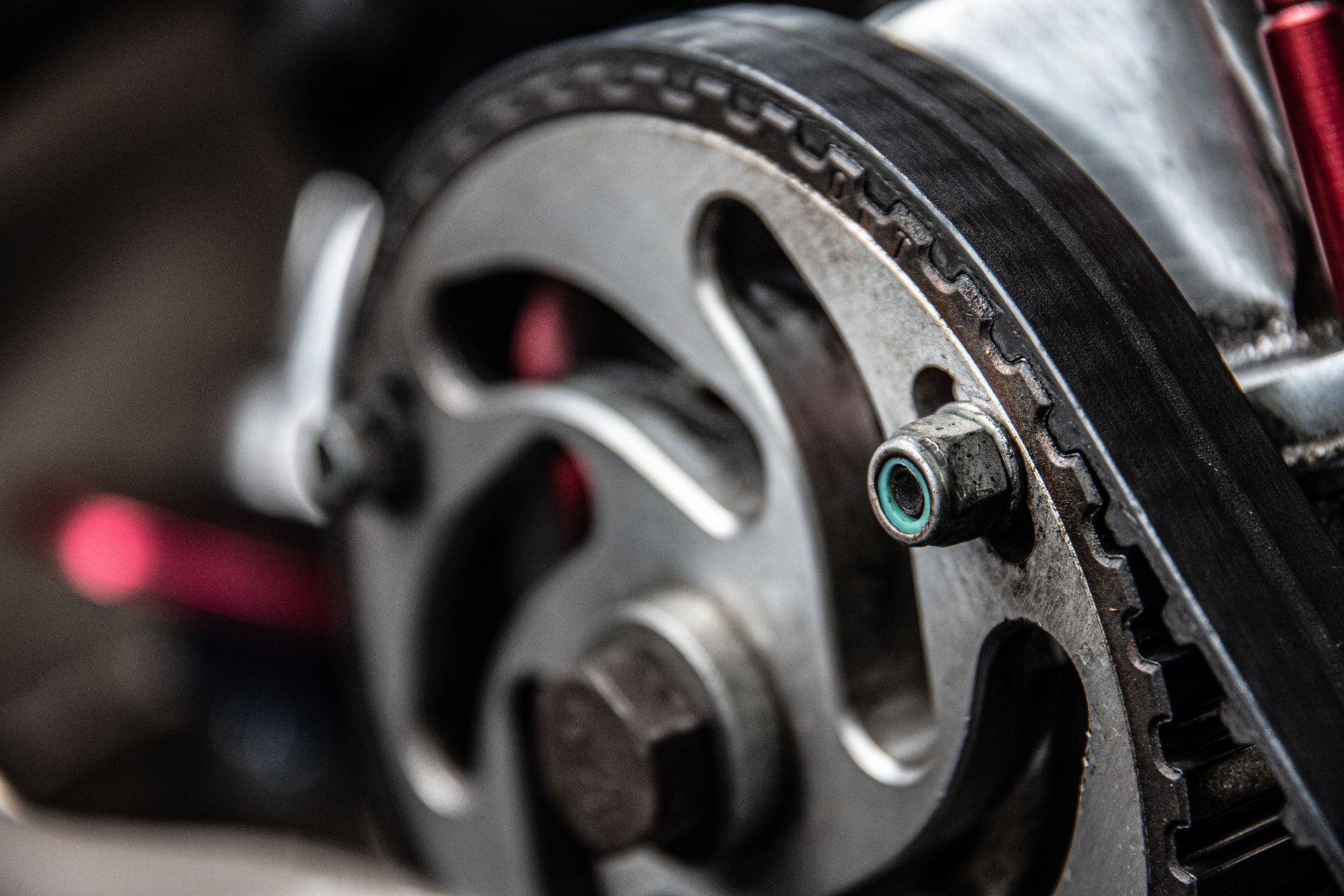
More Posts