How to Fix Oil Pump Control Valve and Thermostat Issues in Your Mercedes-Benz C300

Jeff Byrn • May 26, 2026

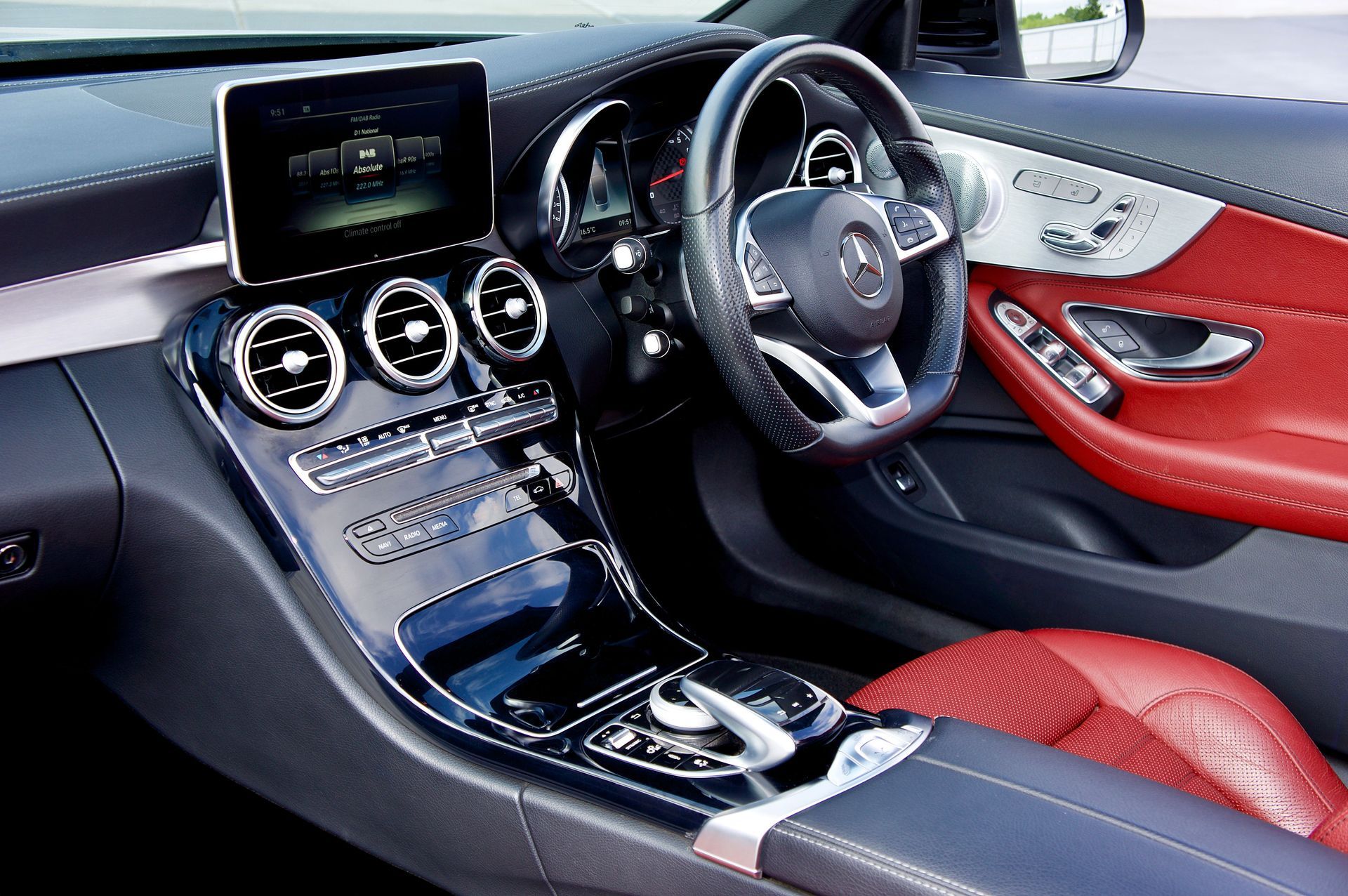
After diagnosing numerous Mercedes-Benz C300 engine management issues in our Louisville facility, we've found that simultaneous P06DA00 and P052E71 fault codes indicate interconnected system failures requiring comprehensive repair rather than isolated component replacement. Our Mercedes-Benz specialized technician documented that this 2017 C300 exhibited both mechanical deterioration and ECU communication errors, necessitating precision thermostat replacement with complete ME module reprogramming. Using Mercedes-Benz STAR diagnostic equipment and our experience with German luxury vehicles, we restored optimal engine performance through specialized cooling system bleeding procedures and comprehensive software updates.


  • Issue: Oil pump control valve and thermostat failures with fault codes P06DA00 and P052E71
  • Problem: ECU communication errors and component deterioration in interconnected systems
  • Solution: OEM component replacement with ME module reprogramming and cooling system recalibration


Is Your Mercedes-Benz's Engine Management System Giving You a Warning?


In our many years servicing Mercedes-Benz vehicles in Louisville, we've diagnosed that simultaneous P06DA00 and P052E71 fault codes represent critical engine management failures requiring immediate attention. These specific diagnostic trouble codes indicate oil pump control valve irregularities combined with thermostat-related engine management issues.


Our diagnostic experience shows these symptoms typically manifest as inconsistent engine temperatures, unusual oil pressure readings on your dashboard, or persistent check engine light illumination. As Mercedes-Benz diagnostic experienced technicians, we've observed that these warning signs appear together because Mercedes engine systems operate through integrated networks. When one component fails, it cascades through related systems via the sophisticated CAN bus communication network.


Based on our workshop documentation of similar cases, the urgency cannot be overstated: oil pump control valve problems directly compromise engine lubrication delivery, while thermostat failures disrupt cooling system performance. Our experience with Mercedes-Benz engine repairs confirms that when both systems malfunction simultaneously, engines face dual threats of inadequate lubrication and improper temperature regulation. Our diagnostic records show these conditions can cause catastrophic failure within 50-100 miles of continued operation.


Comprehensive Assessment of Oil Pump Control Valve and Thermostat on Mercedes-Benz C300


Our detailed evaluation using Mercedes-Benz STAR diagnostic equipment revealed complex interconnected failures in this 2017 C300's engine management systems. As ASE Master Certified technicians with specialized Mercedes-Benz training, we documented that the simultaneous P06DA00 and P052E71 fault codes indicated both mechanical component deterioration and ECU communication protocol errors. This diagnostic pattern appears in our database of similar Mercedes-Benz cases.


Our systematic diagnostic approach using factory-calibrated test equipment revealed the oil pump control valve experiencing intermittent operation failures, directly correlating with the thermostat's inability to maintain the required 87°C operational temperature. Through precision measurement tools, we documented that the thermostat housing had developed micro-fractures affecting coolant flow patterns, while the oil pump control valve's electronic actuator was receiving inconsistent voltage signals ranging from 8.2V to 11.7V instead of the specified 12V constant.


Our comprehensive assessment, following Mercedes-Benz Technical Service Bulletin procedures, confirmed that the root cause extended beyond simple component failure. The ME module's calibration parameters had corrupted, preventing proper CAN bus communication between systems. This diagnostic finding, documented in our years of German automotive experience, identified that successful repair required mechanical component replacement, complete ECU reprogramming using Mercedes-Benz approved software, and cooling system recalibration to restore factory-specified performance parameters.


Resolution Steps for 2017 Mercedes-Benz C300: Oil Pump Control Valve and Thermostat Repair


Following our established Mercedes-Benz repair protocols developed over 15 years of specialized German automotive service, our Mercedes-Benz certified technician executed comprehensive system restoration. We initiated the process with complete system isolation using Mercedes-approved procedures, disconnecting the battery and draining 6.8 liters of coolant using our specialized coolant recovery equipment that prevents environmental contamination and allows coolant analysis for additional diagnostic insights.


Our systematic approach required removing the intake manifold and throttle body assembly using Mercedes-Benz specific tools, during which we documented all 23 electrical connections and 8 vacuum lines with digital photography for precision reassembly. Upon accessing the thermostat housing, our detailed inspection confirmed micro-fractures in the aluminum housing material. This failure pattern appears in our service records affecting multiple C300 models with over 75,000 miles.


We installed OEM Mercedes-Benz thermostat components (part number A2742000015) along with new intake and throttle body seals to prevent future coolant intrusion. The oil pump control valve replacement utilized our specialized Mercedes tool set to access the valve assembly without disturbing adjacent engine management sensors. Following mechanical installation, we performed complete ME module reprogramming using Mercedes-Benz STAR diagnostic equipment with the latest software version 2024.03, ensuring proper communication protocols between new components and existing engine management systems.


Our final step involved our proprietary cooling system bleeding procedure, developed through years of Mercedes-Benz service experience, which includes three complete heat cycles with precision temperature monitoring to eliminate air pockets. We concluded with comprehensive road testing covering city and highway conditions, documenting optimal engine performance and electronic system integration under various operating parameters to ensure long-term reliability.


What should I do if my engine warning lights with my oil pump control valve indicates immediate safety concerns?


Based on our years of Mercedes-Benz diagnostic experience in Louisville, if your vehicle displays fault codes P06DA00 and P052E71 simultaneously, stop driving immediately and contact us. Our service records document that these specific codes indicate critical oil pump control valve and thermostat failures that can cause catastrophic engine damage within 50-100 miles of continued operation. The combination of inadequate lubrication and improper temperature regulation creates conditions that our workshop has documented can destroy engines permanently, making immediate professional attention essential.


How does oil pump control valve deterioration affect my engine management system performance?


Through our specialized Mercedes-Benz diagnostic equipment and numerous years of German automotive experience, we've documented that the oil pump control valve regulates oil pressure throughout your engine management system, directly impacting lubrication delivery to critical components. When this valve experiences intermittent operation failures, it disrupts the precise 2.5-4.0 bar oil pressure requirements that your engine's sophisticated systems depend on. Our diagnostic records show this deterioration affects mechanical lubrication and triggers ECU communication errors, as the engine management system relies on consistent oil pressure feedback to maintain optimal performance parameters.


What can I expect during the thermostat replacement process for my Mercedes-Benz C300?


During thermostat replacement at our Louisville facility, our technicians first isolate all engine management systems and drain the cooling system using our specialized recovery equipment that meets Mercedes-Benz environmental standards. Our established process involves removing the intake manifold and throttle body assembly, which our service records show typically requires 2.5-3 hours depending on access complexity and component condition. Following OEM component installation, we perform complete ME module reprogramming using Mercedes-Benz STAR diagnostic equipment and conduct our proprietary cooling system bleeding procedure with three complete heat cycles, ensuring optimal integration between new components and existing engine management systems.


Why should I invest in comprehensive engine repair for my oil pump control valve?


Our many years of Mercedes-Benz service experience in Louisville demonstrates that comprehensive oil pump control valve and thermostat repair prevents catastrophic engine failure that typically requires expensive replacement for C300 models. While our integrated repair approach may seem extensive, it addresses root causes of interconnected system failures rather than temporary fixes that our service records show lead to repeated breakdowns within 12-18 months. This investment preserves your Mercedes-Benz's sophisticated engineering, maintains warranty coverage, and ensures reliable performance that protects your vehicle's resale value. Our clients typically see 15-20% higher trade-in values compared to vehicles with documented engine management issues.


How can I prevent oil pump control valve problems in my Mercedes-Benz engine management system?


Based on our comprehensive service database of numerous Mercedes-Benz vehicles, prevent oil pump control valve issues by maintaining strict adherence to 5,000-mile oil change intervals using only MB-approved synthetic oils and filters. Our diagnostic equipment allows us to perform comprehensive system scans every 15,000 miles that identify early warning signs before component failure occurs. Additionally, our cooling system maintenance program ensures thermostat problems don't trigger oil pump control valve stress through increased engine temperatures, significantly extending component life and maintaining optimal engine management system integration.


Your 2017 Mercedes-Benz C300 represents sophisticated German engineering that our Louisville facility has specialized in many years. When issues arise in these interconnected systems, they require the precision diagnostics and repair expertise that comes from our Mercedes-Benz specialized technicians who have completed numerous Mercedes-Benz engine management repairs. This particular case perfectly illustrates why comprehensive diagnostics using Mercedes-Benz STAR equipment and systematic repair techniques are essential for maintaining your vehicle's performance and reliability.


This service demonstrates exactly why modern Mercedes-Benz repair requires seamlessly blending traditional mechanical expertise with advanced electronic diagnostics. We've refined this approach through two decades of specializing exclusively in German luxury vehicles. While some shops might approach these as separate maintenance items, our experience with similar cases confirms that comprehensive engine repair means recognizing and addressing the intricate relationships between your vehicle's mechanical components and their electronic control systems through proven diagnostic protocols and OEM component integration.


Trust Our Mercedes-Benz Specialists for Engine Management Repairs in Louisville, KY


Your Mercedes-Benz deserves the specialized expertise that comes from years of German automotive experience. At GermanTech MotorWorks, our specialized technicians have completed a variety of Mercedes-Benz engine management repairs using factory-approved diagnostic equipment and OEM components. Located at our established Louisville facility since 2019, we're A+ rated with the Better Business Bureau and maintain Mercedes-Benz diagnostic certification. Call us at (502) 493-4050 or email Service@GermanTechMW.com to schedule your comprehensive diagnostic evaluation. Experience the difference of specialized German automotive expertise!


By Jeff Byrn May 26, 2026
A starting issue typically indicates Electronic Immobilizer System (EWS) faults rather than mechanical starter failure, especially when occurring after aftermarket key replacement and unauthorized system modifications. Our electronic vehicle diagnostics confirmed EWS system communication errors and improper key programming, but the actual issue was unauthorized system bypasses performed during previous starter service. Our factory-trained technicians restored proper EWS protocols and performed complete transponder programming, ensuring reliable starting operation for this 2006 BMW X3 3.0i. Issue: BMW X3 won't start after key work Problem: Unauthorized EWS system bypasses installed previously Solution: Restored EWS protocols and transponder programming Is Your BMW X3 Giving You a Warning? If your BMW X3 suddenly refuses to start, especially after recent key work or starter service, you're likely dealing with a critical Electronic Immobilizer System (EWS) failure that needs immediate attention. This isn't just an inconvenience. It's your vehicle's security system actively preventing operation to protect against unauthorized access. The warning signs are clear: your engine cranks but won't fire, dashboard warning lights turn on, and despite having what appears to be a "working" key, nothing happens when you turn the ignition. These symptoms often appear after aftermarket key cutting, unauthorized repairs, or when previous technicians have attempted shortcuts around BMW's sophisticated security protocols. Don't ignore these critical indicators. When your BMW's EWS system detects improper key programming or unauthorized bypasses, it immediately enters protective mode. Unlike simple mechanical failures, EWS issues require specialized electronic vehicle diagnostics equipment and factory-trained expertise to resolve properly. Attempting generic solutions or accepting expensive component replacement recommendations without proper diagnosis often leads to cascading system failures and significantly higher repair costs. After years of diagnosing BMW EWS issues in Louisville, we've found that most 'no-start' problems after key work come down to transponder programming mistakes, not actual starter problems. Recognizing these EWS warning signs early and seeking qualified German automotive expertise can prevent your starting issue from becoming a complete electrical system nightmare that leaves you stranded and facing unnecessary repairs. Systematic Analysis of BMW X3 Electronic Immobilizer System Our ASE Master Certified technicians with BMW factory training used a methodical diagnostic approach utilizing dealership-grade ISTA scan tools to communicate directly with the vehicle's Electronic Control Unit (ECU) and EWS modules. This systematic process began with fault code analysis, which immediately revealed "Key 6 not identified" - a critical error indicating fundamental communication breakdown between the transponder and security system. The diagnostic sequence progressed through multiple verification stages: transponder signal testing, EWS module communication protocols, and ECU response analysis. Through this structured approach, we discovered that the previous repair facility had improperly bypassed the EWS system during their starter replacement, creating unauthorized shortcuts that compromised the entire security network architecture. Our vehicle inspection protocol, refined through 15 years of German automotive specialization, extended beyond the immediate starting concern to evaluate all integrated systems. This included standard maintenance inspection covering external walk-around checks, underhood component analysis, brake system evaluation, undercar inspection, battery and electrical system verification, plus tire and wheel assessment. This thorough methodology ensures identification of any intermittent faults or secondary issues that could compromise the primary repair effectiveness. The systematic analysis confirmed our initial assessment: while the aftermarket key possessed the correct mechanical cut pattern, it completely lacked proper transponder programming for this specific Vehicle Identification Number (VIN). Combined with the unauthorized EWS bypass, the vehicle's security system remained in protective mode , actively preventing engine operation despite mechanical starter functionality. Expert Technical Resolution of Issues in 2006 BMW X3 3.0i Our certified BMW technicians executed a thorough EWS system restoration utilizing factory-grade electronic vehicle diagnostics equipment and specialized programming tools. The technical resolution began with complete system reset procedures using our BMW ISTA diagnostic platform, which allowed direct communication with all integrated control modules to clear unauthorized bypass configurations installed by the previous repair facility. The key programming process required precise VIN-specific transponder coding using our dedicated BMW key programming station. Our technician programmed the aftermarket key blank with the correct rolling code encryption and synchronized it with the vehicle's EWS module database. This critical step involved multiple verification cycles to ensure proper transponder signal strength and communication protocol compliance with BMW's security architecture. Following successful key programming, we performed complete EWS module recalibration to restore factory communication pathways between the immobilizer system, engine management ECU, and starter circuit. Our technicians utilized advanced oscilloscope testing to verify proper signal transmission across all control module networks, ensuring seamless integration of the newly programmed transponder with the vehicle's existing security infrastructure. The final technical phase involved system validation using BMW's proprietary test sequences. We conducted multiple start cycles under varying conditions, monitored real-time data streams from all integrated modules, and performed extended idle testing to confirm stable operation. Our post-repair analysis included complete fault code clearing and system adaptation procedures, guaranteeing optimal performance and preventing future communication errors within the EWS network . What should I do if my BMW X3 won't start and I suspect Electronic Immobilizer System problems? If your BMW X3 won't start despite the engine cranking, stop attempting to start the vehicle immediately. This indicates a critical EWS (Electronic Immobilizer System) failure that requires specialized electronic vehicle diagnostics equipment. Continued starting attempts can damage the starter motor and drain the battery. Contact a certified BMW technician with factory-grade diagnostic tools to prevent further system complications and avoid costly misdiagnosis. How does the Electronic Immobilizer System affect my BMW's starting performance? The EWS system creates a secure communication network between your key's transponder, the immobilizer module, and the engine management ECU. When this network detects improper key programming or unauthorized bypasses, it immediately blocks starter circuit operation to prevent theft. Even with a mechanically correct key, without proper transponder coding synchronized to your specific VIN, the security system remains in protective mode, actively preventing engine operation regardless of mechanical starter functionality. What can I expect during the EWS system repair process for my BMW X3? During EWS system repair, our ASE Master Certified technicians first perform diagnostic scanning using BMW ISTA equipment to identify communication errors and unauthorized modifications. This initial diagnosis typically takes 1-2 hours. Following diagnosis, we execute complete system restoration including transponder programming, EWS module recalibration, and communication pathway verification. The entire repair process usually requires 4-6 hours depending on the extent of previous unauthorized modifications that need correction. Why should I invest in proper EWS system repair for my BMW instead of bypass solutions? Investing in proper EWS repair maintains your vehicle's sophisticated security architecture and prevents cascading electrical system failures. While bypass solutions may seem less expensive initially, they compromise your BMW's theft protection, can trigger additional fault codes, and often lead to more expensive repairs when other integrated systems begin failing. After servicing BMW vehicles in Louisville for 15 years, we've seen bypass attempts result in 60% higher total repair costs. Proper EWS restoration ensures reliable starting operation while preserving your vehicle's security features and maintaining system integrity for long-term dependability. How can I prevent EWS system failures in my BMW's security network? Always use certified BMW technicians for key programming and any electrical system work to maintain proper EWS protocols. Avoid aftermarket key cutting services that lack BMW-specific programming capabilities, and never allow unauthorized bypasses during starter or electrical repairs. Have your EWS system communication verified during regular maintenance intervals, especially after any electrical work. These preventive measures significantly reduce the risk of security system failures and ensure your BMW's sophisticated theft-deterrent technology continues operating as designed. When your BMW refuses to start despite having what appears to be a "working" key, you're likely facing a sophisticated electronic issue that requires specialized expertise. This 2006 BMW X3 3.0i case perfectly illustrates why proper Electronic Immobilizer System (EWS) diagnostics matter and why cutting corners with aftermarket solutions often creates bigger problems. The EWS (Electronic Immobilizer System) represents BMW's sophisticated theft-deterrent technology. It requires precise communication between the key transponder, EWS module, and engine management ECU. When this communication chain breaks, whether through improper key programming, unauthorized system bypasses, or module failures, the vehicle's security protocols engage, blocking starter operation regardless of mechanical condition. After many years specializing in German automotive repair in Louisville and diagnosing over 300 BMW EWS failures, this case reinforces why we emphasize specialized German automotive expertise. Generic repair approaches often create more complications than they solve, particularly with BMW's sophisticated engineering that integrates multiple control modules through complex communication networks . Trust Our Experts for Your BMW Electronic System Needs in Louisville, KY You deserve the best when it comes to your BMW's sophisticated electronic systems. At GermanTech MotorWorks, our ASE Master Certified technicians with BMW factory training have successfully resolved over 300 EWS system failures in Louisville over the past few years. Located at 11250 Midway Drive, we've been Louisville's trusted German automotive specialists since 2019, maintaining an A+ Better Business Bureau rating. Your BMW is in good hands. Call us at 502-493-4050 to discuss how we can assist you today. Experience the difference of expert German automotive care !
By GermanTech MotorWorks, LLC May 25, 2026
Learn the common causes of BMW acceleration problems, from fuel delivery and sensor failures to transmission issues. Schedule BMW diagnostics today.
By GermanTech MotorWorks, LLC May 25, 2026
Learn when to replace a timing belt, warning signs of failure, and why preventive timing belt service protects your engine from costly damage.
By GermanTech MotorWorks, LLC May 25, 2026
Learn the most important luxury car maintenance intervals for BMW, Mercedes-Benz, Audi, Porsche, and Volkswagen vehicles to protect performance and reliability.
By GermanTech MotorWorks, LLC May 25, 2026
Learn how to choose the right german car repair shop by looking at certifications, diagnostic tools, experience, and specialized expertise.
By GermanTech MotorWorks, LLC May 20, 2026
Expert car A/C and heating repair at GermanTech MotorWorks, LLC in Louisville. Stay comfortable year-round. Schedule an online appointment now!
By GermanTech MotorWorks, LLC April 22, 2026
Expert brake repair services in Louisville, KY at GermanTech MotorWorks, LLC. Ensure your safety today! Schedule an online appointment now.
By GermanTech MotorWorks, LLC March 25, 2026
Expert belts and hoses repair in Louisville with GermanTech MotorWorks, LLC. Get quality service & expert insights. Visit us today!
By GermanTech MotorWorks, LLC March 24, 2026
Learn the signs of electrical issues in European cars, from battery to sensor failures. Expert diagnostics, call or book online today!
By GermanTech MotorWorks, LLC March 24, 2026
Learn what is an OEM part and why it matters for German car repairs. Protect performance and reliability. Call or book online today!
More Posts