Why does my Audi S5 idle rough and throw a check engine light?
A rough idle with a check engine light typically indicates ignition system problems rather than major engine failure, particularly when the vehicle drives normally at highway speeds. After examining numerous German performance vehicles in our Louisville facility, we discovered a P0301 cylinder 1 misfire code in this 2019 Audi S5. The actual issue turned out to be worn rocker arms and a faulty fuel injector, which we found through valve cover inspection. Our ASE-certified technician replaced all affected valvetrain components and performed proper cooling system bleeding. This restored smooth idle performance and eliminated the check engine light within our standard 2-day service window.
- Issue: Rough idle with check engine light on
- Problem: Worn rocker arms and faulty injector
- Solution: Replaced valvetrain components and fuel injector
- Location: GermanTech MotorWorks, Louisville, KY
Is Your Audi's Engine Giving You a Warning?
When your check engine light turns on and your vehicle develops a rough idle, these are immediate warning signs that need attention. After servicing multitudes of various Audi vehicles with similar symptoms, we've found this combination often means ignition system problems, fuel delivery issues, or internal engine wear that's disrupting normal combustion. While your Audi may still drive normally at highway speeds, the rough idle you're experiencing at stops and during warm-up is your engine's way of telling you something is wrong.
Don't ignore these warning signs. The check engine light isn't just a suggestion. It's your vehicle's computer alerting you to a detected problem that could get worse without proper diagnosis. In our Louisville workshop, we've documented that a rough idle with the CEL often points to cylinder misfires, which can damage your expensive catalytic converter if left unaddressed. The longer you drive with these symptoms, the more expensive the eventual auto repair services may become.
If you're noticing unusual engine sounds, particularly clacking or ticking noises from under the hood during idle, this adds another layer of urgency to the situation. These sounds often indicate internal valvetrain problems that require immediate professional attention to prevent catastrophic engine damage.
Technical Investigation of Valvetrain Systems for Audi S5
Our diagnostic approach began with systematic electronic vehicle diagnostics, using our scan tool to retrieve stored diagnostic trouble codes. The P0301 fault code confirmed a cylinder 1 misfire condition, which required methodical investigation to determine whether the root cause came from ignition system components, fuel delivery mechanisms, or internal mechanical wear within the engine assembly.
Following our established 12-point diagnostic protocol developed over years of German vehicle specialization, our technician performed component isolation testing by swapping ignition coils and spark plugs between cylinders. When these primary ignition components tested within specifications, we conducted compression testing on cylinder 1, which revealed 150 psi. This indicated proper piston ring and valve sealing under static conditions. However, the persistence of the misfire code despite healthy compression readings directed our investigation toward dynamic valvetrain operation.
Advanced Diagnostic Findings
The diagnostic breakthrough occurred when our technician identified distinctive mechanical noise coming from the valve cover area directly above cylinder 1. This sound evidence, combined with the electronic fault data, required direct visual inspection of the valvetrain components. In turbocharged German performance engines like the 3.0T V6 powering the S5, valvetrain precision is critical for maintaining proper combustion timing and cylinder sealing.
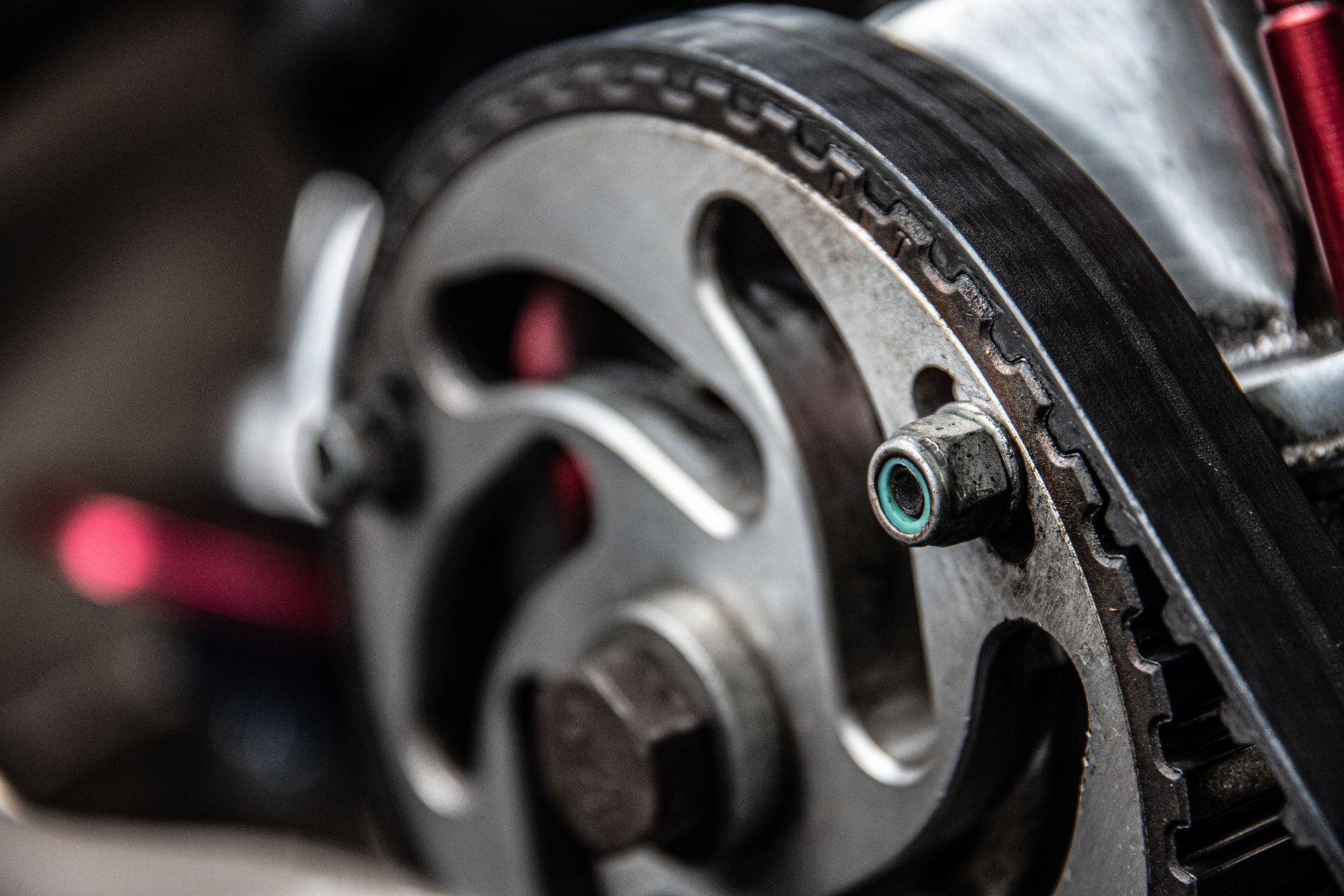
Valve cover removal revealed the underlying mechanical issues: excessive wear on the rocker arms affecting bank 1, measuring 0.008" beyond Audi specifications, and a damaged cam follower (lifter) specifically on cylinder 1's exhaust valve side. The worn rocker arms had developed sufficient clearance to disrupt proper valve timing and sealing characteristics. Additionally, our fuel system diagnostic testing confirmed that the cylinder 1 fuel injector exhibited irregular spray patterns and 15% reduced flow characteristics compared to OEM specifications, contributing to incomplete combustion that made the misfire condition worse.
This combination of valvetrain wear and fuel delivery degradation explained why the misfire symptoms appeared most prominently at idle, where engine tolerances are most critical and any deviation from optimal operation becomes immediately apparent through rough running conditions and combustion irregularities.
Resolution Steps for 2019 Audi S5: Valvetrain and Fuel System Repair
To resolve the cylinder 1 misfire and rough idle condition in this 2019 Audi S5, our Audi specialized technician followed our comprehensive engine repair methodology that addressed both the mechanical valvetrain wear and fuel delivery issues. We began by carefully removing the valve cover using our factory-grade Audi toolset, taking care to protect surrounding engine components and maintain proper torque specifications throughout the disassembly process.
The repair process required replacing all 12 rocker arms on bank 1 rather than just the visibly worn components. This critical decision was based on our experience with similar Audi 3.0T repairs that ensures uniform valvetrain operation and prevents premature failure of mixed old and new parts. We simultaneously replaced the damaged exhaust cam follower on cylinder 1 and installed a new OEM Bosch fuel injector to restore proper fuel delivery characteristics. All gaskets, seals, and O-rings were replaced during reassembly to maintain engine oil pressure and prevent future leaks.
Following component installation, our technician performed vacuum bleeding of the cooling system using our vacuum bleeding equipment to eliminate air pockets that could cause overheating or erratic temperature readings. We then cleared all stored diagnostic trouble codes and conducted extensive road testing under various operating conditions to verify that cylinder 1 now fired consistently and the rough idle condition was completely eliminated. The final quality verification included monitoring live engine data to confirm proper fuel trim values and ignition timing across all cylinders, with all parameters returning to within Audi specifications.
What should I do if my check engine light with rough idle indicates potential engine damage?
If your Audi is experiencing rough idle with an illuminated check engine light, stop driving immediately and have it diagnosed professionally. Based on our experience with dozens of similar cases in Louisville, this combination often indicates cylinder misfires that can damage your expensive catalytic converter if ignored. While your vehicle may still operate at highway speeds, continued driving with these symptoms can transform a moderate repair into extensive additional damage. Schedule diagnostic testing as soon as possible to prevent escalation.
How does valvetrain wear affect my engine's combustion performance?
Valvetrain components like rocker arms and cam followers control precise valve timing and sealing that's critical for proper combustion. When these parts wear beyond specification, they disrupt the exact timing your engine needs to fire efficiently. In our Louisville facility, we've documented that worn rocker arms create excessive clearance that prevents valves from opening and closing at optimal intervals, leading to incomplete combustion, misfires, and rough idle conditions. In high-performance engines like the Audi 3.0T, even minor valvetrain wear can cause noticeable performance degradation.
What can I expect during the diagnostic process for my cylinder misfire?
During cylinder misfire diagnosis at our Louisville facility, we begin with electronic vehicle diagnostics using our professional-grade scan tools to retrieve fault codes, which typically takes 15-20 minutes. Next, we perform component isolation testing by swapping ignition parts between cylinders to rule out simple causes. This adds another 30-45 minutes. If basic components test properly, we conduct compression testing and may need to remove the valve cover for direct valvetrain inspection. The complete diagnostic process can take 2-4 hours depending on the complexity, but this thorough approach ensures we identify the actual problem rather than replacing parts unnecessarily.
Why should I invest in comprehensive valvetrain repair for my performance engine?
Investing in complete valvetrain repair when wear is detected prevents cascade failures that are more expensive later. When we find worn rocker arms on one cylinder, our experience with Audi repairs shows that replacing all rocker arms on that bank ensures uniform operation and prevents the remaining worn components from failing shortly after repair. While this approach requires higher initial investment, it eliminates the need for repeated repairs and protects your engine's precision tolerances. German performance engines are engineered for specific clearances, and partial repairs often lead to premature failure of the remaining worn components.
How can I prevent premature valvetrain wear in my German performance vehicle?
Prevent valvetrain wear by maintaining strict oil change intervals using manufacturer-specified oil grades, typically every 5,000 miles for performance applications based on our service recommendations for Louisville driving conditions. Monitor oil consumption and address any leaks immediately, as inadequate lubrication accelerates component wear. Avoid extended high-RPM operation when the engine is cold, and have your vehicle serviced by technicians familiar with German engineering tolerances. Regular valve cover gasket replacement prevents oil leaks that can contaminate and damage valvetrain components over time.
What This Means for German Performance Vehicle Owners
This case demonstrates the value of thorough electronic vehicle diagnostics combined with hands-on mechanical inspection by technicians with specialized German automotive training. While initial scans and component swaps can identify the affected cylinder, only methodical investigation by experienced professionals reveals whether the issue stems from ignition problems, fuel system concerns, or internal mechanical wear.
For Audi owners and enthusiasts of German performance vehicles in the Louisville area, this service story underscores an important reality: high-performance engines demand precision maintenance. The sophisticated engineering that delivers exceptional power and efficiency also means component wear can have cascading effects. Regular maintenance intervals, quality replacement parts, and diagnostic expertise aren't luxuries. They're necessities for maintaining these vehicles' intended performance and longevity. When your check engine light illuminates or you notice changes in idle quality, partnering with experienced auto repair services that specialize in German automotive systems can mean the difference between a targeted engine repair and unnecessary parts replacement.
Facing Issues? Let Us Help You with Our Engine Diagnostics in Louisville, KY
If your vehicle is underperforming, you might feel overwhelmed, but GermanTech MotorWorks is here to help! Our ASE-certified team specializes in electronic vehicle diagnostics in Louisville, KY, with many years of serving German performance vehicles in the metro area. We're committed to diagnosing and resolving your vehicle issues effectively using professional-grade diagnostic equipment and proven repair methodologies. Call us at 502-493-4050 to discuss your vehicle concerns and find the right solution today.