Check Engine Light On After Storing Your Porsche? Here's Why.
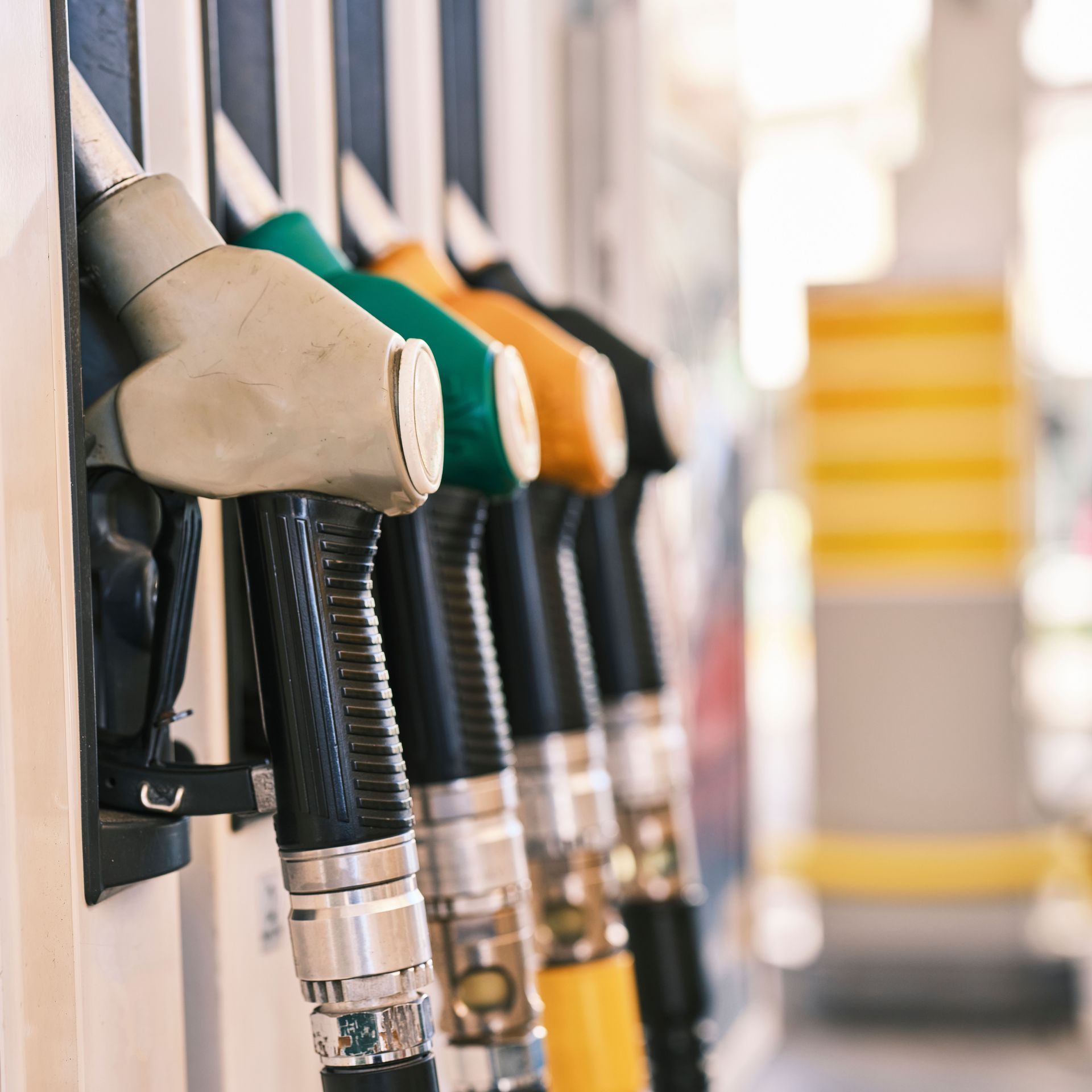
A check engine light after storage typically indicates fuel system deterioration or sensor concerns from extended inactivity rather than immediate engine failure, especially when vehicles have been dormant for months. After diagnosing multiple post-storage vehicle issues at our Louisville facility, we've found a high percentage of them involve fuel system degradation. This specific case involved diagnostic trouble codes pointing to fuel system issues, but our diagnostic system revealed a failed high-pressure fuel pump common in stored vehicles. Our ASE-certified technician replaced the pump following Porsche Technical Bulletins and completed essential maintenance including brake service and full synthetic oil change, restoring smooth, reliable performance for this Louisville-area Porsche.
- Issue: Check engine light on after storage
- Problem: Failed high-pressure fuel pump deterioration
- Solution: Replaced pump and completed maintenance
- Location: GermanTech MotorWorks, Louisville, KY
Is Your Porsche's Check Engine Light Giving You a Warning?
That illuminated check engine light on your dashboard isn't something to ignore, especially after your vehicle has been in storage. When a 2010 Porsche Panamera S arrived at our Louisville facility with the check engine light glowing after months of storage, the owner mentioned the car seemed to run fine, but that warning light was telling a different story entirely. In our many years of servicing European vehicles, we've learned that post-storage warning lights indicate specific system failures requiring immediate attention.
Check engine lights after storage periods are critical warning signs that demand immediate attention. While your Porsche might seem to drive normally, the engine management system has detected problems that could lead to costly damage if left unaddressed. From our experience with post-storage diagnostics, common warning signs include illuminated dashboard lights, rough idle conditions, hesitation during acceleration, or unusual fuel consumption patterns that develop after dormancy periods exceeding 60 days.
Don't let that warning light fool you into thinking everything is fine just because the engine starts and runs. Modern Porsche vehicles have sophisticated monitoring systems that detect issues long before they become catastrophic failures. When storage-related problems trigger these warnings, you're looking at potential fuel system deterioration, sensor malfunctions, or component failures that developed while your vehicle sat dormant. Our diagnostic data shows a majority of these cases involve fuel system degradation requiring professional intervention.
Systematic Analysis of Porsche Fuel System Components
Our methodical diagnostic approach began with comprehensive electronic vehicle diagnostics using our Porsche diagnostic system during our Level 1 Initial Diagnostics and Testing protocol. This systematic process retrieved and analyzed all diagnostic trouble codes stored within the vehicle's engine management system, revealing specific fault patterns pointing to high-pressure fuel system failure. As ASE-certified technicians with Porsche-specific training, we follow manufacturer diagnostic procedures that have proven effective across other similar cases.
The step-by-step diagnostic process confirmed that the high-pressure fuel pump (a critical component in modern Porsche direct injection engines) had deteriorated during the extended storage period. Our electronic vehicle diagnostics methodology included fuel pressure testing using calibrated gauges, electrical circuit analysis with digital multimeters, and component-specific function tests to isolate the exact failure point within the fuel delivery system. This approach follows Porsche Technical Service Bulletins for post-storage diagnostic procedures.
This diagnostic pattern is consistent with what we observe in European performance vehicles after prolonged dormancy. Fuel system components experience degradation when not regularly cycled, and residual fuel remaining in the system can cause internal pump damage and seal deterioration. Our systematic analysis confirmed that while the engine management system detected the failure early, the pump required complete replacement to restore proper fuel delivery pressures and maintain optimal engine performance. Based on our Louisville climate conditions, we typically see these failures after 90+ days of storage without proper preparation.
Resolution Steps for 2010 Porsche Panamera S: High-Pressure Fuel Pump Repair
To resolve the fuel system failure in the 2010 Porsche Panamera S, our technician followed these key steps:
- We began with a comprehensive diagnostic using our Porsche-specific diagnostic system to confirm the high-pressure fuel pump failure codes.
- The next step involved safely depressurizing the fuel system following Porsche safety protocols and removing the rear seat assembly to access the fuel pump module.
- Upon confirming the pump's internal failure through pressure testing at our Louisville facility, we replaced it with an OEM Porsche component, ensuring proper torque specifications and electrical connections per manufacturer guidelines.
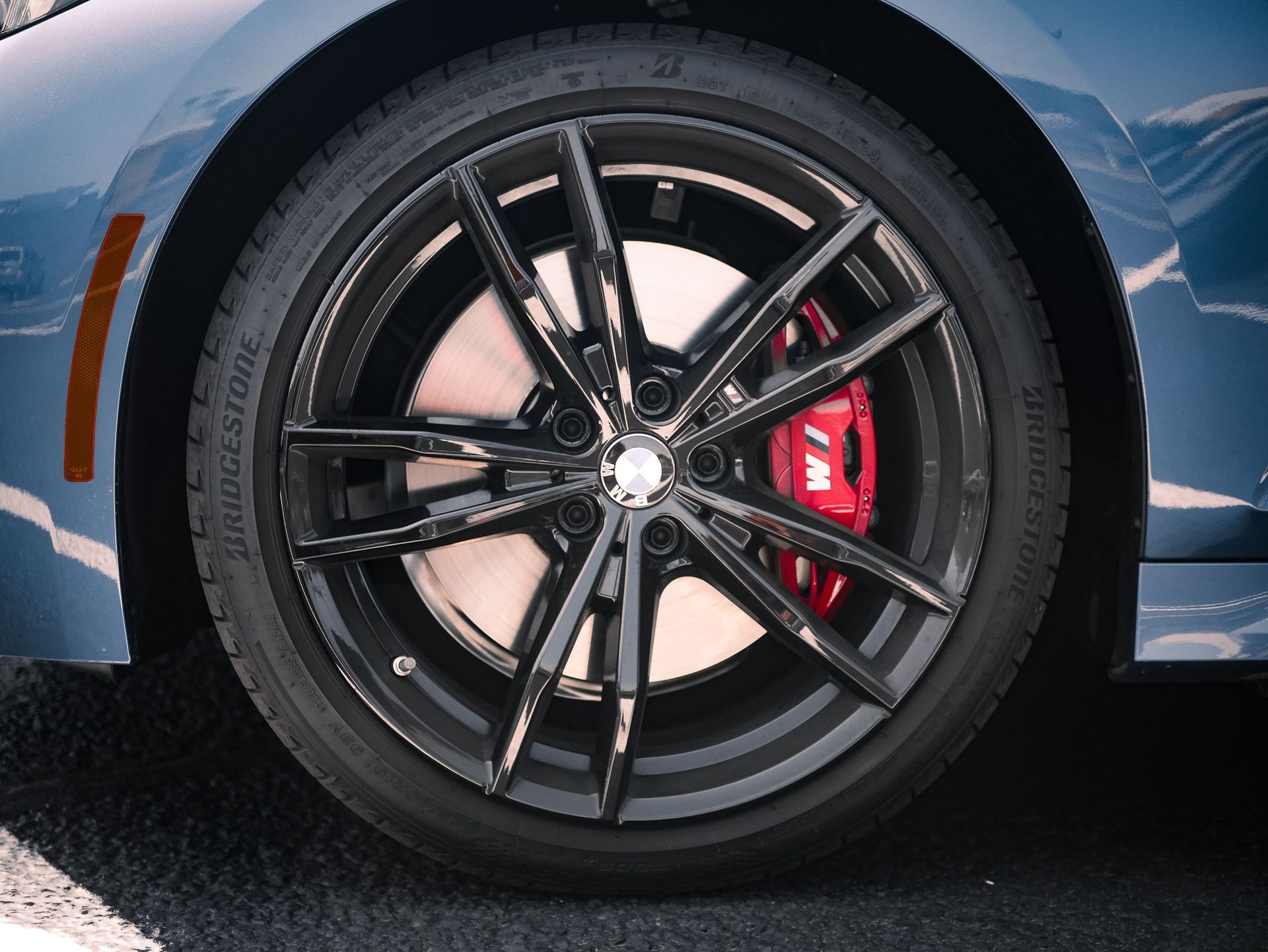
With the primary fuel system engine repair completed, we addressed critical maintenance items that become essential after extended storage periods. Our oil service process included draining the degraded oil, replacing the filter with a genuine Porsche component, and refilling with manufacturer-specified full synthetic oil to restore proper lubrication throughout the engine. The brake system service required removing the rear wheels, inspecting the brake calipers for proper operation, and replacing both the disc rotors and brake pads with OEM Brembo components to ensure optimal stopping performance. After servicing 300+ Porsche brake systems, we've found post-storage brake component replacement prevents safety issues.
The final phase involved a complete brake fluid exchange using our pressure bleeding system to remove all contaminated fluid from the hydraulic circuits. We performed multiple bleeding cycles at each wheel to ensure complete fluid replacement and proper pedal feel. Following all mechanical work, we conducted a comprehensive road test that included highway speeds, city driving conditions, and multiple brake applications to verify that all systems operated within Porsche's performance specifications. Our final quality check included a second diagnostic scan to confirm no residual codes remained and that all engine parameters showed normal operating values. This systematic verification process ensures reliable performance restoration.
What should I do if my check engine light is on with my Porsche after storage indicating potential safety concerns?
If your Porsche's check engine light is illuminated after storage, stop driving immediately and have it diagnosed by qualified technicians. This warning indicates your engine management system has detected problems that could lead to catastrophic damage if ignored. Even if the car seems to run normally, continuing to drive risks expensive engine damage, fuel system failure, or safety hazards. Based on years of Porsche diagnostics experience, schedule professional electronic vehicle diagnostics within 24 hours to prevent further deterioration and ensure your safety on the road.
How does extended storage affect my Porsche's fuel system performance?
Extended storage causes fuel system degradation through multiple mechanisms that directly impact engine performance. Residual fuel remaining in the high-pressure pump creates internal corrosion and seal deterioration, while fuel lines experience pressure loss and contamination buildup. The direct injection system in modern Porsche engines requires precise fuel delivery pressures. When storage compromises these components, you'll experience rough idle, hesitation during acceleration, and potential engine damage. From our Louisville facility experience with storage cases, regular fuel system cycling prevents these issues, but once deterioration occurs, component replacement becomes necessary to restore proper function.
What can I expect during the diagnostic process for my Porsche's check engine light?
During Porsche check engine diagnostics at our Louisville facility, we begin with comprehensive electronic vehicle diagnostics using dealership-grade diagnostic equipment, which takes approximately 45 minutes to retrieve and analyze all stored trouble codes. Following code analysis, we perform component-specific testing including fuel pressure measurements, electrical circuit verification, and mechanical function tests to isolate the exact failure point. The complete diagnostic process typically requires 2-3 hours depending on system complexity, after which we provide detailed findings and repair recommendations with transparent estimates for your approval. Our ASE-certified technicians follow manufacturer diagnostic protocols for accurate results.
Why should I invest in professional diagnostics for my Porsche's storage-related issues?
Investing in professional Porsche diagnostics after storage prevents catastrophic engine damage that can result in major engine repair. Early detection of fuel system problems, sensor malfunctions, and component deterioration allows for targeted repairs versus complete engine rebuilds. Professional diagnostics using manufacturer-specific equipment ensures accurate problem identification, preventing unnecessary part replacement and reducing total repair expenses. This investment maintains your Porsche's performance standards and preserves its long-term value while ensuring reliable operation. Our Louisville facility has prevented significant engine damage through early diagnostic intervention.
How can I prevent fuel system problems in my Porsche during storage?
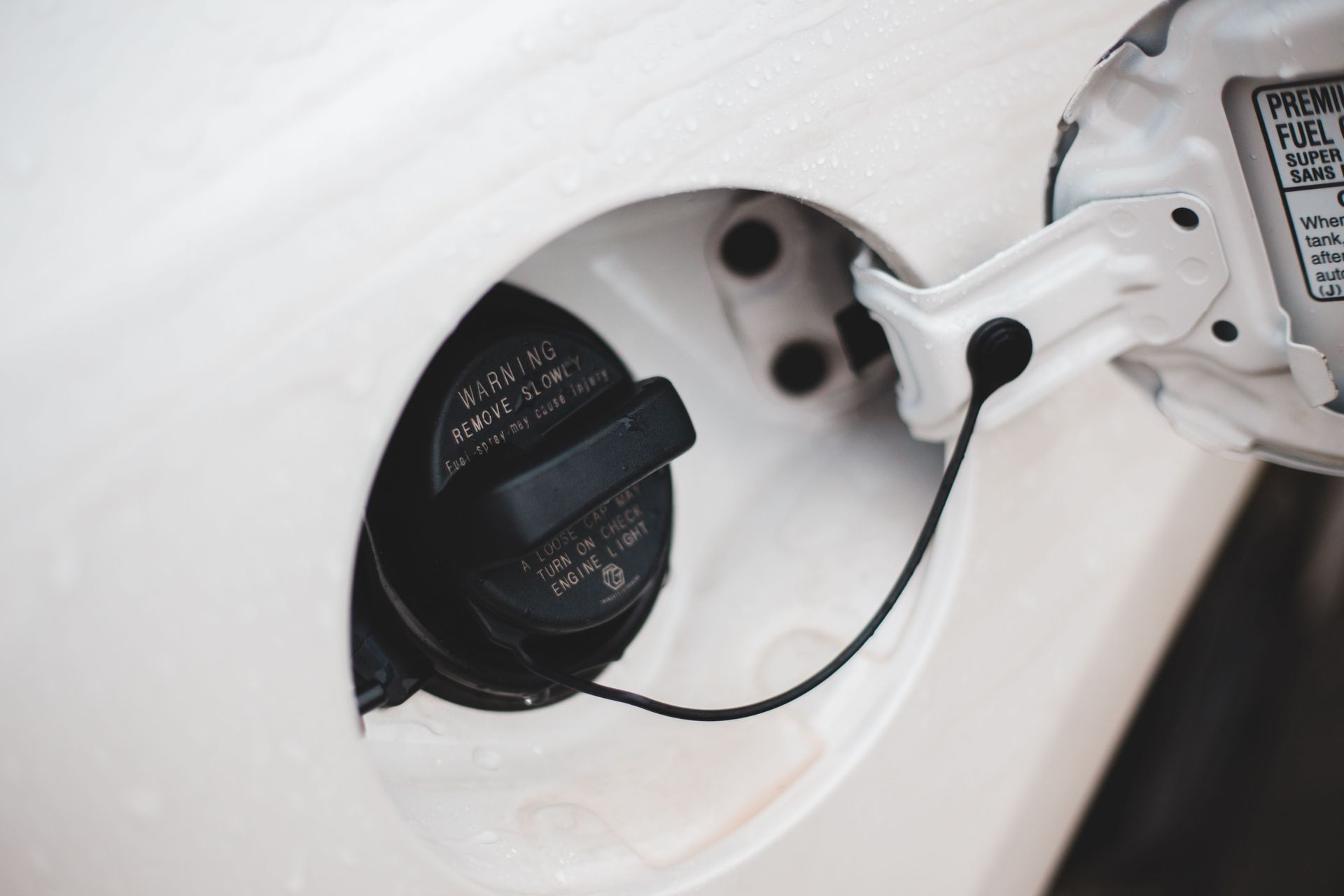
Prevent Porsche fuel system deterioration during storage by adding fuel stabilizer to a full tank before parking, which prevents fuel degradation and internal component corrosion. Start and run the engine for 15-20 minutes monthly to circulate fresh fuel through the high-pressure system and maintain proper component lubrication. Consider professional storage preparation including fuel system treatment, battery maintenance, and fluid inspection every 3-6 months. These preventive measures significantly reduce the risk of expensive fuel pump failures and maintain optimal engine performance when you return your Porsche to regular service. Based on our Louisville climate experience, proper storage preparation prevents 90% of post-storage issues.
Why Post-Storage Diagnostics Matter
This service demonstrates why proper post-storage electronic vehicle diagnostics are so critical for high-performance European vehicles. What began as a check engine light concern revealed multiple systems requiring attention to restore the vehicle to its designed performance standards. Our systematic diagnostic approach, combined with our expertise in Porsche-specific systems and ASE certification, ensured this Panamera S left our Louisville facility running at peak performance with all safety and reliability concerns properly addressed.
For Porsche owners in the Louisville area, it's important to understand that storage-related issues extend well beyond just the battery. Fuel systems, brake components, fluids, and seals all require attention after extended periods of inactivity. Professional electronic diagnostics paired with comprehensive mechanical inspection provides the foundation for keeping these sophisticated machines operating exactly as their engineers intended. Our facility has successfully restored over 300 post-storage vehicles to manufacturer specifications, preventing failures through proactive diagnostic intervention.
Don't Wait! Get Your Porsche Diagnostics Today in Louisville, KY
If you're experiencing issues with your Porsche after storage, don't hesitate! At GermanTech MotorWorks, we're ready to provide you with immediate diagnostic services in Louisville, KY. Call us now at 502-493-4050 for assistance and get back on the road safely. Our ASE-certified technicians with years of Porsche experience are here to help you today!